





Silver is moving back into focus. This is not happening because of hype. It is happening because something is changing in the physical market. In China, buyers are already paying higher prices just to get silver now. Futures prices there show it clearly. Immediate delivery is becoming more valuable than future delivery. That usually means supply is tight.
At the same time, the bigger picture is also shifting. The world is using more silver than before. Solar panels, electric vehicles, and electronics all need it. But the new supply is not growing fast. Stockpiles that once looked comfortable are no longer as large. After years of deficits, the margin for error is smaller. This is why many analysts believe silver may be entering a new phase.
For many years, commodities stayed in the background. Stocks were rising. Real estate was booming. Metals like silver did not get much attention. Most investors got used to this. They believed commodities simply move more slowly.
But this was not always the case. In the past, commodities had long bull cycles. These cycles lasted many years. They were driven by real shortages, not speculation. After 1980, commodities entered a long quiet period. Now, that period may be ending.
We are starting to see early signs of change. Gold has already moved higher. Silver is now following. This is how commodity cycles often begin. First, they are ignored. Then they slowly gain strength. And once the supply pressure becomes visible, prices can move much faster than expected.
One of the biggest drivers behind silver is the supply deficit. The world has been using more silver than it produces for several years in a row. This is not a one-time event. It has become a pattern. Each year, the gap adds more pressure to the system.
At first, this did not look like a problem. There were large stockpiles built over decades. The market used those reserves to fill the gap. But now, those reserves are getting smaller. Exchange inventories in places like London, New York, and Shanghai have already declined.
This is where things become more sensitive. When supply and demand stay out of balance for too long, the buffer disappears. The market loses its safe point. Then, even a small increase in demand can move prices quickly.

Right now, the clearest signal is coming from China. The Shanghai Futures Exchange is showing something unusual. Silver has moved into backwardation. This means buyers are paying more to get silver today than they would pay for delivery later. In normal conditions, the opposite happens.
This tells us one simple thing. Buyers do not want to wait. They need the metal now. This usually happens when supply is tight or when there is fear that it may become tighter soon.
Stockpiles in Shanghai are also low compared to past years. China is one of the largest silver consumers in the world. It uses silver for solar panels, electronics, and industrial production. When demand rises there, the impact is global.
This situation also supports the idea that the supply deficit is no longer just a long-term story. It is now visible in the short term. And when physical markets start to tighten, prices often react faster than expected.
Silver is not only a precious metal. It sits inside the real economy. And the numbers show it. In 2024, total global silver demand was about 1,164 million ounces. Around 197.6 million ounces of that went into solar cell manufacturing alone. That is roughly 17% of total demand.
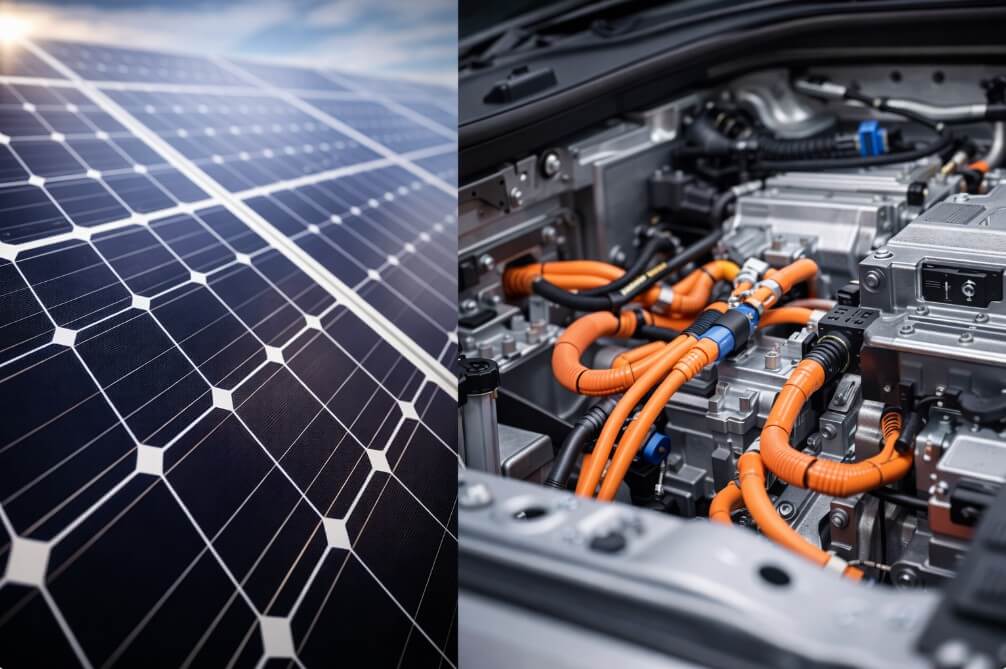
Solar is not a “future story.” It is already one of the biggest industrial buyers of silver. And there is still room to grow. The IEA has warned that in its Net Zero pathway, silver demand for solar PV manufacturing in 2030 could exceed 30% of total global silver production in 2020. That is a big jump from roughly 10% “today” in the same context.
China matters here because it dominates the solar supply chain. In the IEA PVPS data, China accounts for about 90% of solar cell manufacturing in the chart shown. That helps explain why China’s silver pull can move the global market.
The auto sector already uses a lot of silver, and electrification increases the intensity. Academic research summarizing industry data shows:
That may sound small per car, but it adds up fast when you talk about millions of vehicles.
Electronics and Data Infrastructure Keep Growing
Silver is used across electronics because it is the best electrical conductor. Phones, chips, servers, and network hardware all rely on it. The key point is scale. Digital demand does not replace solar and EV demand. It stacks on top of it.

Silver is also used in aerospace and defense systems. It sits inside radar equipment, missile guidance systems, satellites, and secure communication devices. These systems need highly reliable electrical connections. This demand is smaller than solar or EV demand, but it is strategic and difficult to replace.
Recent geopolitical tensions reminded the market of this role. After the United States and Israel struck Iran over the weekend, silver jumped to around $96 per ounce on Monday. Part of this move came from safe-haven demand. But there is another angle. When conflicts escalate, defense production increases. Because the ammunition and equipment used in combat must be replaced, and countries need to rebuild their stockpiles quickly. That can support industrial silver demand as well. If tensions remain high, this factor could continue to support prices.
A lot of industrial silver does not come back quickly. It is spread across products in tiny amounts. Recycling is possible, but it is not instant, and recovery rates vary by product. Solar panels are a good example.
Research notes silver content has been reduced over time, but silver is still present, and recovery depends on end-of-life collection and processing.
Increasing silver production is not simple or fast.
One reason is that most silver is not mined on its own. It is produced as a byproduct. Mining companies focus on metals like copper, zinc, or lead. Silver comes out during that process.
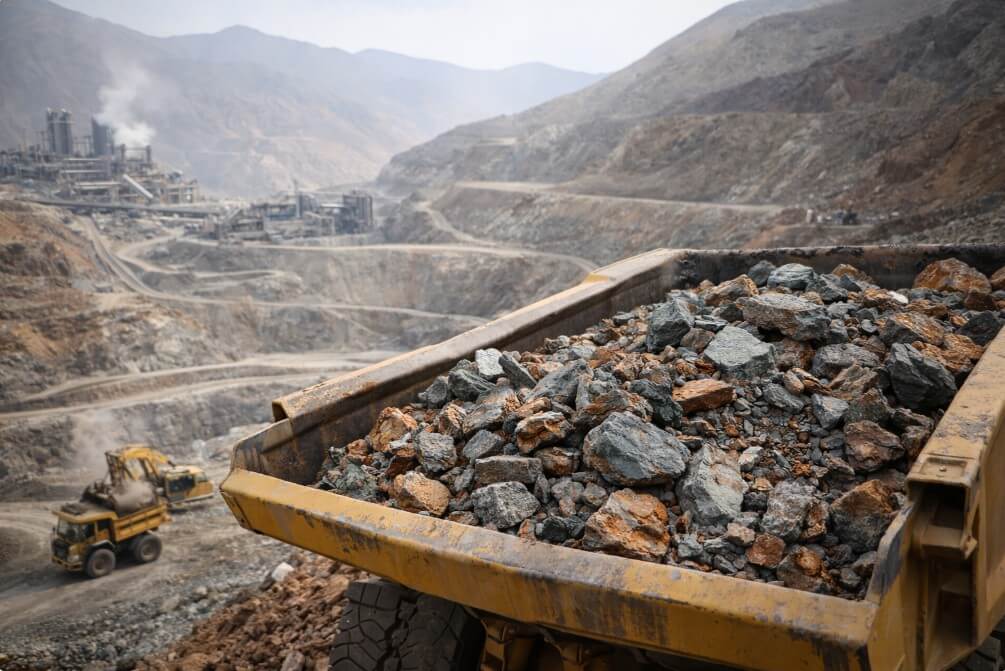
Starting a new mine is a slow process. It can take 8 to 10 years or more. Companies need permits, funding, and infrastructure. This cannot happen overnight.
There is another issue. The easiest deposits have already been mined. New projects are often more complex and expensive. This makes rapid supply growth even harder and creates a simple imbalance between production and consumption. Demand can rise quickly. Supply cannot. Then prices increase to close the gap.
The physical tightness is now showing up in financial markets too. One of the clearest signs is volatility. Silver price swings have become larger. This tells us the market is under tension. Traders expect a bigger move. They just do not know exactly when it will happen.
Another signal comes from options trading. Many traders are buying call options. This means they are positioning for higher prices. They are willing to pay for the chance to benefit from an upside move. When this behavior increases, it usually shows growing bullish expectations.
This also connects back to what is happening in China. Futures prices for near delivery are higher than the prices for future delivery. This is not normal. It shows that physical silver is more valuable today than promises of silver later.
Financial markets and physical markets do not always move together. But when both start sending the same signal, it becomes harder to ignore.
Silver mining stocks are usually early movers. They often rise before silver itself makes a major breakout. This happens because mining companies react to expectations, not just current prices.
When investors believe silver prices will rise, mining stocks become more attractive. Higher silver prices mean higher future profits. The market starts pricing that in early. This is why mining shares can move first.
This is not new. In past silver rallies, mining stocks gained momentum before the metal reached its peak. They acted like a leading signal. Later, silver followed with stronger moves.
Recently, we are seeing similar behavior. Some silver mining companies have already performed well. This suggests the market is preparing for the possibility of higher silver prices.
One of the most followed indicators in this market is the gold-silver ratio. It shows how many ounces of silver are needed to buy one ounce of gold. This ratio helps investors see the relative value between the two metals.
Right now, the ratio is still high compared to historical levels. This means silver remains cheap relative to gold. In past cycles, this ratio was much lower. When silver starts catching up, the ratio usually falls.
This adjustment can happen in two ways. Gold can fall. Or silver can rise faster than gold. In strong precious metals bull markets, silver usually moves more aggressively.
This is already starting to happen. Gold has reached record levels in recent years. Silver has moved too, but not at the same speed. This gap is one reason why many analysts believe silver still has room to climb.
Gold and silver are closely connected. When gold rises because of inflation fears, currency weakness, or central bank demand, silver often follows. But silver also has industrial demand behind it. This gives it an extra push.
If gold stays strong, silver does not need perfect conditions to rise. It simply needs the gap to close.
Why is backwardation in silver important?
Backwardation means buyers are paying more to get silver now rather than later. It shows that demand is stronger than available inventory in the short term.
Why does China have such a strong influence on silver prices?
China is one of the largest users of silver, especially in solar panels and electronics. When demand rises there, or inventories fall, the global market feels the impact.
Why does silver rise faster than gold in bull markets?
Silver starts from a smaller market size. When demand increases, prices react more strongly.
Are mining stocks a reliable way to track silver prices?
Mining stocks reflect expectations about future silver prices. They can even outperform silver in rallies but also carry a higher risk.
Could silver really reach $500 per ounce?
It is a very aggressive scenario. It would require extreme conditions, including a severe supply shock and much higher gold prices. It is possible just in theory now.
Sign up in seconds for free, access your platform, and start trading with ease.

 $200 Oil Scenario: The Chain Reaction Across Markets
What happens if oil hits $200? See the impact on global markets, sectors, inflation, and which industries could win or lose.
Detail Biggest Manipulations in Financial Market History
Financial markets have seen their share of manipulation over the years. Here are seven of the biggest cases in modern history.
Detail Petrodollar System: Why It Still Matters
Energy markets depend on supply routes, currency systems, and trade infrastructure determine prices, inflation, and financial stability across the global economy.
DetailThen Join Our Telegram Channel and Subscribe Our Trading Signals Newsletter for Free!
Join Us On Telegram!


