





Effective multi-product trading means identifying where the real opportunity lies each day and positioning accordingly. When interest rates are high, FX and gold often take the lead; during earnings season, indices and single stocks usually offer stronger momentum.
The focus stays on precision; aligning strategy with the product that offers the clearest structure, managing correlation carefully, and distributing risk across multiple ideas rather than a single chart. The goal is simple: match your strategy to the product with the cleanest structure, control correlation, and size risk across ideas rather than one chart.
A multi-product strategy suits traders who prefer flexibility over routine. It’s not about constantly switching markets but about recognizing where the best setups exist on a given day. Some traders are built for this approach, while others might find it distracting or unnecessary.
Some traders prefer to focus on one market where they know every move and rhythm, which is fine. Multi-product trading suits those who value awareness, patience, and steady discipline.
Every market moves through its own cycle. Sometimes, momentum builds in gold or oil. Other times, it shifts to currencies or equity indices. Skilled traders focus on where conditions are stable and opportunities are visible. Trading across products is about matching your strategy to the market that currently makes sense.
The key is to match market behavior to your style and timing. FX pairs move on macro data and central bank tone. Indices react to risk sentiment and earnings. Commodities follow supply cycles and geopolitical tension. Each instrument tells a different story, and timing matters more than prediction.
Trading the right product at the right time helps you avoid the gambler’s mindset of entering random markets just to stay active. Instead of forcing trades, build habits that keep you selective and focused on quality setups.
Multi-product trading works when it’s structured, not impulsive. The opportunity comes from observation and discipline, not from trading every instrument that moves.
Once you know your edge, trade products that match it. Markets vary in volatility, liquidity, and reaction to news, so focus on instruments that fit your style. Define your strategy profile; breakouts, reversions, or trends; short or long holds. These choices shape your trading plan.
Next, evaluate costs and accessibility. Trading oil might seem attractive, but a $3 spread can eat into intraday setups. Some stocks carry overnight gaps that don’t suit leveraged accounts. Always balance opportunity with practicality.
Finally, think in groups, not tickers. Instead of 20 random symbols, build three or four product clusters such as “USD majors,” “energy,” “global indices,” or “precious metals.”
Selecting products is about aligning each trade with a clear purpose, structure, and market condition that suits your system.

Each market type has its own rhythm, risk, and opportunity zone. Understanding both the similarities and differences helps you know where to focus and when to stay aside. Think of it as learning the character of each instrument before adding it to your trading plan.
Each category offers a different flavor of opportunity. The art is not trading all of them, but knowing which mix matches your capital, temperament, and availability. When you understand how they move, you stop reacting and start planning.
Markets don’t move the same way all the time. Sometimes they trend clearly, other times they move sideways without direction. Recognizing these phases helps traders adjust their focus and strategy before volatility changes unexpectedly.
Each regime has its own logic:
You don’t need complex models to read market regimes, just watch how assets move. When most rise or fall together, correlation is high; when themes diverge, selective trading performs better.
Knowing the regime tells you where to find opportunity, when to scale back, and when to stay flat. Adaptive multi-product traders stay consistent, while others get trapped in yesterday’s strategy.
Many markets move together since they react to the same drivers, such as risk sentiment, dollar strength, or commodity demand.
Taking positions in correlated instruments might look like diversification, but it only increases the risk you take.
Here’s what to keep in mind:
It’s a good habit to check correlations before opening a new position. If two of your trades tend to rise and fall together more than 80% of the time, they’re not hedging each other.
Use correlations to your advantage. They can confirm themes, highlight hedge opportunities, and help you balance your risk.
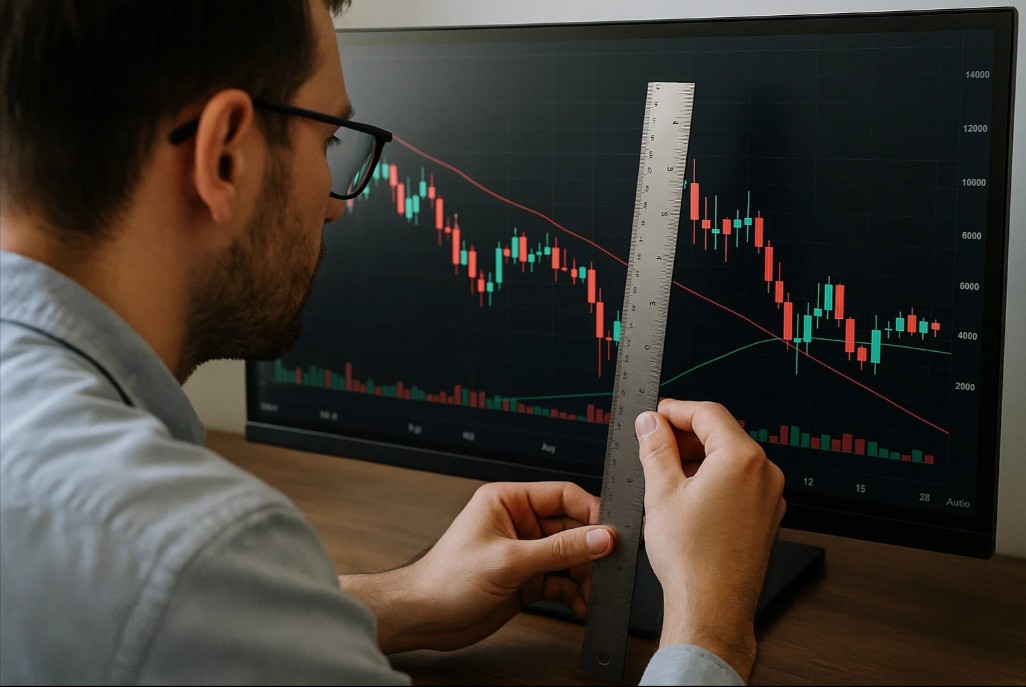
Trading across multiple products only works when position sizing and exposure are balanced.
Start by defining risk per trade.
A simple rule: risk 1–2% of your capital on each idea. If you have three correlated positions, cut that risk per position in half. The idea is to limit total exposure, not just individual losses.
Next, focus on volatility-adjusted sizing.
Gold can move $30 in an hour; EURUSD might take a day to do that. Using the same lot size across both doesn’t make sense. Adjust your trade size so that potential loss is roughly equal across products. Volatile instruments deserve smaller size, calmer ones can take slightly more.
Focus on themes, not symbols.
Manage your trades by theme rather than by symbol. Positions that share the same market idea, such as short USDJPY and long gold, should be treated as one. Keep the total exposure for each theme controlled to maintain a balanced portfolio.
A good routine includes:
Finally, build around consistency, not variety.
Two or three well-structured trades in uncorrelated markets are often enough. What matters is alignment; each trade should match your plan and support steady, long-term results.
Each market type tends to reward a specific style. Below are practical strategy frameworks with short real-world examples to show how they work in different market environments.
These markets respond well to macro themes and central-bank tone. Clean trends often emerge after key rate decisions or inflation data.
Approach:
Wait for a directional breakout confirmed by momentum (e.g., moving averages or RSI divergence). Enter on a mild pullback toward structure, not the first breakout candle.
Example:
After a dovish Fed statement, XAUUSD and EURUSD break higher together. The trader buys gold on a pullback to 5-minute support, placing a stop below the prior swing. The position benefits from both macro sentiment and dollar weakness.
Indices like NAS100 and US500 often move strongest during the overlap of London–New York sessions
Approach:
Use VWAP or previous-day high/low as a directional filter. Trade breakouts aligned with the dominant bias and avoid fading strong intraday trends.
Example:
On rising tech earnings, NAS100 opens above the prior day’s high. A trader takes a long position above VWAP and trails the stop every 50 points until volatility fades near the U.S. close.
Oil and natural gas move sharply on inventory data, OPEC headlines, or geopolitical news.
Approach:
Plan trades around scheduled events. Wait for the first reaction to cool, then follow the second wave in the direction of sustained order flow.
Example:
Crude oil spikes down on unexpected inventory build, then stabilizes. Once sellers fail to push new lows, a long scalp toward equilibrium offers a cleaner entry with defined risk.
Gold, silver, and copper often act as risk gauges. When equities weaken, metals can serve as partial hedges.
Approach:
Use metals to offset exposure rather than over-diversify. For example, when long in multiple equity indices, a small gold long position can balance the book.
Example:
During a market pullback, a trader holds long S&P positions but adds a controlled long in gold as protection against further volatility.
Single stocks provide specific opportunities during earnings seasons or major company news.
Approach:
Avoid random entries. Trade structured catalysts like earnings beats, dividend changes, or mergers. Always manage gap risk with smaller size and wider stops.
Example:
Apple beats estimates and guides higher. The trader enters a short-term long on AAPL CFD, rides post-earnings momentum for two sessions, then exits as volume normalizes.
Sometimes opportunities align across products, creating overlapping trades.
Scenario:
The U.S. dollar weakens after soft CPI data. Gold moves higher, EURUSD trends upward, and NAS100 also rises. Instead of taking all three positions, the trader selects gold and NAS100 while reducing the position size.
In early summer, volatility dries up in FX but returns to oil and metals. The trader temporarily shifts capital to commodities, keeping FX exposure minimal until conditions improve.
By rotating focus instead of forcing trades, they maintain engagement without unnecessary drawdown.
Multi-asset trading is a process that improves through review, data, and self-awareness. Measuring your performance by product, strategy, and time frame helps you identify what truly works. So, you can scale consistency instead of repeating mistakes.
Start with a daily or weekly log.
Record each trade’s product, setup type, result, and reason for entry. After a few weeks, patterns appear. You’ll see which instruments align best with your style and which drain performance.
Next, use simple performance metrics.
You don’t need advanced analytics. A few honest numbers can tell enough:
Set a review rhythm.
Every weekend, ask:
Over time, this becomes your personal database of what works. You’ll notice that some products deliver smoother equity curves or fewer emotional trades. That’s your edge! Focus on those, trim the rest.
Iteration is where good traders separate from average ones. Progress comes from steady refinement, not big leaps. It stays alive through regular review, small adjustments, and honest self-checks.
How many markets should I trade at once?
Begin with two or three uncorrelated instruments, such as one FX pair, one index, and one commodity. Add more only when you can follow them comfortably without missing setups or breaking your risk plan.
Which platform is better for multi-product trading?
MT5 and cTrader are both solid. MT5 is widely supported, while cTrader offers better visual depth and order management for active traders.
Is it okay to hold trades in different markets overnight?
Yes but check swap rates and correlation. Overnight holding can multiply costs or exposure if products move in sync during global sentiment shifts.
How can I identify when to rotate from FX to commodities or indices?
Watch where daily volatility and clean technical structure appear. If FX goes flat but oil or gold trends smoothly, shift focus there. Volume and breakout quality are good signals for rotation.
Should I use the same leverage across all products?
No. Adjust leverage to volatility. For example, use lower leverage on gold or oil than on EURUSD because their price swings are larger.
What is a practical way to track correlations?
Use a simple rolling correlation matrix or visual overlay on your charting tool. Even a quick look at how assets move together over the last week helps prevent stacking the same risk.
How do professionals handle theme overlap in multi-product portfolios?
They group trades by macro driver (like “USD weakness” or “risk-on”) and cap total exposure per theme. This way, they avoid carrying three positions that all depend on the same story.
When do you cut an instrument from your watchlist?
Drop it when it no longer fits your strategy. If price action becomes messy, spreads widen, or moves lack follow-through, it’ might be the time to step back.
How do you adjust for regime changes without overfitting?
Focus on volatility and correlation patterns instead of model tweaks. A simple change in volatility range often signals regime shifts earlier than indicators do.
What’s the best way to measure cross-market performance consistency?
Track “return per unit of risk” by instrument over time. If one product consistently delivers smoother equity growth, make it your core market and downsize others to satellite roles.
Sign up in seconds for free, access your platform, and start trading with ease.

 $200 Oil Scenario: The Chain Reaction Across Markets
What happens if oil hits $200? See the impact on global markets, sectors, inflation, and which industries could win or lose.
Detail Biggest Manipulations in Financial Market History
Financial markets have seen their share of manipulation over the years. Here are seven of the biggest cases in modern history.
Detail Petrodollar System: Why It Still Matters
Energy markets depend on supply routes, currency systems, and trade infrastructure determine prices, inflation, and financial stability across the global economy.
DetailThen Join Our Telegram Channel and Subscribe Our Trading Signals Newsletter for Free!
Join Us On Telegram!


