




Markets are always awake, moving around the clock.
Even after the stock exchanges ring their closing bell, trading continues in special sessions where opportunities can move just as fast, sometimes faster. Known as pre-market and after-hours trading, these periods give investors the chance to react to overnight news, earnings reports, or global events before the regular session begins or after it ends.
Ready to learn more? Let’s break it down.
Pre-market trading takes place before the official market opens. In the US, this usually starts as early as 4:00 a.m. Eastern Time and runs until 9:30 a.m. After-hours trading begins at 4:00 p.m. and can continue until 8:00 p.m.
These sessions exist because electronic communication networks (ECNs) match buyers and sellers even when the main exchanges are closed. That means traders can react to earnings releases, economic data, or global news without waiting for the next day.
Why does this matter? Because price action outside regular hours can set the tone for the next session. Stocks that gap higher or lower in pre-market often open with strong momentum. After-hours trading can also show where big money is positioning itself before the next bell.
The regular stock market hours run from 9:30 a.m. to 4:00 p.m. Eastern Time. Trading activity, however, extends beyond this window. The pre-market session typically begins at 4:00 a.m. and continues until the opening bell at 9:30 a.m., while the after-hours session runs from 4:00 p.m. to 8:00 p.m. Although exact times can vary slightly depending on the broker, these are the commonly accepted trading periods.
Access depends on your broker and platform. Not every stock is available for extended hours, and some brokers only allow trading in certain shares or ETFs. Others, especially CFD brokers, may give almost 24/7 access to popular US names.
The important point is that trading outside normal hours happens through ECNs. These networks link buy and sell orders directly, without waiting for the main exchange to open. That is why liquidity can be patchy, and price moves can be sharper.
Trading outside the main session is not the same as trading during the day. Liquidity is thinner, spreads are wider, and the risk of slippage is higher. Because of that, most brokers limit the type of orders you can place.
Market orders are often disabled in pre-market and after-hours sessions. Instead, brokers allow limit orders or stop-limit orders. This forces you to set a price and avoid getting filled far away from where you expect. Partial fills are also common, since there may not be enough buyers or sellers at your chosen level.
For traders, this means discipline is not optional. Always set clear price levels, trade smaller size, and don’t assume you will get the same execution quality as during regular hours.
Price swings outside regular hours are often sharper, mainly because there are fewer traders and lower liquidity. A handful of major events typically affect this activity.
The most common driver is earnings reports. Companies frequently release results either before the opening bell or right after the market closes. This makes pre-market and after-hours trading the first opportunity for investors to react.
Economic data can also spark movement before regular hours. Reports on jobs, inflation, or retail sales are often published early in the morning, triggering activity ahead of the main session.
Breaking news like mergers, regulatory updates, or major global developments can cause sudden market swings at any time. Extended sessions give traders the ability to respond immediately rather than waiting for the next trading day.
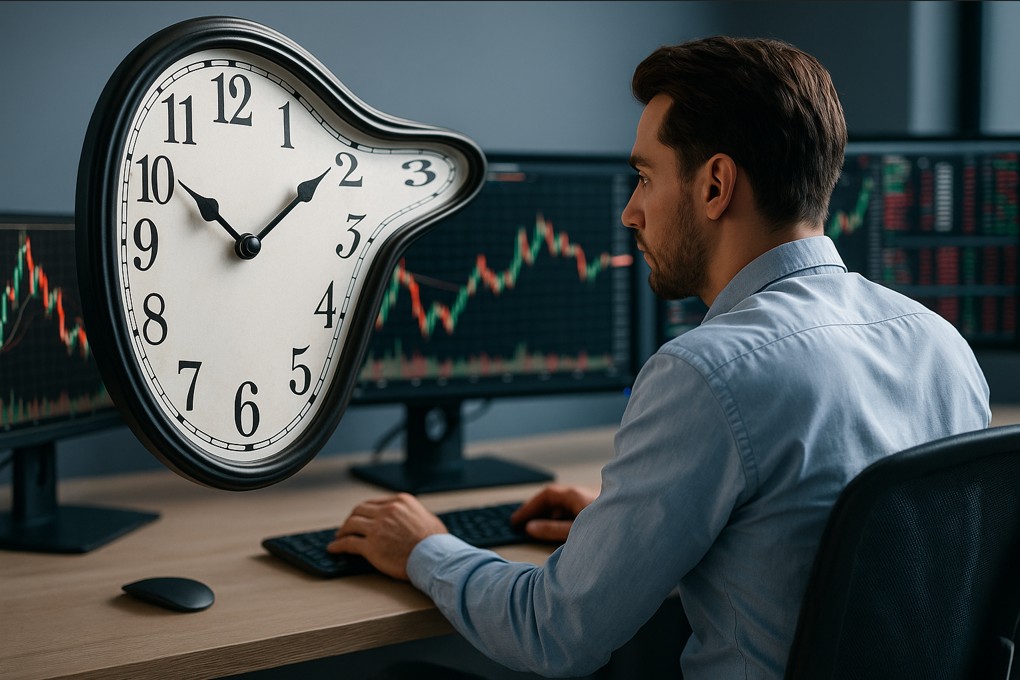
Trading outside regular hours can be useful, but it comes with its own set of challenges. Here’s a simple breakdown of what traders often see as the main pros and cons.
Extended hours trading is not simply a copy of the regular session. Conditions change, and traders need to understand how these differences affect access, costs, and execution. Knowing what shifts outside normal hours helps you avoid surprises and trade with more control.
The main differences fall into a few categories: broker rules, pricing behavior, available instruments, and execution quality. Let’s look at them one by one.
Not every broker offers the same access. Some limit trading to certain US stocks and ETFs, while others, especially CFD brokers, may allow “all sessions” trading on popular names. Order types are also restricted. Market orders are often blocked, leaving only limit or stop-limit orders in place.
Spreads widen outside the main session. Fewer buyers and sellers mean less competition, so the cost of trading rises. Quotes can also move quickly, and the price you see after hours may not match the official open the next morning.
Some instruments are available all the time, while others are restricted. Highly liquid US stocks usually trade pre-market and after-hours, but smaller companies may not. CFDs may offer broader access, but pricing depends on the broker’s feed.
Order fills are less reliable outside regular hours. Partial fills are common, and halts or pauses can interrupt trading suddenly. Time-in-force settings also matter, as not all orders carry into extended sessions automatically.
Trading outside regular sessions requires a different approach. Liquidity is thinner, spreads tend to be wider, and execution can be less reliable. To navigate these challenges, traders need both the right setup and a well-defined game plan.
Choose a platform that provides pre-market and after-hours quotes, and use Level 2 data when available to view order depth. Keep an earnings calendar and news feed handy, as headlines often drive extended-hours moves. Trade smaller positions than you would during regular sessions, and rely on limit or stop-limit orders to avoid poor fills. Also, review your time-in-force settings, some order types may not carry over into extended trading sessions.
Earnings gap-and-go: A stock gaps on earnings and continues in the same direction. Use limit entries with a predefined stop to avoid chasing.
News fade: A sudden spike or drop on a headline can snap back quickly. Size down and avoid market orders in thin books.
Liquidity sweep: At the very start or end of a session, large players can clear the book. Avoid chasing those first moves; wait for spreads to settle.
The Setup
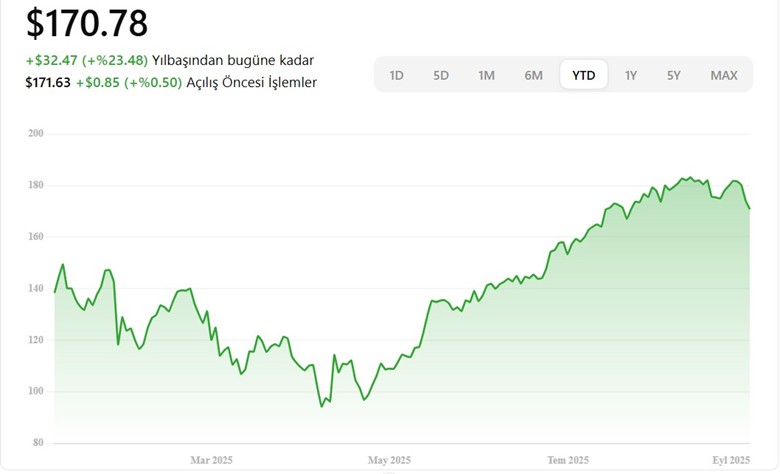
On August 27, 2025, Nvidia reported record revenue at $46.7 billion, up 56% year-over-year. But offered cautious guidance due to China uncertainty. The stock slipped ~3% in after-hours trading.
Traders reacted immediately, some sold amid outlook concerns, others bought on strong fundamentals. That set a price direction heading into the next day.
The Trade (after-hours + next morning)
Outcome
Scenario played out: The next morning, pre-market buying reversed the dips, pushing Nvidia steadily higher. Opened near $172, then climbed to $175 within an hour as traders bought on optimism around AI demand.
Why this works
Earnings triggered early price discovery. Some shorts locked gains, while others bought on strength. Pre-market liquidity allowed a controlled entry via limit order. A tight stop reduced the risk.
1. Can I trade every stock in extended hours?
No. Only selected stocks are available. Highly liquid names usually trade, but many smaller companies do not.
2. Do pre-market prices count as the official closing price?
No. Closing prices are based on the regular session. Pre- and after-hours moves are separate and do not change the official close.
3. Is volume always lower in these sessions?
Yes, compared to regular hours. Fewer participants means lower volume and thinner order books.
4. Why do some earnings announcements hit after the close instead of during the day?
Companies prefer after-hours to avoid shocking prices mid-session. It gives analysts and investors time to process the news before the next open.
5. Can extended-hours trading change how a stock opens the next day?
Yes. A large move after hours often sets the tone, but the opening auction can still gap in a different direction if new news emerges.
6. How can I see who is moving the stock in extended hours?
Use Level 2 or “time and sales” data if your broker offers it. This shows who is posting bids and offers in thin books.
7. Do institutional investors dominate extended hours?
Yes. Hedge funds, asset managers, and large market makers are the most active. Retail can participate, but the playing field is tilted.
8. How do ETF prices behave in after-hours compared to the underlying basket?
ETFs can trade in extended hours, but the underlying stocks may not. This causes wider spreads and more dislocations than during the day.
9. Can options be traded pre-market or after-hours?
Mostly no. Options trading is limited to regular hours on most US exchanges. That means hedging with options is harder outside the main session.
10. What role do dark pools and off-exchange venues play after hours?
Large trades sometimes move off the main ECNs into dark pools for execution. This reduces visible liquidity and can create sudden, unexplained jumps in price.
Pre-market and after-hours sessions give traders more flexibility, but they are not just an extension of the normal day. Liquidity, spreads, and execution all change once the bell rings. Knowing these differences helps you approach these sessions with realistic expectations.
Keep in mind:
Extended hours can offer opportunities to react faster and catch early moves. Treat them as a different market with their own rules, not as a simple add-on to daytime trading.
Sign up in seconds for free, access your platform, and start trading with ease.

 $200 Oil Scenario: The Chain Reaction Across Markets
What happens if oil hits $200? See the impact on global markets, sectors, inflation, and which industries could win or lose.
Detail Biggest Manipulations in Financial Market History
Financial markets have seen their share of manipulation over the years. Here are seven of the biggest cases in modern history.
Detail Petrodollar System: Why It Still Matters
Energy markets depend on supply routes, currency systems, and trade infrastructure determine prices, inflation, and financial stability across the global economy.
DetailThen Join Our Telegram Channel and Subscribe Our Trading Signals Newsletter for Free!
Join Us On Telegram!


