




Energy shocks have played a role in several past economic crises. Because when oil rises, the effects spread quickly through transportation, manufacturing, and consumer spending.
here are two key points to watch here. First is how quickly oil prices have risen. Second is how long they remain at these levels.
If prices stay high for an extended period, it will become harder to maintain current economic activity around the world.
Sudden oil price increases have preceded several major economic downturns. The pattern appeared during the 1973 oil embargo, the 1979 Iranian crisis, the 1990 Gulf War, and again before the 2008 financial crisis. In each case, oil prices moved higher quickly before economic activity started to slow.
Energy is a core input for the global economy. That is why economists pay close attention to oil price spikes. If the increase is temporary and prices fall back quickly, the economy can usually absorb the shock.
But a sustained jump in oil prices can put pressure on both consumers and businesses at the same time. This may cause a broader economic slowdown.
Economists usually watch three key signals when oil prices begin to climb.
The first is speed. If oil rises slowly over many months, the economy can usually adjust. Companies adapt their pricing, and consumers gradually change their spending habits. But when prices jump quickly, businesses and households have little time to react.
The second factor is magnitude. Historically, recession risk rises when oil prices increase by 50% or more within a short period. A move of that size can significantly increase fuel costs, transportation expenses, and manufacturing inputs.
The third signal is duration. Even a sharp spike may not cause serious damage if prices fall back quickly. Real pressure appears when oil stays elevated for several months. That is when higher energy costs begin to filter through the entire economy.
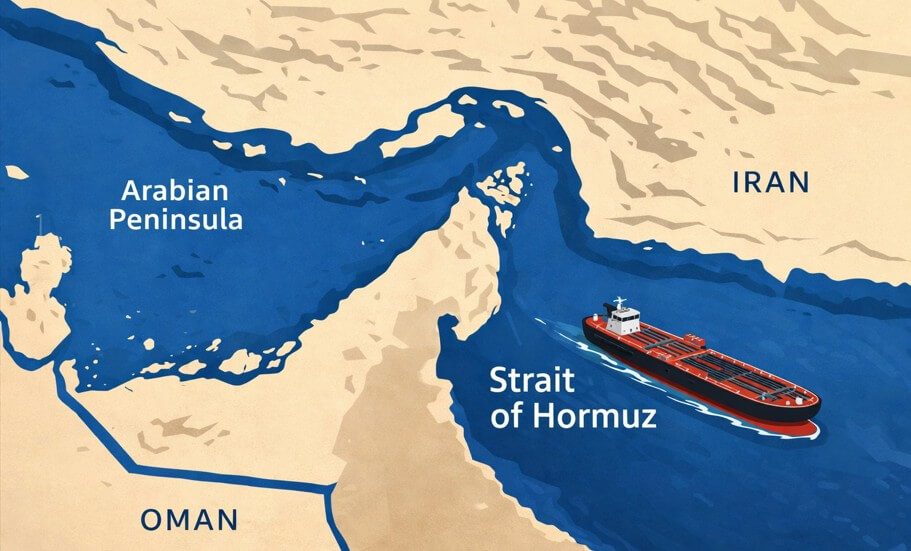
One of the main drivers behind the recent rise in oil prices is the situation around the Strait of Hormuz. When a route this important becomes uncertain, markets react quickly. Any disruption to shipping traffic can tighten global supply and push oil prices higher.
This narrow waterway sits between Iran and the Arabian Peninsula and is one of the most critical energy routes in the world. Roughly 20% of global oil supply passes through this passage. It is also a key corridor for LNG exports from Qatar.
Recent reports point out growing security risks in the area. Several oil tankers have reportedly been damaged or targeted near the Strait of Hormuz, and there are increasing concerns that Iran could deploy sea mines to block the route. Such a move would severely disrupt tanker traffic through the strait.
Another factor pushing oil prices higher is the growing disruption in shipping insurance. Several major insurers have withdrawn coverage for vessels traveling through the Gulf and the Strait of Hormuz.
Without insurance protection, shipping companies face serious financial risk. If a tanker is damaged or seized, the losses can be enormous. As a result, many vessels are now reluctant to pass through the region.
For ships that still operate in the area, insurance costs have surged. Some reports suggest that war-risk premiums have increased by as much as twelve times compared to normal conditions.
Even if the Strait of Hormuz remains technically open, these conditions can still slow oil traffic. Fewer ships moving through the route effectively tightens global supply.
Oil sits at the center of the global economy. When prices rise, the effects spread across every sector.
The most visible impact appears on fuel prices. When crude oil moves higher, gasoline, diesel, and jet fuel follow.
Consumers feel the change at the gas pump. Businesses feel it in transportation and logistics costs. Airlines face higher fuel expenses while trucking and shipping companies pay more to move goods. Over time, these costs spread across supply chains.
Oil is also embedded in everyday products. Many materials used in modern manufacturing are derived from petroleum.
This includes plastics, synthetic fabrics like polyester and nylon, cosmetics, packaging materials, paints, and electronics components. As oil prices rise, the cost of producing these goods often increases as well.
Higher energy prices also raise operating costs for manufacturers and industrial companies. Factories rely on energy to run machinery, transport raw materials, and distribute finished goods.
At the same time, logistics companies face higher fuel bills, which pushes up shipping costs. These pressures can gradually feed into broader inflation across the economy.
Higher oil prices do not only affect consumers. Businesses also face rising costs when energy becomes more expensive.
Industries such as airlines, transportation companies, manufacturers, and retailers are especially sensitive to fuel prices. When oil rises, operating costs increase. Fuel, shipping, and raw material expenses all move higher at the same time.
Many companies eventually pass these costs on to customers. But that process usually takes time. In the short term, higher energy prices are going to compress profit margins.
If oil remains elevated for several months, weaker margins can begin to affect corporate earnings. Lower profits can lead to slower hiring, reduced investment, and sometimes layoffs.
Energy costs feed directly into headline inflation, which is one of the key indicators central banks monitor.
When oil prices rise, gasoline and transportation costs also increase. These changes can push inflation higher.
In this situation, the Fed may choose to delay interest rate cuts or keep policy tighter for longer. That can create a more difficult environment for financial markets and economic growth. This is why energy prices are closely watched by policymakers.
We’re seeing a massive shift in the energy market right now, and it’s happening fast. We’ve watched WTI crude blow past the $100 mark and even hit $119, which is the highest we have seen in years.
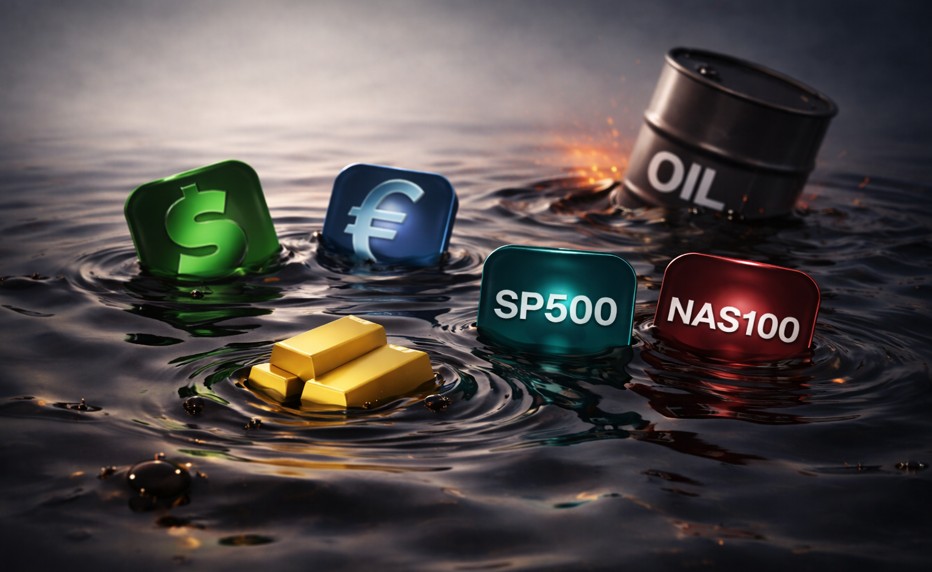
The main reason everyone is panicking is the Strait of Hormuz. It is a tiny stretch of water, but it carries about 20% of the world’s oil. When there is even a hint of trouble there, the market reacts instantly. It is not just about the oil itself, either. Tanker traffic is slowing down because insurance costs for these ships are through the roof.
What’s worrying is how quickly we got here. At the start of 2026, oil was sitting around $70. Jumping to over $100 in just a few weeks is the kind of spike that historically triggers a recession. It’s a domino effect. When it costs more to fuel a truck, it costs more to put food on a grocery shelf.
If this conflict doesn't settle down and we see damage to oil rigs or ports, some analysts are concerned we could see $150 or even $200 a barrel. If that happens, we will be talking about a global stagflation scenario.
For now, everyone is just watching the headlines and hoping for a diplomatic solution.
Sign up in seconds for free, access your platform, and start trading with ease.

 Biggest Manipulations in Financial Market History
Financial markets have seen their share of manipulation over the years. Here are seven of the biggest cases in modern history.
Detail Petrodollar System: Why It Still Matters
Energy markets depend on supply routes, currency systems, and trade infrastructure determine prices, inflation, and financial stability across the global economy.
Detail Why Precious Metals Softened During War
Precious metals weakened during the war as investors moved into cash. Liquidity need, margin calls, and shifting positioning explain the market reaction.
DetailThen Join Our Telegram Channel and Subscribe Our Trading Signals Newsletter for Free!
Join Us On Telegram!


