




We are seeing the Middle East pull oil back into the center of the global conversation, and not for a good reason. Prices have climbed to levels we haven’t dealt with since the 2022 energy shock. Now, everyone is talking about supply chain risks and inflation all over again.
But this isn’t just a story about what it costs to fill your tank. Everything is connected. When you threaten a major energy route, the ripple effects hit the financial world instantly and hard. It shifts how investors feel and forces central banks to rethink interest rates.
The state of the global economy makes this even more of a mess. Most governments are already sitting on record levels of debt, and the balance of economic power is shifting. In a world this leveraged, a jump in energy prices acts like knocking over the first domino. It puts central banks in a corner where they must choose between fighting inflation or watching a shaky economy collapse.
Ultimately, these tensions aren't just a regional conflict. They are part of a much bigger, uglier picture involving energy security and the role of the U.S. dollar in a world that is already drowning in debt.
Behind the headlines, energy and currency are two sides of the same coin. Oil isn't just something you pump into a tank; it’s the gravity holding the global financial system together.
For decades, the "petrodollar" has been the king. Because almost everyone has to buy oil in U.S. dollars, the demand for the currency stayed bulletproof, but that's starting to crack. We’re seeing more countries bypass the dollar in energy deals, using local currencies instead. These might be small moves for now, but they signal a much bigger fight over who controls global finance.
The U.S. is also staring down amountain of debt. Keeping that stable is becoming a nightmare. A super-strong dollar and high interest rates make it incredibly expensive just to pay the interest on those loans.
Think of a weaker dollar as a relief valve. When the dollar loses a bit of its value, that debt becomes "cheaper" to pay back because the money being used is worth less than it was before. At the same time, it makes American-made products cheaper for people in other countries to buy, which gives U.S. factories a much-needed edge.
Ultimately, oil markets are where the shooting wars meet the financial wars. A supply disruption might spike prices tomorrow, but the real impact is how it forces the central banks and changes the long-term direction of the dollar.
The narrow waters of the Strait of Hormuz now represent the key vulnerability for global energy flows. This tiny stretch of water handles about 20% of the world’s oil. When things get tense there, supply fears and price spikes happen instantly.
But the story isn't just about oil. The Hormuz Strait is also a major exit for the world’s fertilizers, specifically urea, which is a key ingredient for modern farming. With ship traffic through the passage dropping by nearly 97% since the start of March, that fertilizer isn't getting to where it needs to go.
This creates a serious chain reaction. It’s not just that gas is getting more expensive; it’s that it’s becoming harder and costlier to grow food. When energy and agriculture are hit at the same time, you aren't just looking at a local conflict anymore, you’re looking at a global cost-of-living crisis.
For countries that import their food and fuel, this is an economic emergency. Tensions in the Strait never stay regional. They become a global problem the moment they start affecting the food on people's tables.
Right now, the U.S. is sitting on a mountain of debt of over $38 trillion. It’s an unprecedented number, and it has become the single biggest factor driving economic policy.
Math is simple but brutal: when interest rates stay high, the cost of just paying the interest on that debt skyrockets. Every time the government must roll over its debt, those higher rates turn into massive interest payments. We’re talking about adding hundreds of billions of dollars to annual spending just to keep up with the bills.
A strong dollar makes this even more complicated. Sure, it helps keep the cost of imports down, but it also makes American products too expensive for the rest of the world to buy. That ends up hurting U.S. manufacturing.
For an economy drowning in this much debt, a weaker dollar offers some breathing room. It makes the "real" value of that debt a little easier to manage over time and helps American exporters compete again.
This is exactly why everyone is obsessed with when the Federal Reserve will cut rates. Lower rates make borrowing cheaper for the government and take some of the pressure off the entire system. Finding the right balance between fighting inflation and keeping this debt from spiraling is the ultimate challenge for policymakers right now.
During geopolitical conflicts, we tend to focus on security or old-fashioned power struggles. But the real story is about who controls the energy and how it gets paid for.
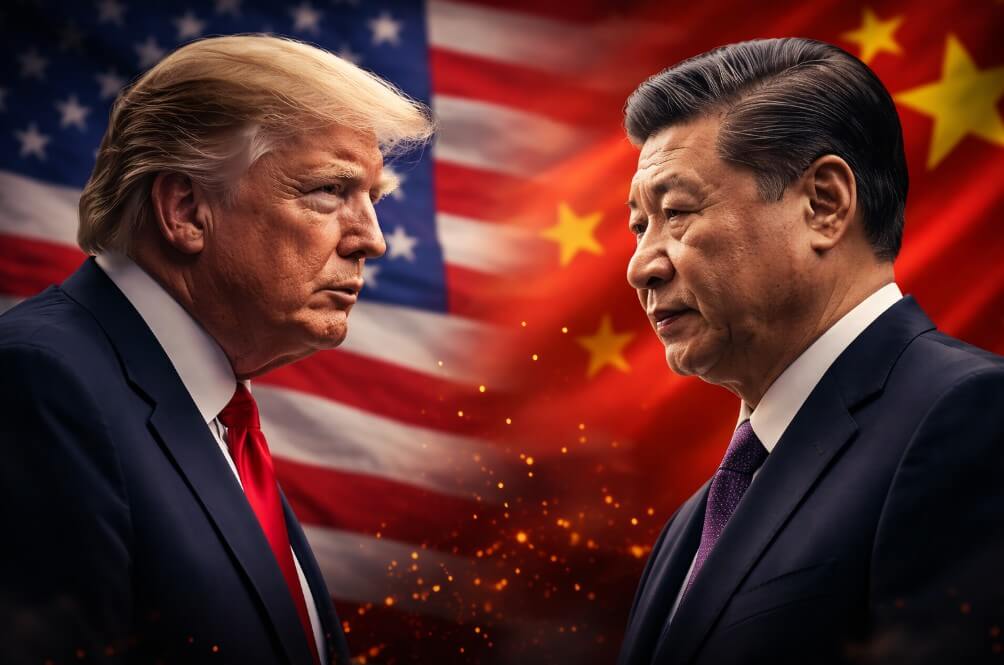
China, for example. As the world’s biggest energy consumer, they need a steady, cheap supply of oil to keep their economy moving. For years, they have leaned on countries like Iran and Venezuela to get that oil at a discount.
There is a bigger financial game being played here, too. Some of these deals are now happening outside the traditional U.S. dollar system. Whether they use local currencies or new payment platforms, these countries are testing the waters to see if they can trade without needing the dollar. It is still on a small scale, but it is a direct challenge to the dollar's long-term dominance in the oil market.
This is why tensions in oil-rich regions matter so much more than just a local fight. If you can disrupt these alternative supply channels or change how oil flows, you aren't just winning a regional conflict. You are reshaping global trade and the financial system itself.
Energy markets are where trade wars, currency fights, and military strategy all meet. When major powers compete for control over supply routes, the ripple effects hit every market in the world.
Tensions across regions trigger a fast reaction in oil prices. When supply routes are threatened, traders start pricing in the "what-ifs" immediately, and we see spikes within days.
History shows that these shocks are temporary. Once the immediate panic fades and supply conditions settle down, prices tend to retreat from those crisis levels.
A few things could pull prices back down. If the situation eases and restricted supply returns to the market, the balance shifts quickly. Sometimes, just a couple of million additional barrels a day is enough to change the entire outlook.
Higher prices also tend to solve their own problems over time. They encourage producers to pump more and force consumers to cut back on how much they use. This naturally helps the market stabilize.
Because of this, a short-term spike doesn't always mean we are facing a permanent shortage. It really comes down to how long the disruptions last and how quickly new production can fill the gap. If the supply holds up, prices could head back toward more normal levels once the initial shock wears off.
Japan plays a unique role in the global financial system. For decades, the country kept interest rates near zero, which allowed investors to borrow cheaply in yen and put that money into higher-paying assets all over the world.
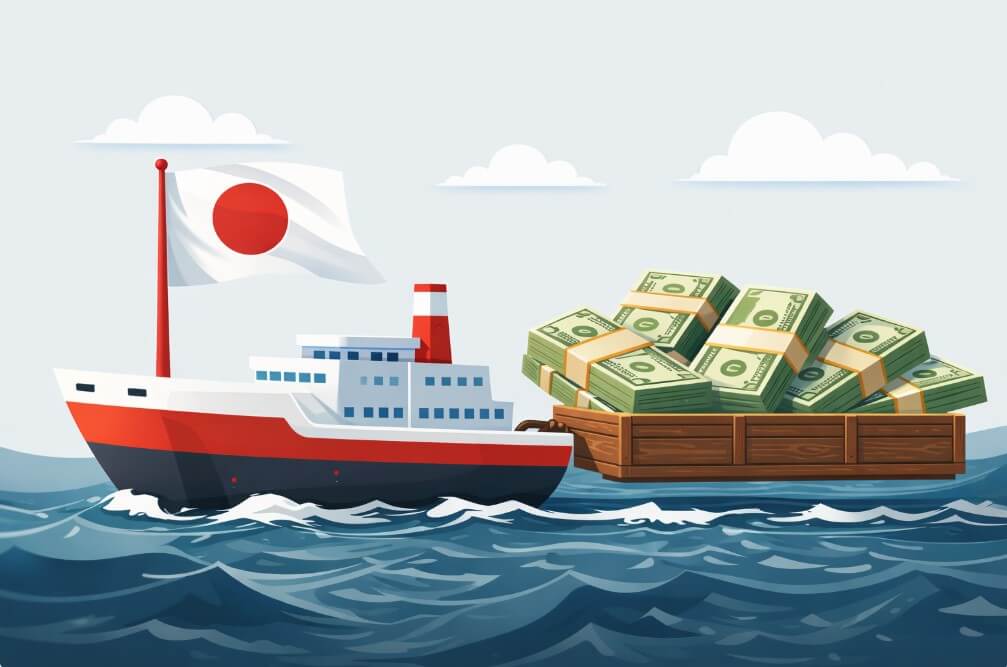
This setup, known as the Yen Carry Trade, has been a massive source of global cash. Huge amounts of capital have flowed out of Japan and into international markets this way.
Rising energy prices change the math for Japan because they import almost all their energy. If energy costs drive up inflation, the Bank of Japan might be forced to finally move away from those ultra-low interest rates.
Even a small rate hike would be felt globally. If borrowing in Japan becomes more expensive, that "carry trade" becomes a lot less attractive. Investors might start pulling their money out of overseas markets to bring it back home.
A shift like that wouldn't necessarily cause a crisis, but it would make global markets more volatile. This is why Japan’s next move is such a big piece of the puzzle right now.
Despite the volatility from oil prices and geopolitical risks, there are still good opportunities in the U.S. markets.
In the stock market, things might finally start to balance out. For a long time, a small group of giant tech companies has been responsible for almost all the market's growth. If the economy stays steady, we could see that momentum spread to a wider range of industries. This would make equal-weighted indices more attractive, as gains would be shared across many companies instead of just a few big names.
Energy stocks are still worth watching as well. Even if oil prices eventually settle, the long-term need for energy production and better infrastructure keeps the sector relevant for investors.
The bond market might also look better if inflation starts to cool. Lower energy prices with productivity boosts from AI and automation could help lower costs across the board.
If inflation moderates, long-term interest rates should stabilize, making U.S. Treasuries a more reliable option for investors looking for steady returns.
Sign up in seconds for free, access your platform, and start trading with ease.

 Biggest Manipulations in Financial Market History
Financial markets have seen their share of manipulation over the years. Here are seven of the biggest cases in modern history.
Detail Petrodollar System: Why It Still Matters
Energy markets depend on supply routes, currency systems, and trade infrastructure determine prices, inflation, and financial stability across the global economy.
Detail Why Precious Metals Softened During War
Precious metals weakened during the war as investors moved into cash. Liquidity need, margin calls, and shifting positioning explain the market reaction.
DetailThen Join Our Telegram Channel and Subscribe Our Trading Signals Newsletter for Free!
Join Us On Telegram!


