




Major FX and metals opened the week firm as markets prepared for heavy data and shifting policy expectations. EUR/USD rose back above 1.1600 on softer Eurozone inflation and steady ECB guidance through 2026, while GBP/USD held near 1.3245 supported by rising odds of a December Fed cut.
Gold pushed toward $4,240 to a five-week high and silver hit new records near $57.60 on tightening supply and lower-rate expectations. The yen strengthened beyond 155.5 to a two-week high as markets increased bets on a BOJ hike in December or January amid persistent inflation.
| Time | Cur. | Event | Forecast | Previous |
| 14:45 | USD | S&P Global Manufacturing PMI (Nov) | 51.9 | 52.5 |
| 15:00 | USD | U.S. ISM Manufacturing Purchasing Managers Index (Nov) | 49.0 | 48.7 |
| 15:00 | USD | U.S. ISM Manufacturing Prices (Nov) | 59.5 | 58.0 |
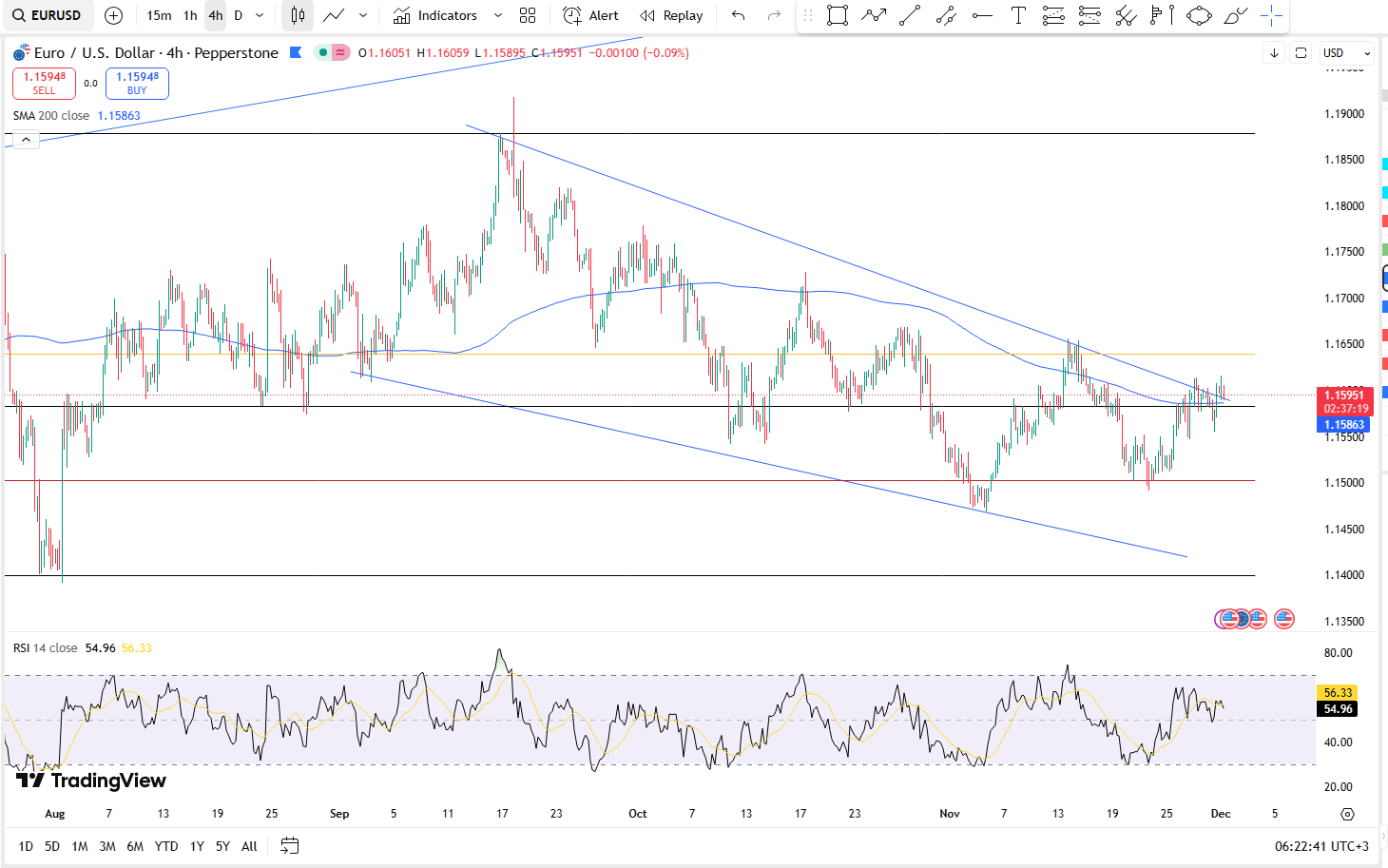
The EUR/USD pair resumed its climb at the start of the week, rising back above 1.1600 in Monday’s Asian session. Inflation readings from France and Italy remained steady and softer than projected, while Spain saw a smaller decline. Combined with ECB minutes that signaled no rush toward easing, markets continue to expect policy to remain unchanged well into 2026.
Technically, 1.1490 is the key support, while resistance is seen at 1.1630.
| R1: 1.1630 | S1: 1.1490 |
| R2: 1.1670 | S2: 1.1420 |
| R3: 1.1750 | S3: 1.1390 |
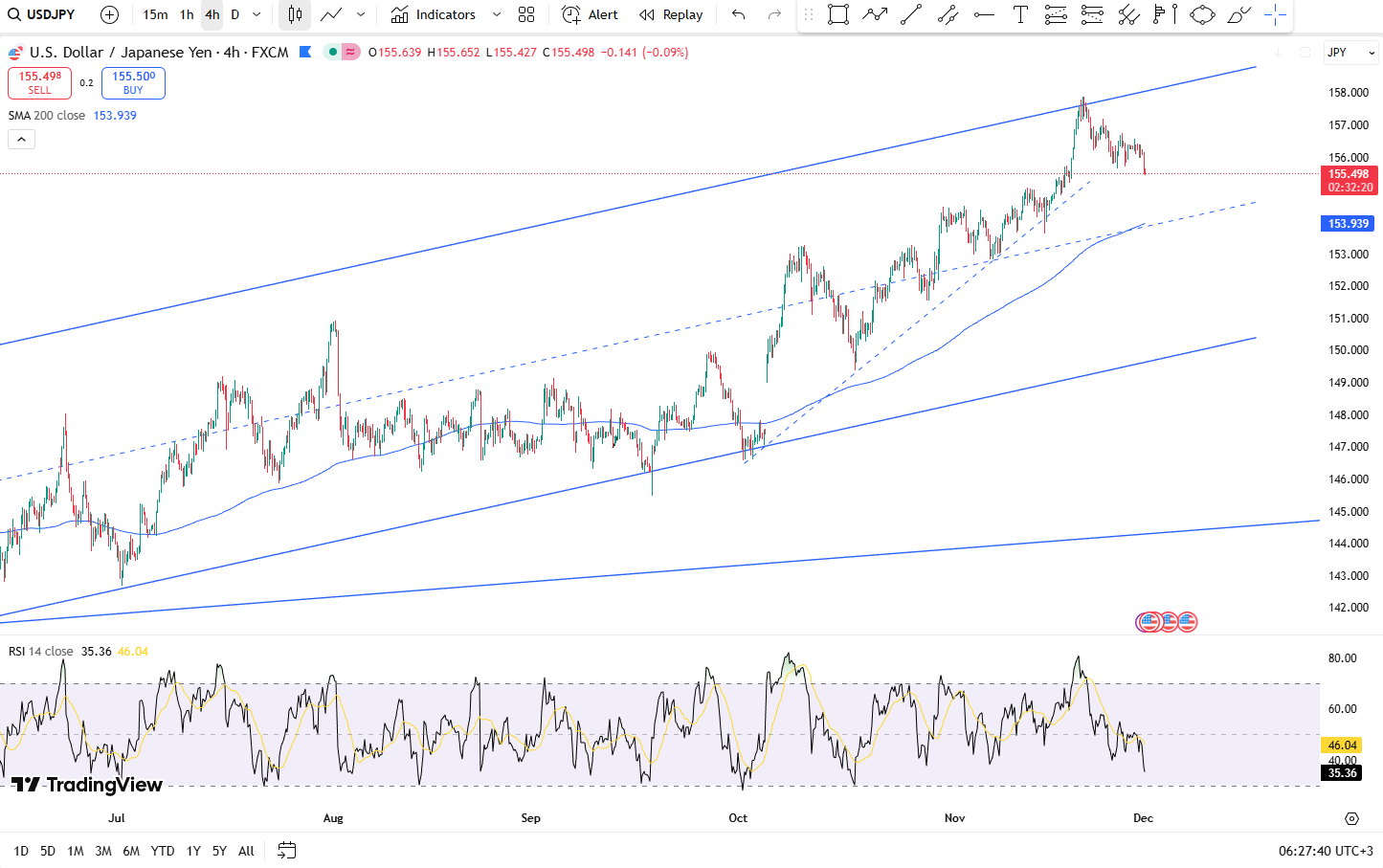
The yen strengthened beyond 155.5 per dollar, reaching its highest level in nearly two weeks as markets raised the likelihood of a BOJ rate increase, now estimating a 62% chance in December and almost 90% in January. The adjustment comes after a 5% quarterly decline in the currency and inflation holding above 2%. A softer US dollar, supported by expectations of a Fed rate cut next week, added momentum. Japan’s November manufacturing PMI was also revised slightly lower to 48.7.
Technically, resistance stands near 157.95, while support is firm at 154.20.
| R1: 157.95 | S1: 154.20 |
| R2: 160.15 | S2: 153.65 |
| R3: 161.20 | S3: 151.60 |
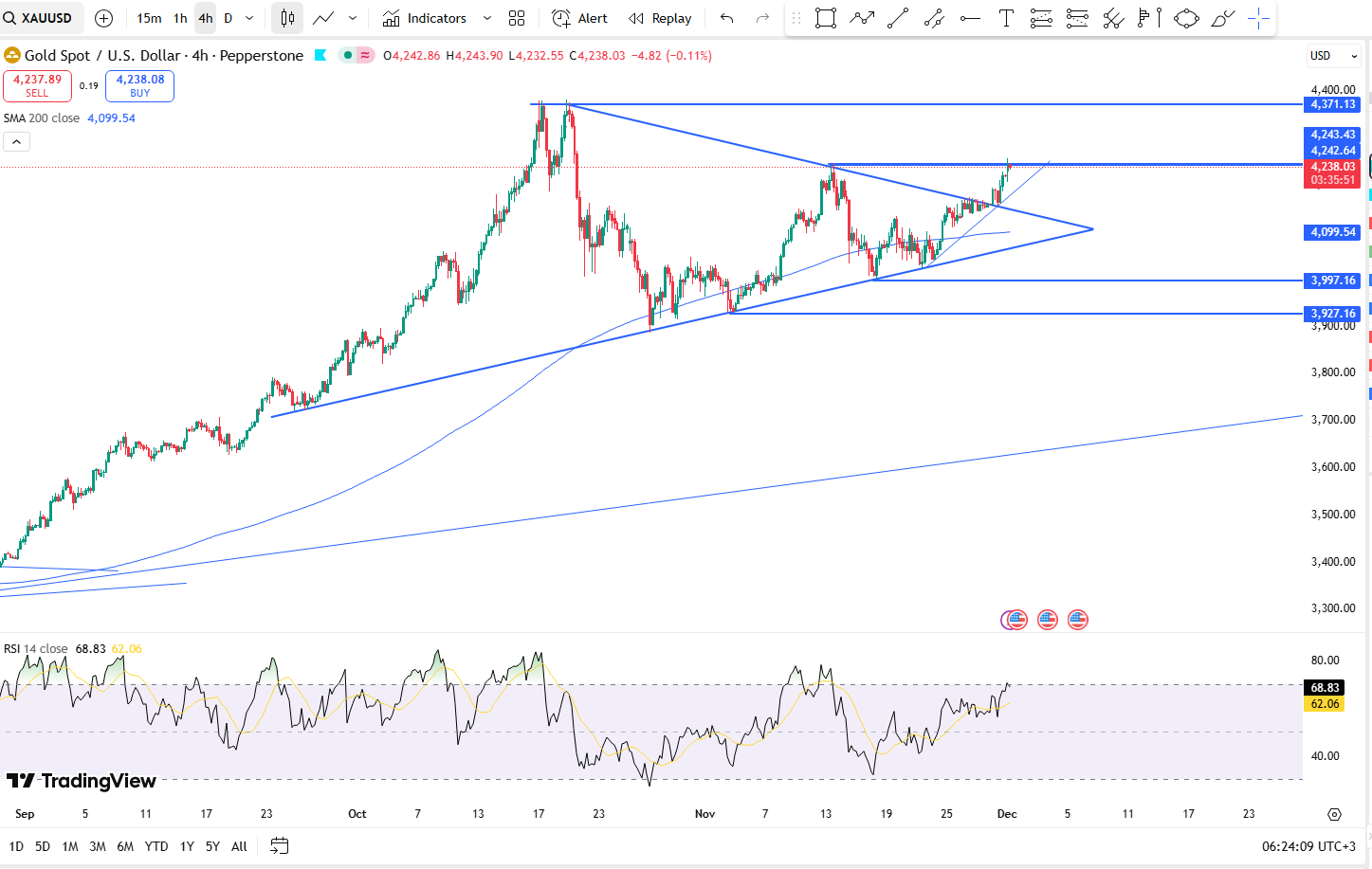
Gold climbed toward $4,240 per ounce on Monday, marking its strongest level in five weeks as traders increased bets on a US rate cut later in the month. Support came from a wave of dovish comments by Federal Reserve officials and soft economic data that followed the prolonged US government shutdown, reinforcing expectations of further policy easing.
Gold sees support near $4200, while resistance is around $4275.
| R1: 4275 | S1: 4200 |
| R2: 4320 | S2: 4120 |
| R3: 4280 | S3: 4000 |
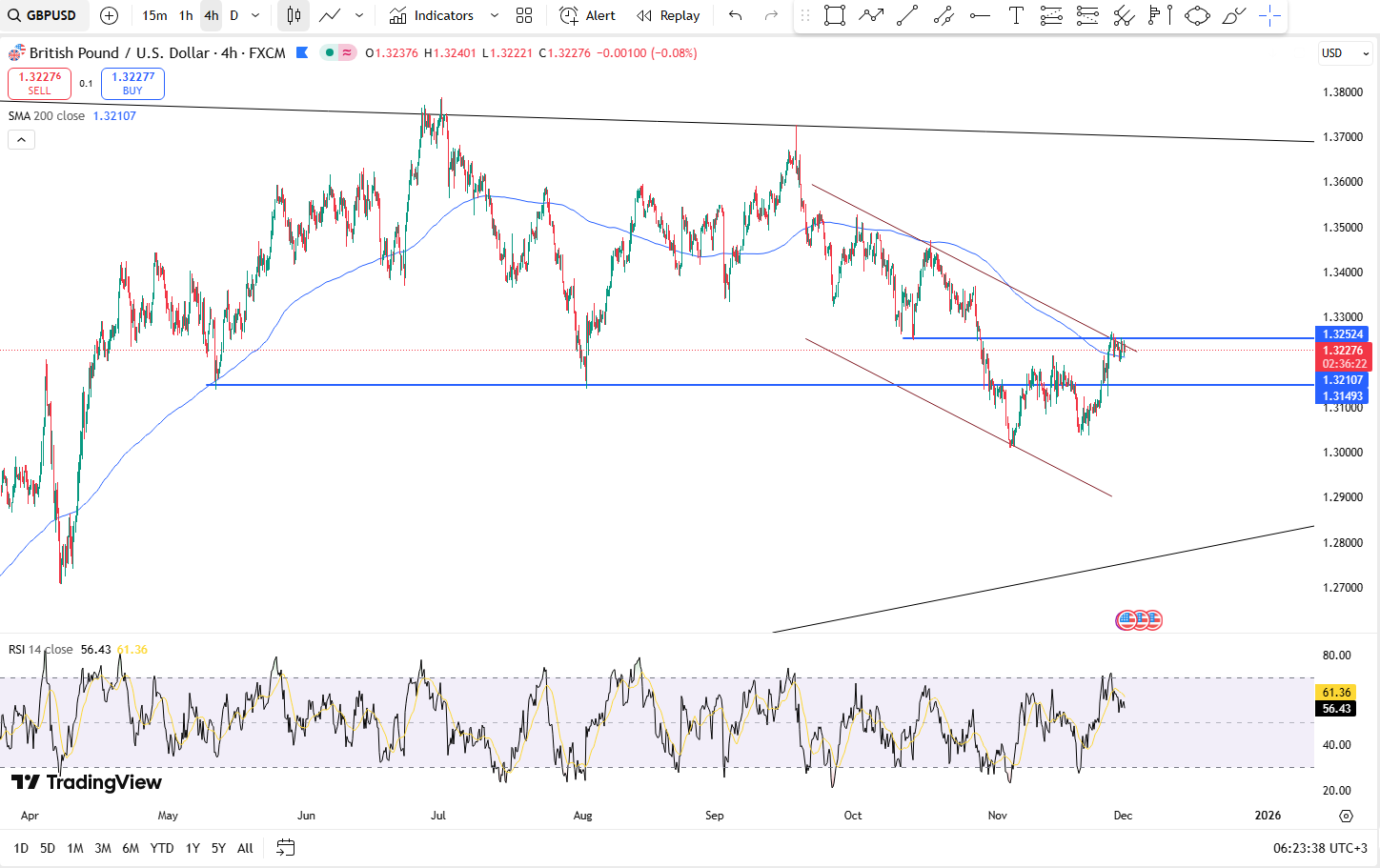
GBP/USD held near 1.3245 in Monday’s Asian session as investors continued digesting the UK Autumn Budget. Growing expectations of a December Fed rate cut are helping cushion downside risk, supported by easing inflation and the Fed’s decision to leave rates unchanged in November.
From a technical view, support stands near 1.3120, with resistance around 1.3260.
| R1: 1.3260 | S1: 1.3020 |
| R2: 1.3300 | S2: 1.2990 |
| R3: 1.3350 | S3: 1.2870 |
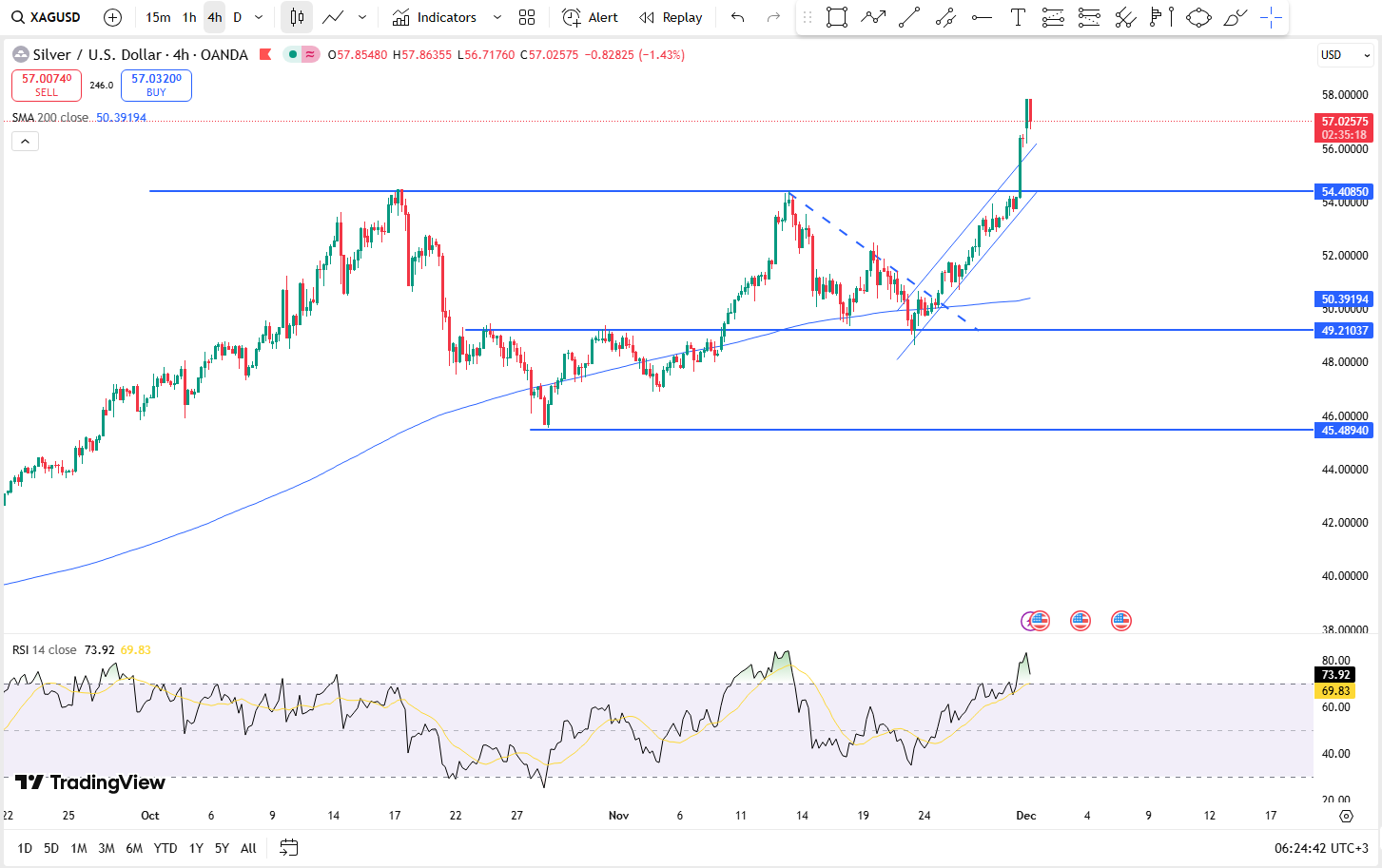
Silver (XAG/USD) reached a new record near $57.60 in Monday’s Asian session. Expectations firmed after reports that Kevin Hassett is the leading candidate for the next Fed chair, a choice seen as aligned with President Trump’s preference for lower rates. Since October, silver has been repeatedly testing all-time highs amid economic uncertainty, lower-rate prospects, and tight physical supply.
From a technical view, resistance stands near $57.90, while support is located around $55.80.
| R1: 57.90 | S1: 55.80 |
| R2: 59.25 | S2: 53.50 |
| R3: 61.00 | S3: 50.00 |
 Hormuz Blockade Rattles Markets (09 - 13 March)
Global sentiment was dominated this week by the second week of the war with Iran and the effective blockade of the Strait of Hormuz, driving Brent crude prices above $100/barrel. Despite a catastrophic US labor report showing a loss of 92,000 jobs in February, safe-haven demand pushed the US Dollar Index to 99.1. The energy shock has ignited fears of "stagflation," particularly in Europe and Japan, as soaring fuel costs threaten to reverse recent disinflationary trends.
Detail Oil Shock Drives Dollar Higher (03.09.2026)Global markets opened the week under pressure as escalating Middle East tensions and disruptions in the Strait of Hormuz pushed oil prices above $100 per barrel.
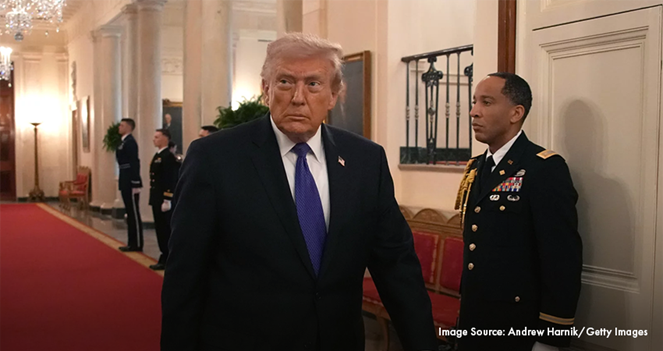 Trump Signals Extended Military Campaign
Geopolitical tensions in the Middle East have intensified following recent remarks from Donald Trump suggesting that the ongoing military campaign against Iran may last longer than anticipated. While Trump stated that early operational objectives were achieved ahead of schedule, he acknowledged that broader strategic goals could require additional time and sustained military pressure.
DetailThen Join Our Telegram Channel and Subscribe Our Trading Signals Newsletter for Free!
Join Us On Telegram!


