




Currency markets remained under pressure as energy-driven inflation concerns and ongoing geopolitical tensions continued to support the U.S. dollar.
The euro dropped to multi-month lows below $1.16 as traders adjusted expectations toward tighter European Central Bank policy. Meanwhile, the Japanese yen weakened toward an eighteen-month low near 159 as rising oil prices highlighted Japan’s vulnerability to energy disruptions. Precious metals struggled under the weight of a stronger dollar and rising yields, with gold slipping below $5,150 and silver pulling back toward $84. In contrast, sterling showed modest resilience above $1.34 as easing oil prices helped stabilize sentiment and reduced expectations for aggressive Bank of England rate cuts.
| Time | Cur. | Event | Forecast | Previous |
| 12:30 | USD | Initial Jobless Claims | 214K | 213K |
| 17:01 | USD | 30-Year Bond Auction | 4.750% |
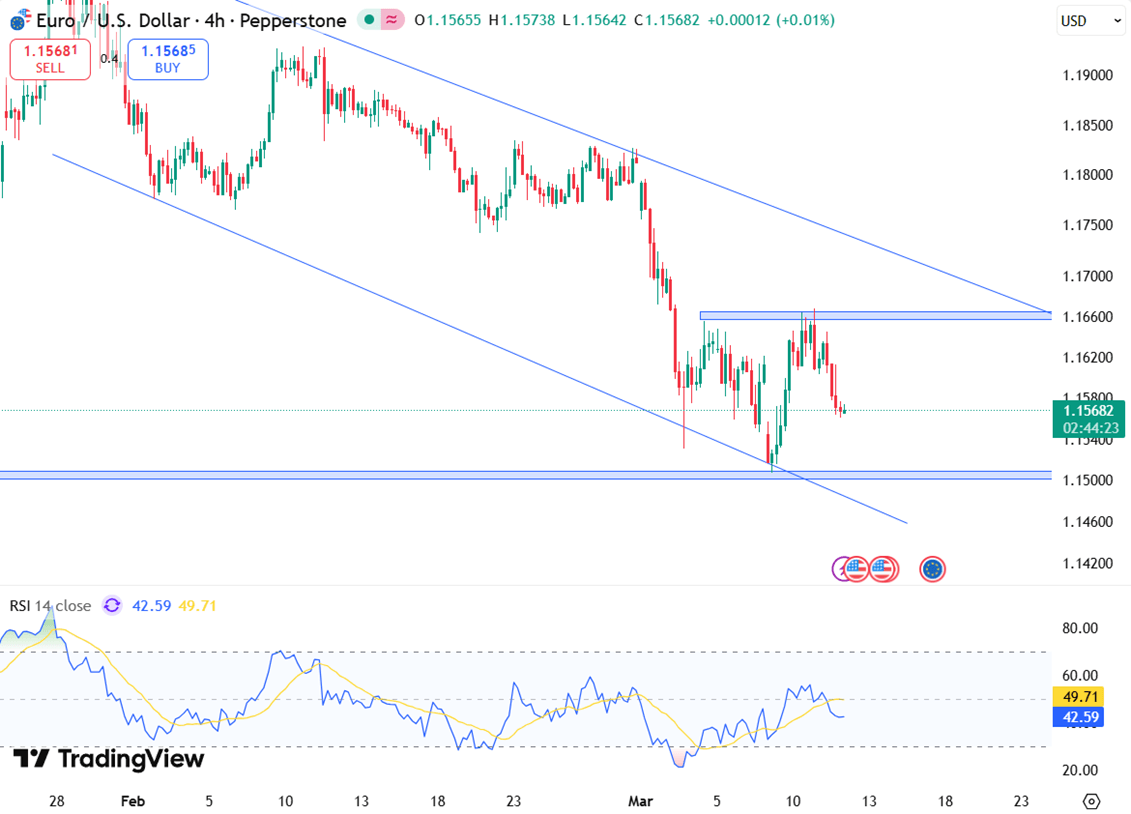
The euro slipped below $1.16, erasing earlier gains to reach its lowest level since November. This decline follows persistent geopolitical tensions and mounting inflation risks within the eurozone. Although oil prices remained under $90 per barrel after the IEA proposed a record release of emergency reserves, energy-driven inflation concerns still linger. Monetary policy expectations have turned hawkish. Traders are now pricing in at least one ECB rate hike for 2026, with some betting on two. President Christine Lagarde recently affirmed the bank's commitment to controlling rising prices.
For EUR/USD, the initial resistance is seen at 1.1630, while the closest support is positioned at 1.1500.
| R1: 1.1630 | S1: 1.1500 |
| R2: 1.1710 | S2: 1.1420 |
| R3: 1.1780 | S3: 1.1350 |
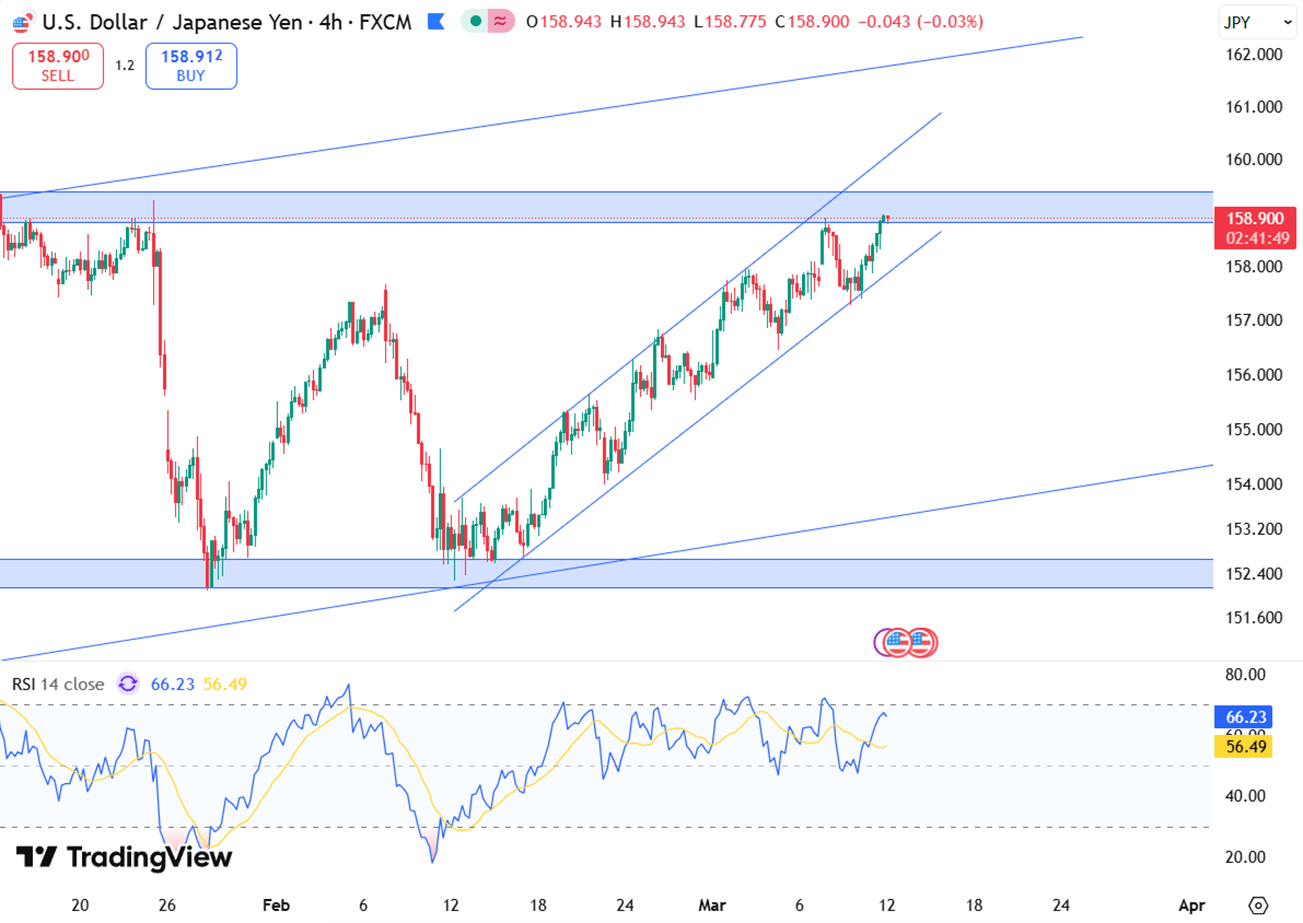
The Japanese yen weakened to approximately 159 per dollar on Thursday, approaching its lowest level in eighteen months. Rising crude prices continue to pressure Japan's import-dependent economy, as the Iran conflict overshadows global efforts to stabilize markets. Although the IEA approved a historic release of 400 million barrels of oil, including 80 million from Japan, heavy reliance on Middle Eastern energy keeps supply risks high. Now, traders are on high alert for potential government intervention as the yen reaches levels last seen during the July 2024 market action.
Technically, resistance stands near 159.50, while support is firm at 157.80.
| R1: 159.50 | S1: 157.80 |
| R2: 160.40 | S2: 156.70 |
| R3: 161.30 | S3: 155.80 |
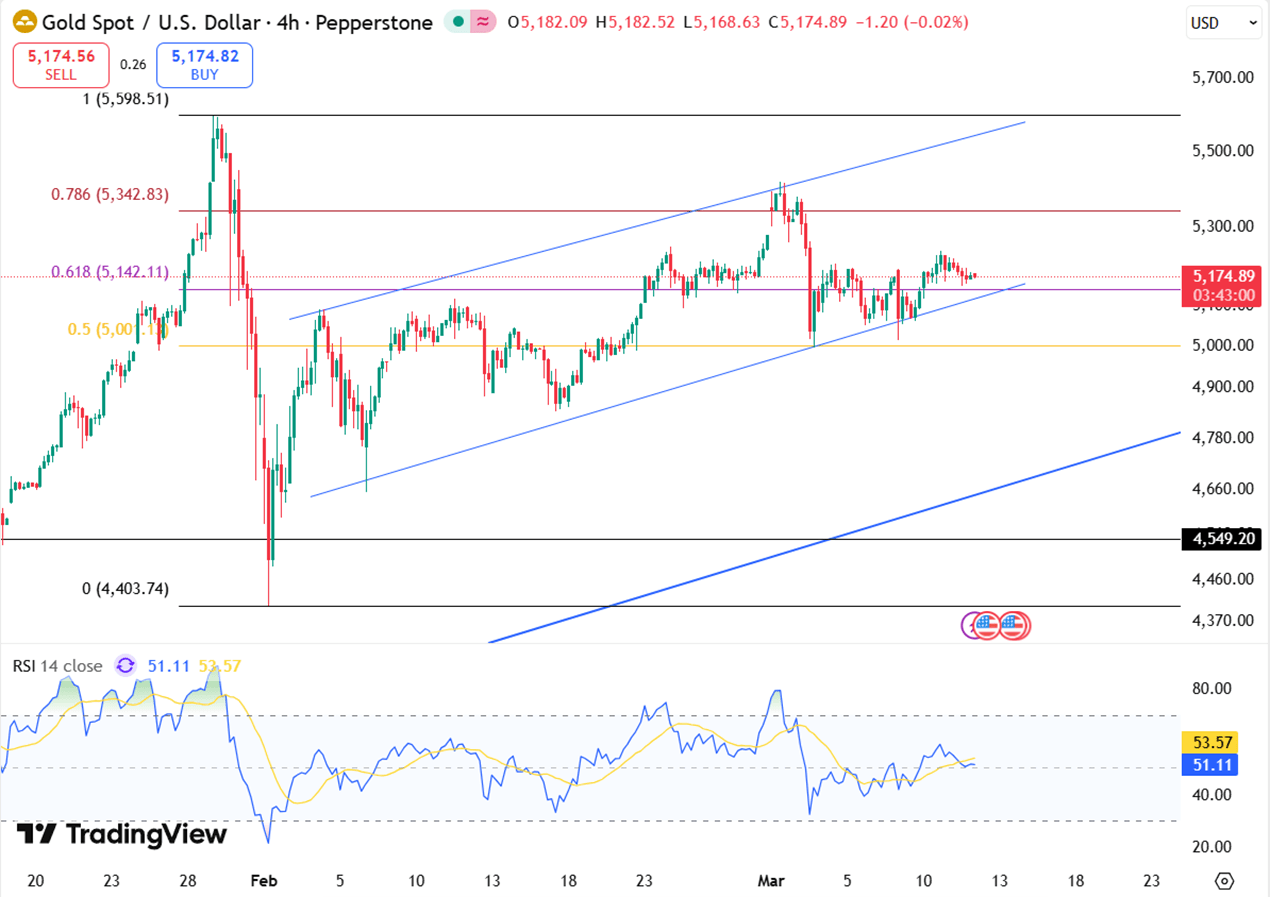
Gold prices fell below $5,150 per ounce on Thursday, marking a second day of losses. Rising crude prices from the Iran conflict have intensified inflation concerns, leading markets to believe the IEA's record 400-million-barrel reserve release may be insufficient. These fears, coupled with a stronger US dollar and climbing Treasury yields, have pressured the metal. Investors are now pricing in only one Federal Reserve rate cut for 2026. While US core inflation appeared stable in early reports, the EU recently warned that inflation could surge past 3%.
Gold sees support near $5070, while resistance is around $5240.
| R1: 5240 | S1: 5070 |
| R2: 5330 | S2: 5000 |
| R3: 5420 | S3: 4920 |
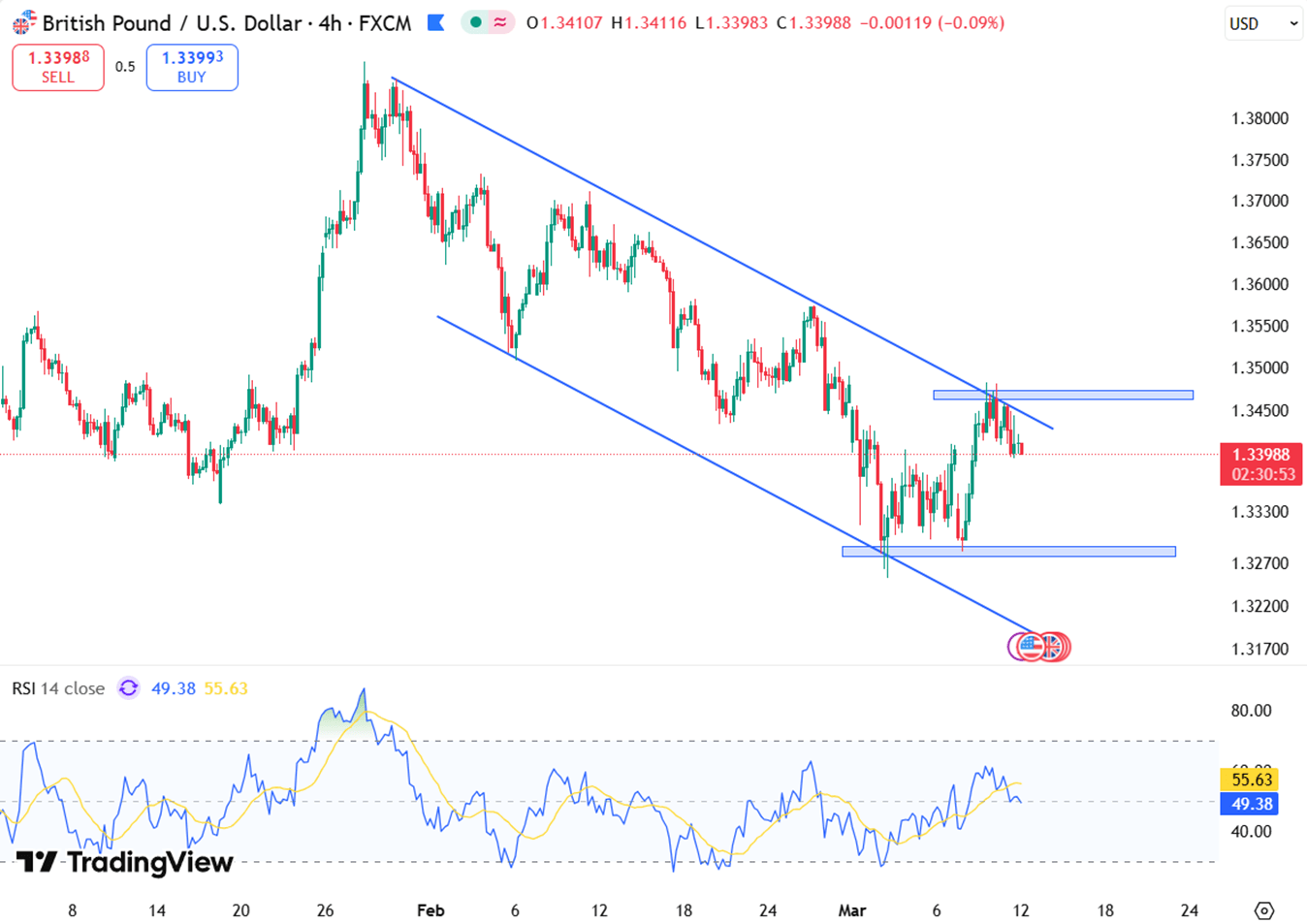
The British pound remained above $1.34, distancing itself from recent three-month lows as market sentiment improved. Investors have significantly scaled back expectations for aggressive Bank of England rate cuts in 2026. With oil prices holding below $90 per barrel following the IEA’s record reserve release, concerns regarding energy-driven inflation have eased. Money markets now anticipate only limited monetary easing this year, moving away from previous forecasts of two cuts. Traders are now focusing on the upcoming UK monthly GDP figures due this Friday.
From a technical view, support stands near 1.3330, with resistance around 1.3480.
| R1: 1.3480 | S1: 1.3330 |
| R2: 1.3550 | S2: 1.3280 |
| R3: 1.3600 | S3: 1.3220 |
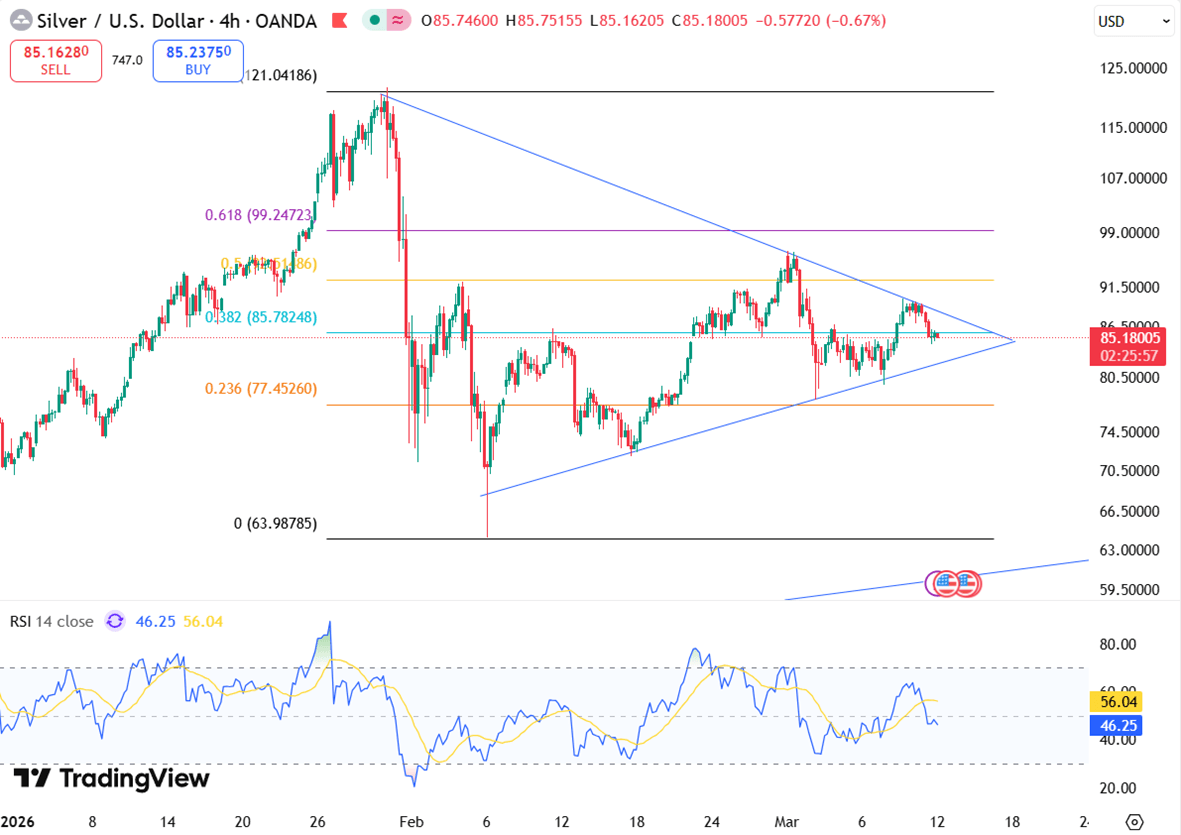
Silver prices retreated toward $84 per ounce on Thursday, extending losses as inflation concerns dampened hopes for interest rate cuts. Despite strategic reserve releases, rising oil prices continue to fuel energy-driven inflation fears, which have largely eclipsed safe-haven demand from the Iran conflict. A stronger US dollar and climbing Treasury yields further pressured the non-yielding metal, even as February inflation data aligned with expectations. Although silver has experienced this recent pullback, it maintains a strong gain of over 18% since the start of 2026.
From a technical view, resistance stands near $87.10 while support is located around $83.50.
| R1: 87.10 | S1: 83.50 |
| R2: 89.40 | S2: 81.00 |
| R3: 92.50 | S3: 79.70 |
Global markets remained cautious as investors weighed the economic impact of the ongoing Middle East conflict and volatile energy prices.
Currency markets remained volatile as ongoing Middle East tensions continued to shape global sentiment.
Then Join Our Telegram Channel and Subscribe Our Trading Signals Newsletter for Free!
Join Us On Telegram!


