


Global markets remained defensive as stalled U.S.–Iran negotiations and persistent Middle East tensions continued to fuel inflation concerns and strengthen the dollar.
EUR/USD hovered near 1.1650 as elevated energy prices reinforced expectations for prolonged restrictive monetary policy. Gold and silver extended losses amid rising U.S. inflation and fading hopes for Federal Reserve rate cuts, while the Japanese yen weakened under pressure from higher oil costs and broad dollar strength. Sterling also slipped to multi-week lows as UK political instability added further pressure to the currency outlook.
| Time | Cur. | Event | Forecast | Previous |
| 11:00 | EUR | ECB Economic Bulletin | ||
| 16:15 | USD | Industrial Production (YoY) Apr | 0.74% |
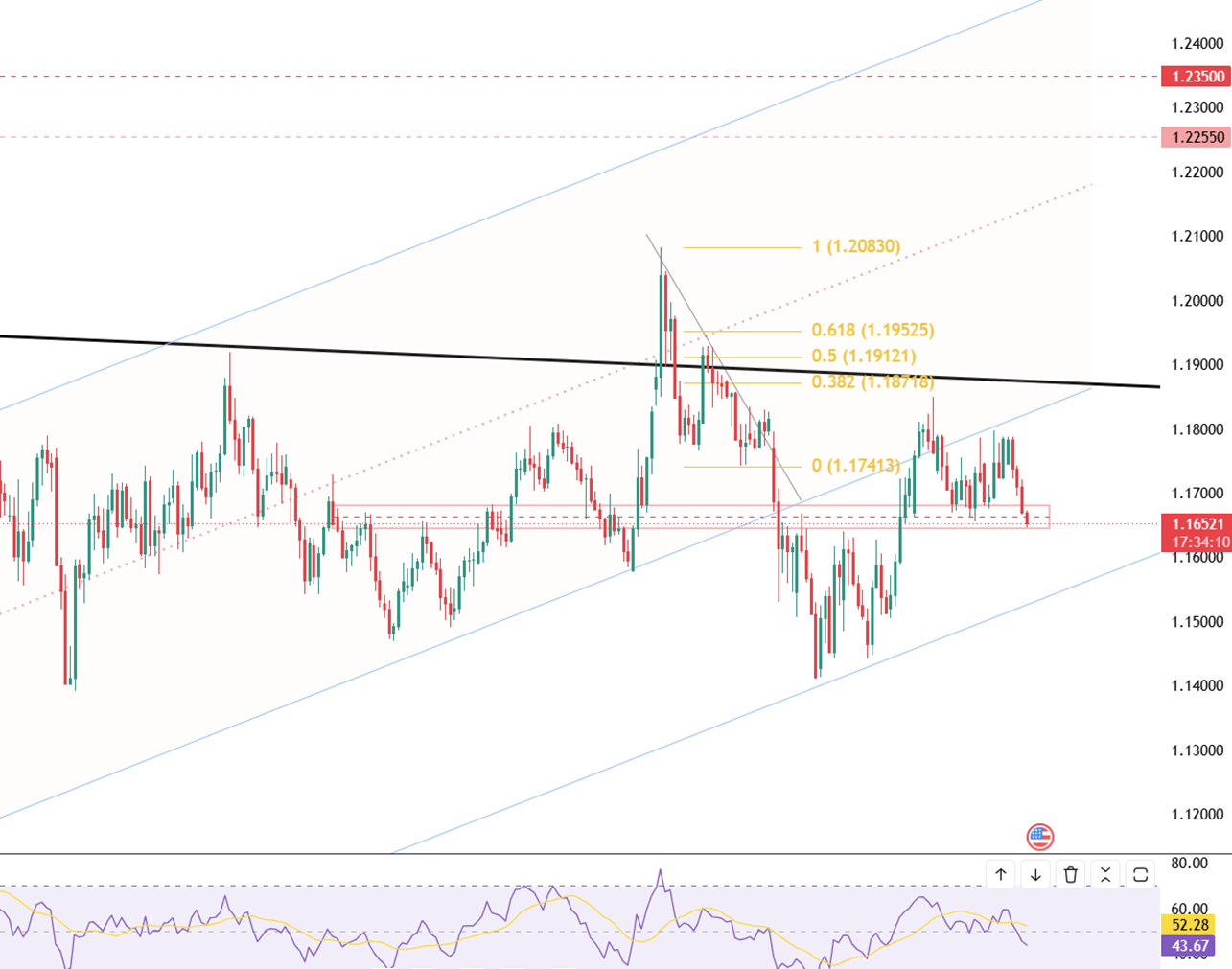
EUR/USD is trading near 1.1650 as investors assess frozen U.S.–Iran negotiations and persistent geopolitical friction. The stalemate in peace talks keeps energy costs elevated, which feeds inflation expectations and complicates the monetary policy outlook. This prolonged uncertainty continues to strengthen the U.S. dollar, keeping the euro under pressure.
For EUR/USD, the initial resistance is seen at 1.1770, while the closest support is positioned at 1.1610.
| R1: 1.1770 | S1: 1.1610 |
| R2: 1.1780 | S2: 1.1550 |
| R3: 1.1880 | S3: 1.1500 |
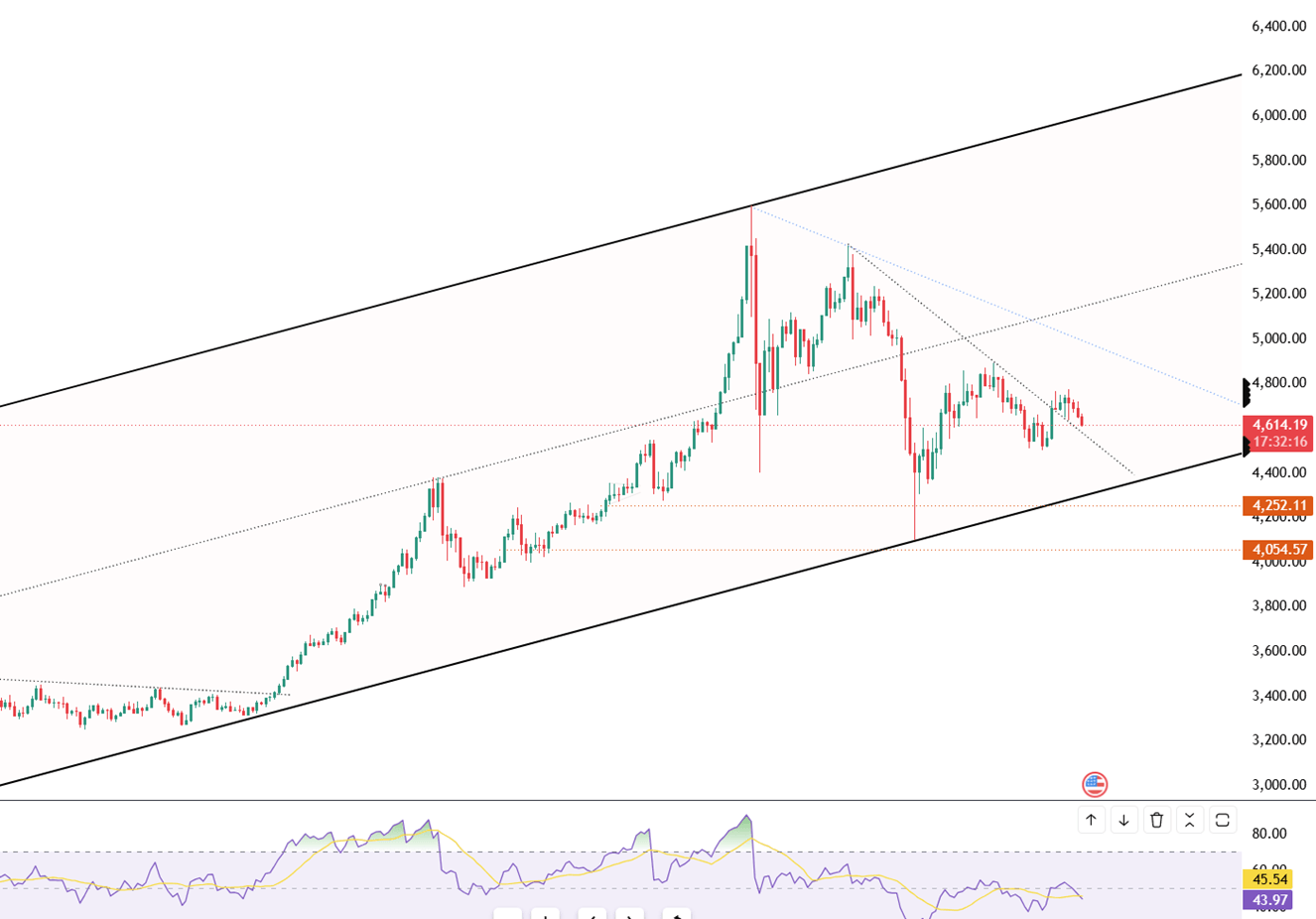
Gold declined toward $4,600 per ounce this Friday, marking a 2% weekly loss. Surging U.S. inflation data, fueled by Middle East instability and Strait of Hormuz disruptions, has solidified expectations for high interest rates. With the Federal Reserve unlikely to cut rates in 2026, some investors are now pricing in a December hike to combat persistent geopolitical and price pressures.
First resistance is seen at $4640, with initial support near $4580.
| R1: 4640 | S1: 4580 |
| R2: 4770 | S2: 4500 |
| R3: 4840 | S3: 4420 |
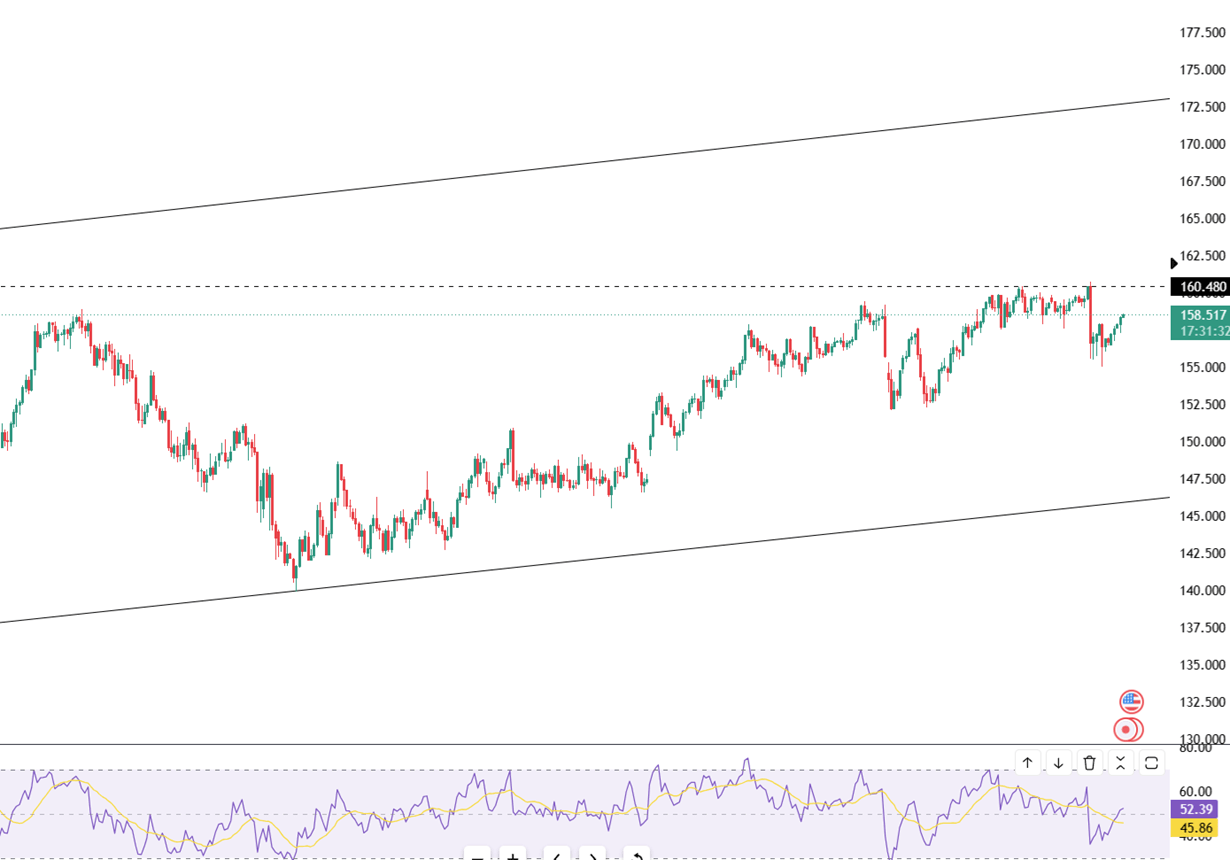
The Japanese yen dropped to approximately 158.5 on Friday, capping a weekly decline of over 1%. A strong U.S. dollar and intensifying inflation expectations have solidified the case for continued Federal Reserve tightening. Simultaneously, high oil prices due to Middle East conflict pressure Japan’s import dependent economy, even as BOJ officials signal gradual rate hikes to manage domestic inflation.
Initial resistance stands at 158.75, while the first support is located at 156.80.
| R1: 158.75 | S1: 156.80 |
| R2: 150.00 | S2: 155.20 |
| R3: 161.80 | S3: 154.00 |
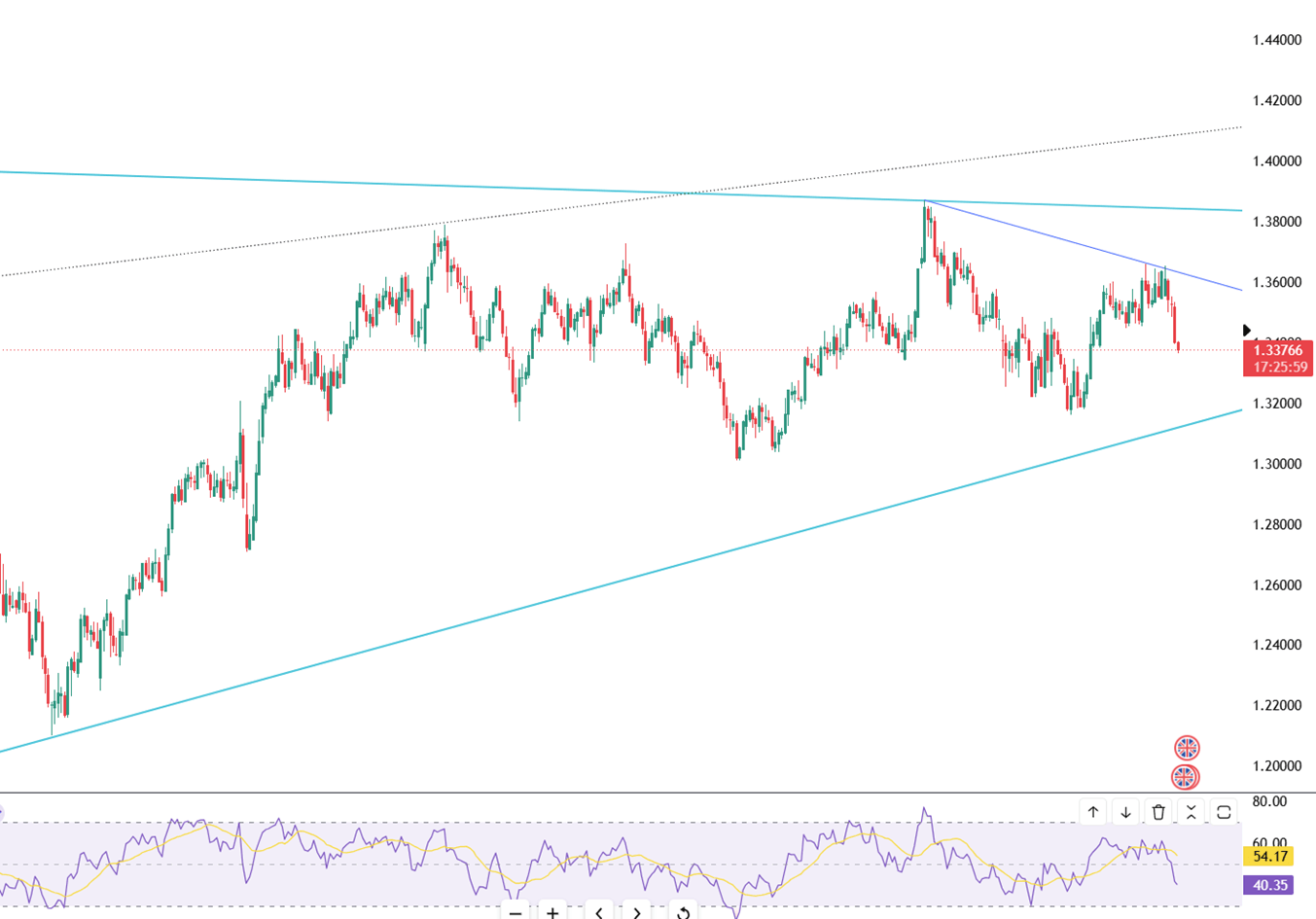
GBP/USD declined to 1.3368 as a dominant U.S. dollar and intensifying UK political instability weighed on the pound. Strong U.S. economic data supports the Federal Reserve’s restrictive policy stance, overshadowing recent UK growth of 0.6%. Ongoing domestic fiscal concerns continue to fuel volatility, keeping the pair under significant pressure.
From a technical view, resistance stands near 1.3400, with support around 1.3340.
| R1: 1.3400 | S1: 1.3340 |
| R2: 1.3470 | S2: 1.3270 |
| R3: 1.3610 | S3: 1.3140 |
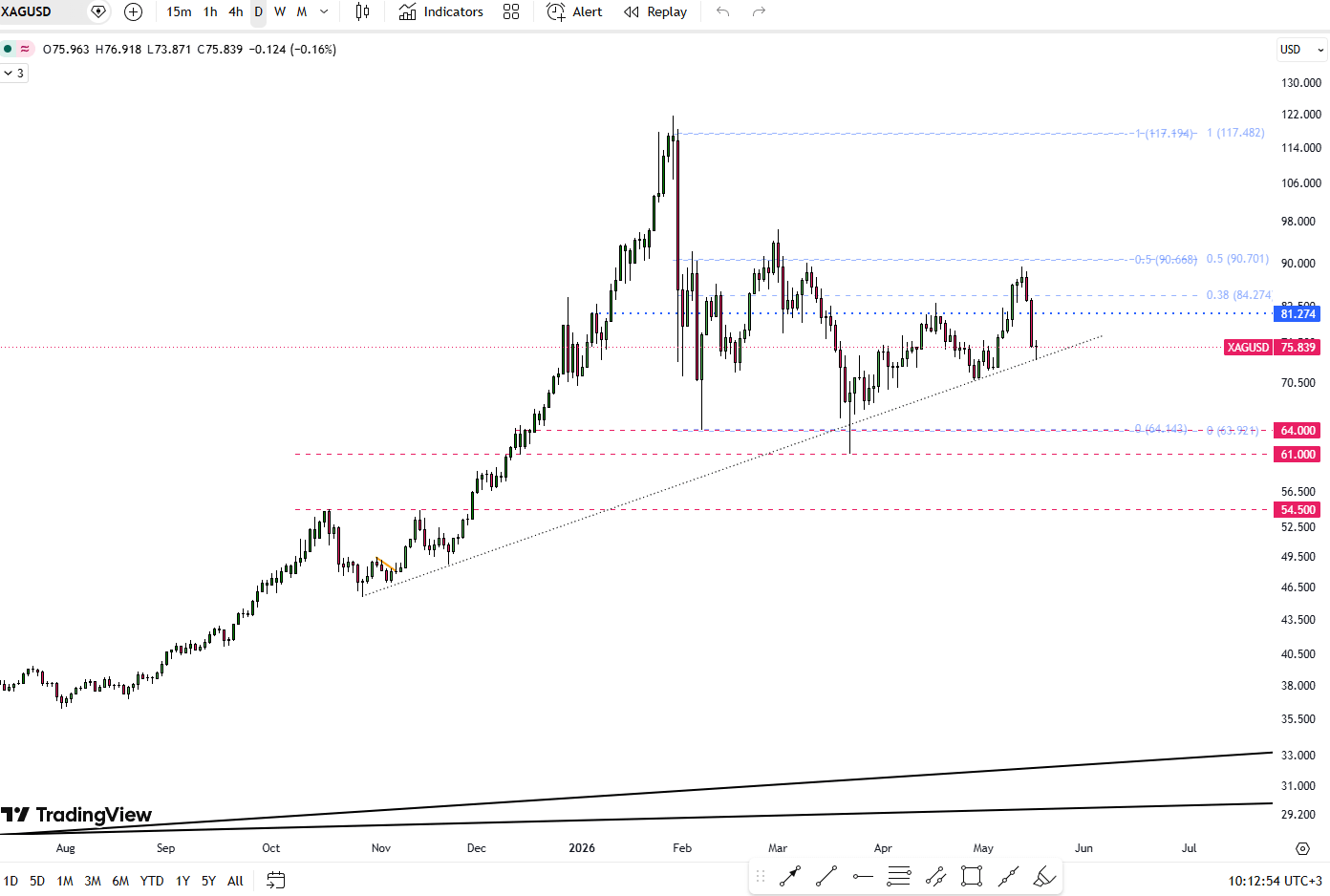
Silver declined toward $81 per ounce on Friday, marking its second straight day of losses. This retreat follows broader weakness in precious metals as surging U.S. inflation data, the strongest in years, fuels expectations for prolonged high interest rates. With energy disruptions in the Middle East driving prices higher, markets have abandoned hopes for Federal Reserve rate cuts in 2026, favoring a stronger dollar instead.
From a technical view, resistance stands near $84.20 while support is located around $80.00.
| R1: 84.20 | S1: 80.00 |
| R2: 87.80 | S2: 78.20 |
| R3: 89.40 | S3: 76.30 |
Easing oil prices and retreating Treasury yields (around 5.23% ) provided some relief to financial markets as improving US-Iran diplomatic prospects reduced immediate inflation concerns.
Hawkish Federal Reserve meeting minutes reinforced expectations for another rate hike this year, pushing Treasury yields higher and supporting the US dollar.
Oil inventories are nearing depletion, increasing supply risks and supporting prices. Aramco estimates less than 6 billion barrels remain after over 1 billion barrels were drawn this year, while the IEA is preparing a 100-million-barrel release. The US 10-year Treasury yield stabilized near 5.31% on Wednesday, close to 24-year peaks, as markets awaited the Fed's minutes.
Then Join Our Telegram Channel and Subscribe Our Trading Signals Newsletter for Free!
Join Us On Telegram!


