




Global markets remain dominated by geopolitical risk as escalating conflict between the United States, Israel, and Iran fuels a strong shift toward safe-haven assets. The dollar index hit 99.3 Wednesday, rising for a third day as conflict concerns fueled inflation and shifted Fed rate cut expectations from July to September.
The U.S. dollar strengthened sharply, pushing the euro to year-to-date lows near $1.16 and keeping the yen weak as rising energy costs lifted inflation expectations. Disruptions in the Strait of Hormuz and halted Qatari LNG exports have intensified concerns about global energy supply, complicating central bank outlooks across Europe and the UK.
Precious metals reflected the heightened uncertainty, with gold recovering above $5,100 and silver rebounding strongly as investors sought protection amid the possibility of a prolonged conflict and delayed Federal Reserve rate cuts.
| Time | Cur. | Event | Forecast | Previous |
| 50K | 22K | |||
| 52.3 | 52.7 | |||
| 66.6 | ||||
| 53.5 | 53.8 | |||
| 15.989M |

The euro remains under pressure near $1.16, its lowest level since mid-January, as safe-haven demand strengthens the U.S. dollar. This shift follows President Trump’s statement that military operations against Iran could last five weeks or longer. Compounding the pressure, the closure of the Strait of Hormuz and suspended Qatari LNG exports are driving energy prices higher, threatening Eurozone inflation. With February core inflation at 2.4%, markets now see a 40% chance of an ECB rate hike by year-end, a sharp reversal from previous rate-cut expectations.
For EUR/USD, the initial resistance is seen at 1.1650, while the closest support is positioned at 1.1580.
| R1: 1.1650 | S1: 1.1580 |
| R2: 1.1720 | S2: 1.1500 |
| R3: 1.1770 | S3: 1.1450 |
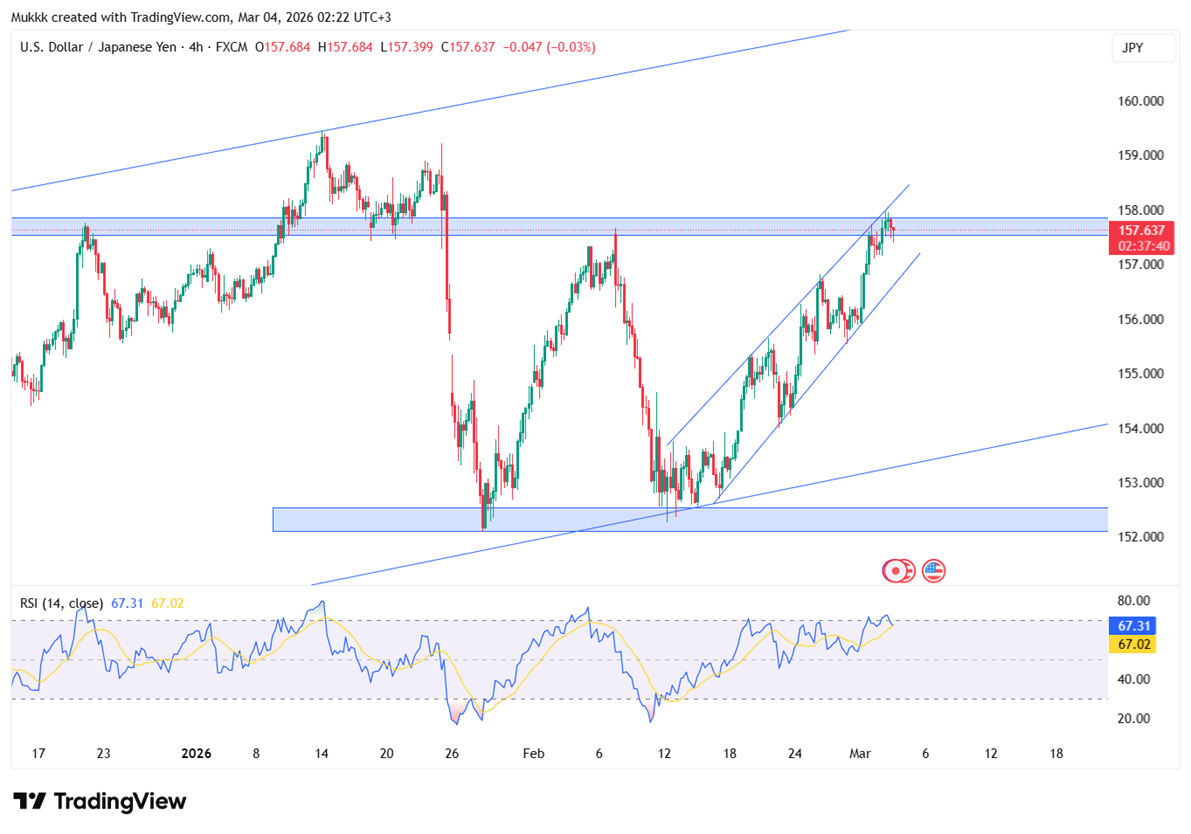
The Japanese yen remained weak near 157.6 per dollar on Wednesday as a surging USD and Middle East instability fueled global inflation fears. Rising energy costs have dampened expectations for Federal Reserve easing, with markets now pushing the projected timing of the first rate cut back from July to September.
Technically, resistance stands near 158.60, while support is firm at 157.10.
| R1: 158.60 | S1: 157.10 |
| R2: 159.40 | S2: 156.40 |
| R3: 160.00 | S3: 155.40 |
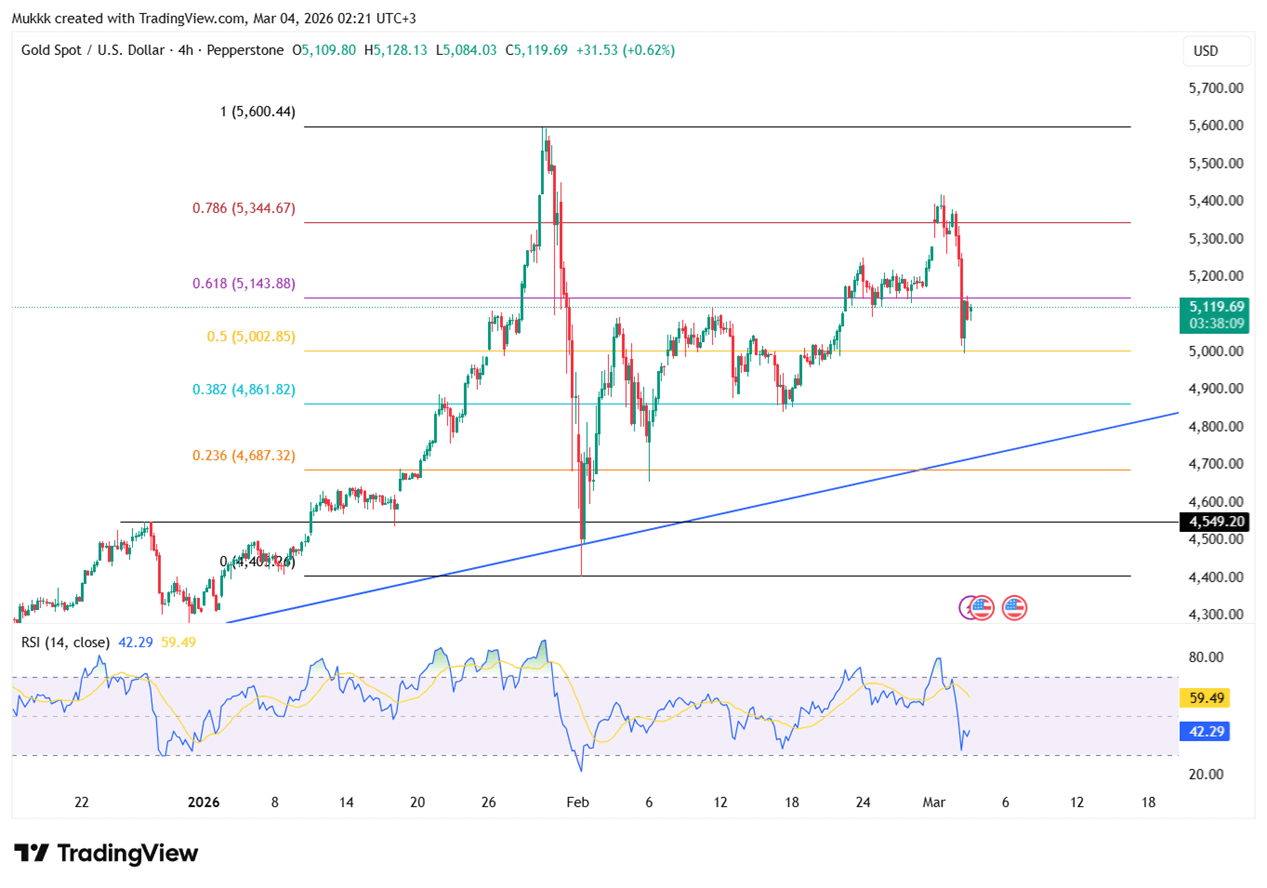
Gold climbed back above $5,100 per ounce on Wednesday, recovering from a 4% drop as the U.S. and Iran conflict entered its fourth day. Market attention shifted to reports of Israeli strikes on a clerical gathering in Tehran, while President Trump cautioned that a new Iranian leadership could remain hostile. To mitigate economic anxiety, Trump announced that the U.S. will provide naval escorts and insurance for tankers in the Strait of Hormuz. Despite the rebound, a stronger dollar and shifting Fed rate expectations, driven by energy-linked inflation, continue to influence the broader outlook for bullion.
Gold sees support near $5050, while resistance is around $5200.
| R1: 5200 | S1: 5050 |
| R2: 5280 | S2: 4960 |
| R3: 5370 | S3: 4880 |
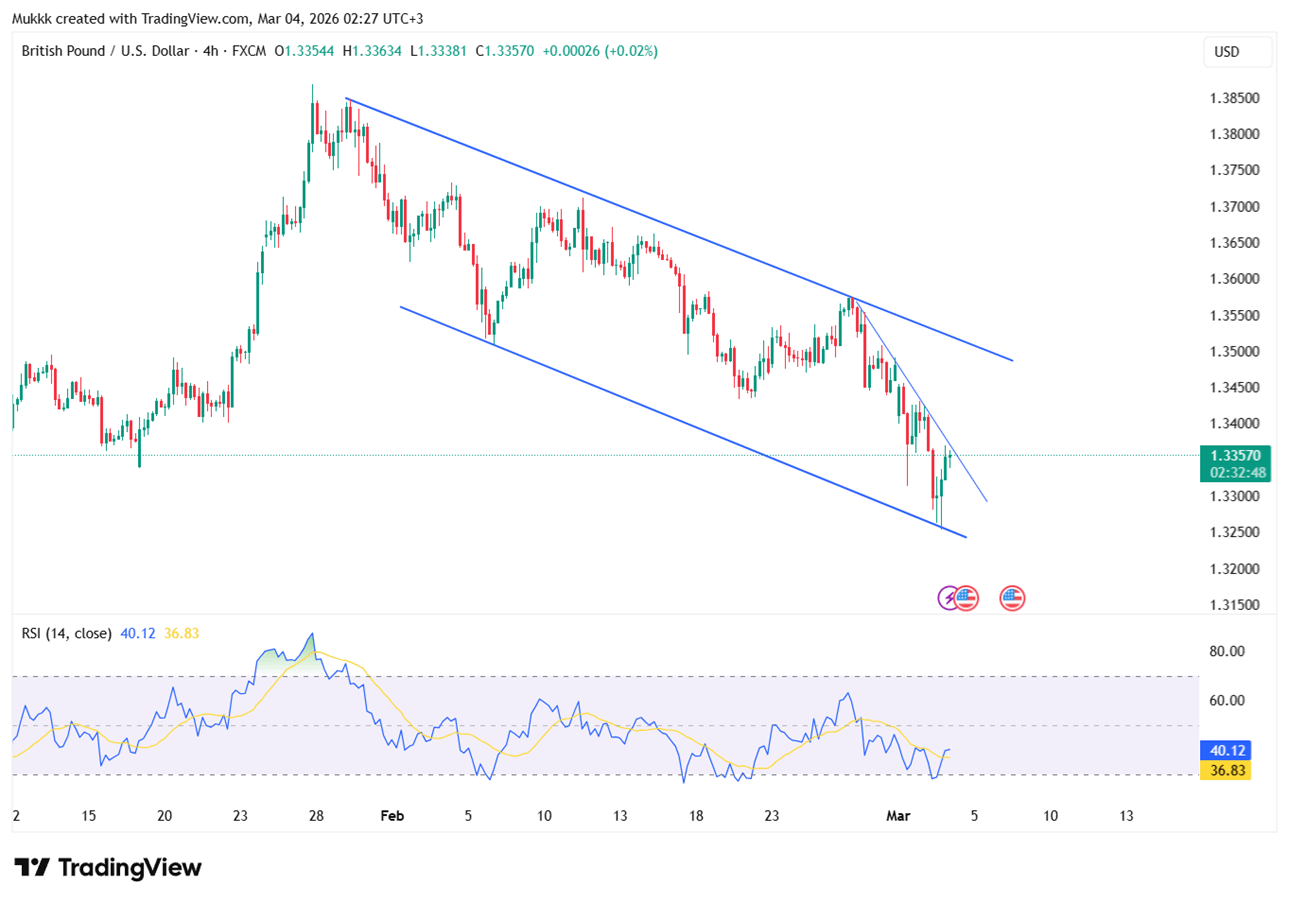
The British pound declined toward $1.33, hitting its weakest point since early December as the U.S. dollar gained on safe-haven demand. Sterling faced additional pressure after Chancellor Rachel Reeves downgraded UK economic growth forecasts. Meanwhile, President Trump suggested the military campaign against Iran could last five weeks or more, further unsettling global markets. Although the closure of the Strait of Hormuz and halted Qatari LNG exports are driving energy costs higher, these inflationary risks may force the Bank of England into a more hawkish policy stance.
From a technical view, support stands near 1.3250, with resistance around 1.3440.
| R1: 1.3440 | S1: 1.3250 |
| R2: 1.3530 | S2: 1.3140 |
| R3: 1.3580 | S3: 1.3030 |

Silver rose more than 2% to trade above $84 per ounce on Wednesday after declining for two consecutive sessions. The increase came as investors reacted to rising tensions in the Middle East and concerns that the conflict could become prolonged. The US-Israeli war involving Iran entered its fifth day, with Israel reportedly striking a building where clerics had gathered to discuss the election of a new Supreme Leader. US President Donald Trump warned that the attacks could lead to a new Iranian leadership that might be as problematic as the previous regime, highlighting the uncertainty surrounding the conflict.
From a technical view, resistance stands near $85.30 while support is located around $81.00.
| R1: 85.30 | S1: 81.00 |
| R2: 87.70 | S2: 79.30 |
| R3: 91.50 | S3: 76.80 |
A US court rejected Trump's tariff refund delay as the Dollar (98.5) and 10 year yield (4.04%) held gains amid Middle East escalation and inflation fears.
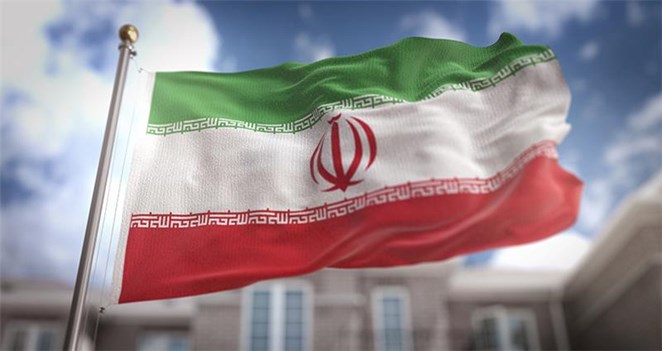 After Khamenei: Who Will Lead Iran Next?
Following the death of Supreme Leader Ali Khamenei, Iran has entered a pivotal transition phase. Senior officials in Tehran are acting swiftly to uphold the existing structure of the Islamic Republic, prioritizing continuity to head off potential internal instability. Despite these efforts, the sudden leadership vacuum has sparked intense political and military maneuvering behind the scenes.
DetailThen Join Our Telegram Channel and Subscribe Our Trading Signals Newsletter for Free!
Join Us On Telegram!


