


The financial markets saw significant movements, with EUR/USD consolidating near 1.0380 with limited upside potential.
The Japanese yen surged past 154 per dollar based on strong wage data and expectations of further tightening of the Bank of Japan. Gold reached a record high above $2,850, fueled by US-China trade war fears and rising Fed rate cut expectations. GBP/USD remained range-bound as traders awaited the Bank of England's policy decision, while silver climbed above $31.5, supported by manufacturing data and projected supply deficits.
| Time | Cur. | Event | Forecast | Previous |
| 12:00 | EUR | Euro Area Services PMI | 51.4 | 51.1 |
| 12:00 | EUR | Euro Area Composite PMI | 50.2 | 51.6 |
| 16:15 | USD | United States ADP Employment Change | 120.0K | 122K |
| 17:45 | USD | United States Services PMI | 52.8 | 56.8 |
| 18:00 | USD | United States ISM Services PMI | 54 | 54.1 |
| 18:30 | United States Crude Oil Stocks Change | 3.463M |
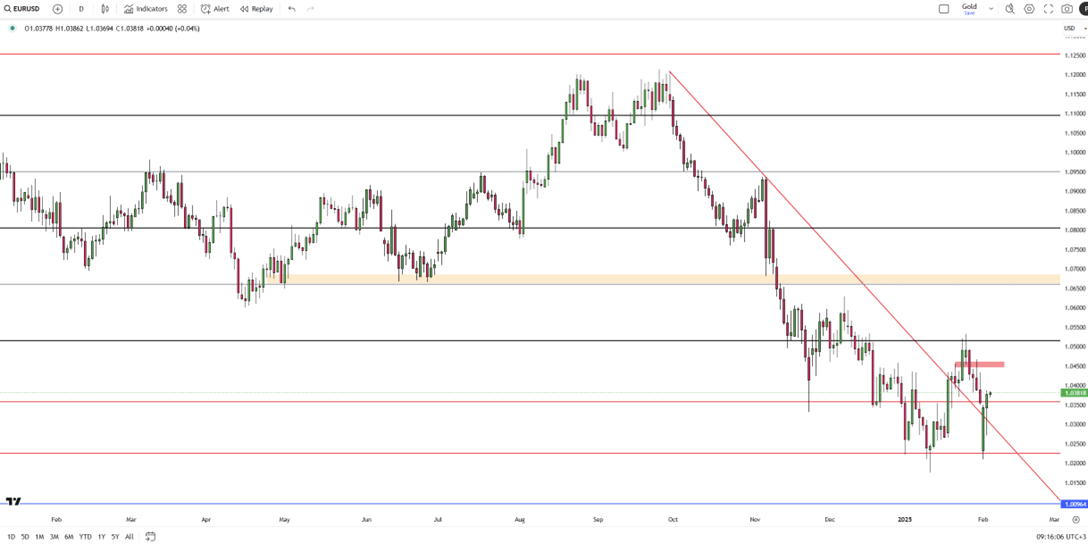
The EUR/USD pair is struggling to sustain its recovery from the 1.0200 area, the lowest since January 13, and is fluctuating near Wednesday’s weekly high around 1.0375-1.0380, showing little change amid mixed economic signals.
Tuesday’s JOLTS report signaled a US labor market slowdown, reinforcing expectations of two Fed rate cuts this year. A risk-on mood keeps the USD near its weekly low, supporting EUR/USD, but concerns over potential US tariffs on EU goods and the ECB’s dovish stance, despite a 2.5% YoY rise in Eurozone HICP for January, limit upside potential.
Traders await the final Eurozone Services PMI, while the US calendar features the ADP private-sector employment report, ISM Services PMI, and Fed speeches, influencing USD demand. However, Friday’s US NFP report remains the key focus.
Technically, resistance levels are at 1.0410, 1.0460, and 1.0515, while support stands at 1.0350, 1.0220, and 1.0180.
| R1: 1.0410 | S1: 1.0350 |
| R2: 1.0460 | S2: 1.0220 |
| R3: 1.0515 | S3: 1.0180 |
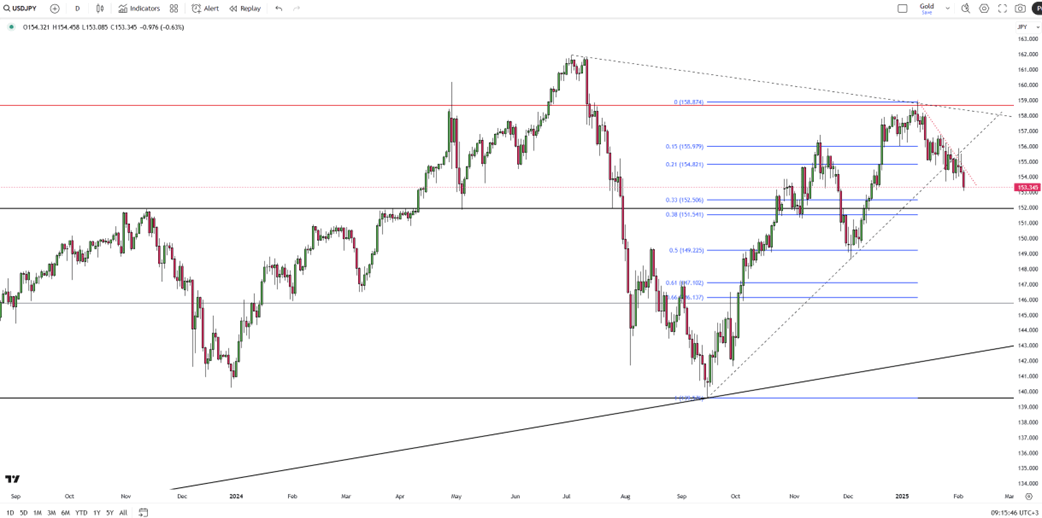
The Japanese yen strengthened past 154 per dollar on Wednesday, its highest in seven weeks, as strong wage and services data fueled expectations of a more aggressive Bank of Japan policy. Japan’s real wages rose for a second month in December, with nominal wage growth hitting a nearly 30-year high due to winter bonuses. The January services PMI was revised up to 53 from 52.7.
In January, the Bank of Japan raised interest rates and signaled openness to further hikes if economic and inflation trends align. Externally, the yen gained as the US dollar weakened after Washington delayed tariffs on Mexico and Canada, while trade tensions with China eased.
Key resistance stands at 155.90, with potential targets at 158.70 and 160.00. Support is at 153.00, followed by 151.90 and 149.20.
| R1: 155.90 | S1: 153.00 |
| R2: 158.70 | S2: 151.90 |
| R3: 160.00 | S3: 149.20 |
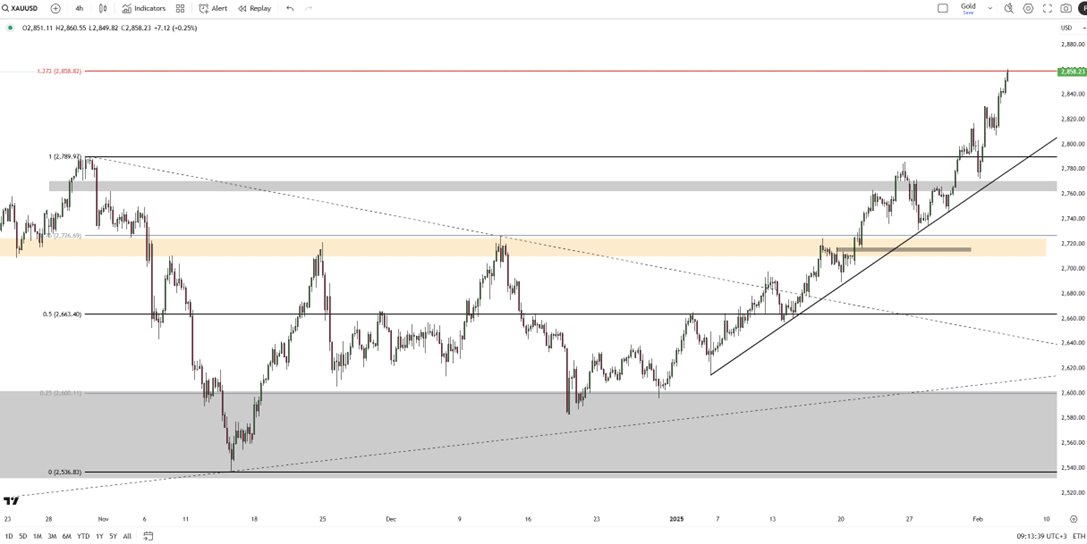
Gold surged past $2,850 per ounce, hitting a record high as investors turned to reliable long-term assets with fears that the US-China trade war could slow global growth. While President Trump delayed tariffs on Mexico and Canada, he imposed a 10% duty on Chinese imports, prompting Beijing to announce retaliatory tariffs on US energy products effective next week.
Adding to the uncertainty, Trump suggested US control over the Gaza Strip for reconstruction. Meanwhile, interest rate futures signaled rising expectations for two Fed rate cuts this year, a sharp shift from last month’s outlook. Weaker-than-expected job openings in the JOLTS report and a six-month low in factory orders reinforced this sentiment.
Technically, resistance levels stand at 2879, 2917, and 2950. Support is at 2830, followed by 2790 and 2760.
| R1: 2879 | S1: 2830 |
| R2: 2917 | S2: 2790 |
| R3: 2950 | S3: 2760 |
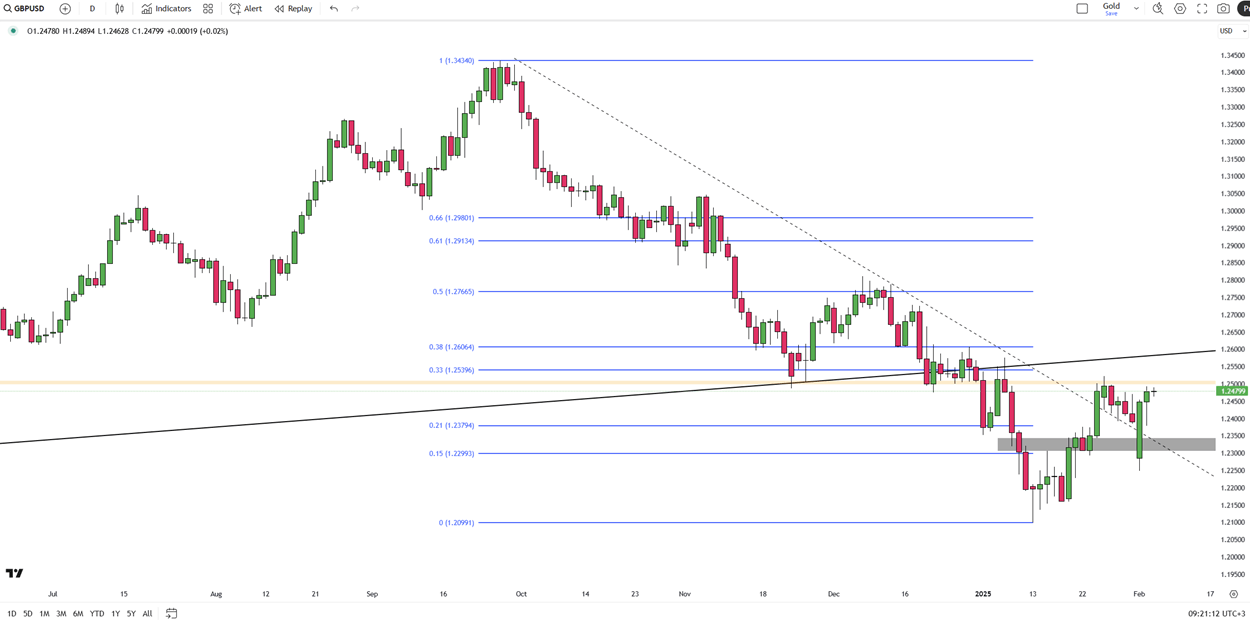
The USD Index (DXY) remains near its weekly low as expectations grow for further Fed monetary easing. Tuesday’s JOLTS report signaled a cooling US labor market, increasing speculation of rate cuts despite inflation concerns.
Global sentiment is positive after President Trump delayed tariffs on Canadian and Mexican imports, easing trade war fears. This risk-on mood weakens the USD’s safe-haven appeal while supporting GBP/USD. However, lingering US-China trade tensions and the Fed’s hawkish stance limit USD losses, keeping GBP/USD gains in check.
Traders await Thursday’s BoE policy meeting with key resistance levels at 1.2500, 1.2600, and 1.2650. Support stands at 1.2340, followed by 1.2265 and 1.2100.
| R1: 1.2500 | S1: 1.2340 |
| R2: 1.2600 | S2: 1.2265 |
| R3: 1.2650 | S3: 1.2100 |
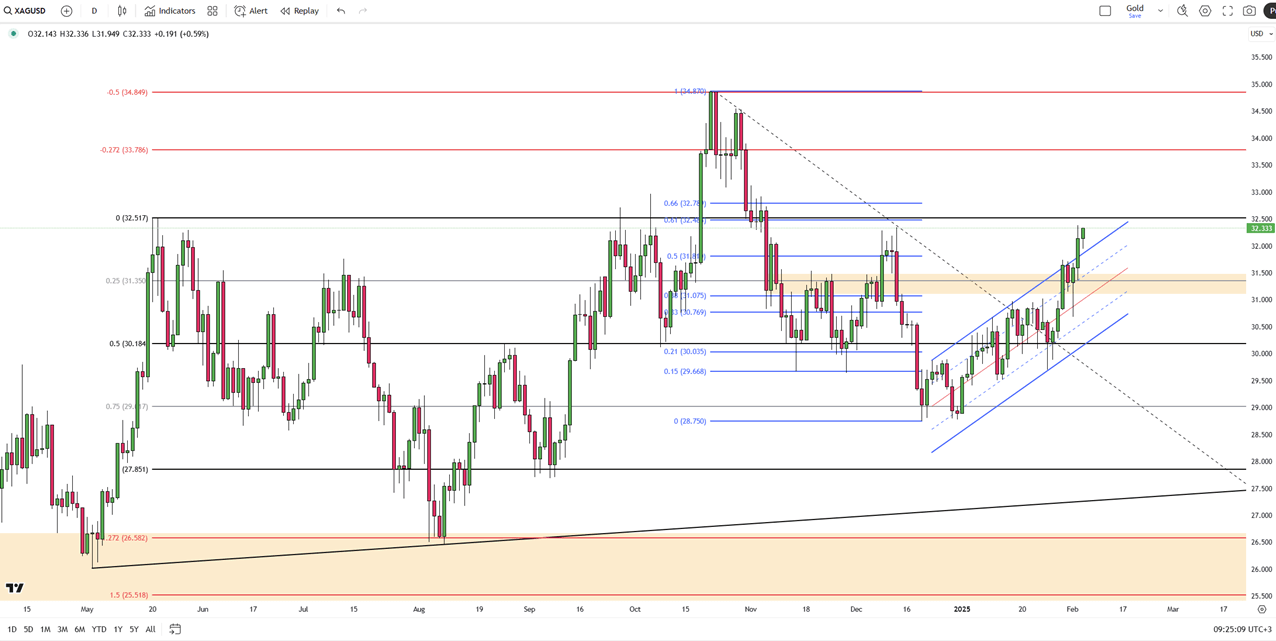
Silver rose above $31.5 per ounce, near its highest since early December, as easing trade war fears and strong manufacturing data stimulated demand. While Trump imposed 10% tariffs on China and 25% on Canada and Mexico, a delay in Mexico’s tariffs eased protectionist concerns. The ISM reported improving U.S. factory activity, reinforcing silver’s industrial demand outlook.
The Silver Institute projected a fifth market deficit in 2025, with strong industrial and retail investment demand outweighing weaker jewelry and silverware demand.
Key resistance levels are 32.50, 33.00, and 33.50. Support stands at 31.80, followed by 30.90 and 30.20.
| R1: 32.50 | S1: 31.80 |
| R2: 33.00 | S2: 30.90 |
| R3: 33.50 | S3: 30.20 |
 BOJ Takes Rates to a 31-Year High
The Bank of Japan raised its key short-term interest rate by 25 basis points to 1.25% in September, pushing borrowing costs to their highest level since April 1995 and taking another step away from decades of ultra-loose monetary policy.
Detail Fed Hike Sets the Tone for Markets (09.18.2026)Monetary policy remained a key driver at the end of the week following the Federal Reserve’s first rate hike since July 2023.
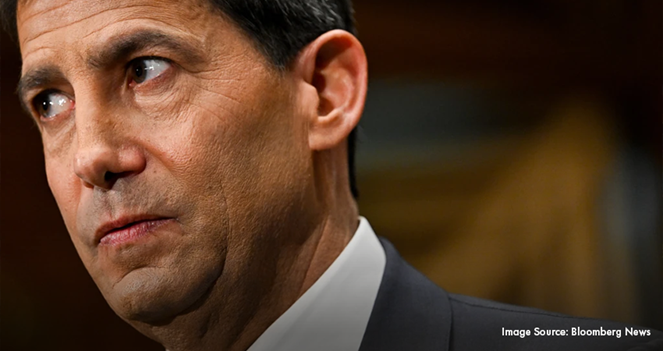 Fed Hikes to 4%, and It May Not Be Done
The Federal Reserve raised interest rates for the first time since 2023, delivering a unanimous 25 basis point increase to 3.75%–4.00% in September.
DetailThen Join Our Telegram Channel and Subscribe Our Trading Signals Newsletter for Free!
Join Us On Telegram!


