


December CPI rose 0.4%, driven by energy and food price increases, while core inflation slowed to 0.2%. Annual inflation stands at 2.9%.
The U.S. Consumer Price Index for All Urban Consumers (CPI-U) rose by 0.4% in December, following a 0.3% increase in November, according to the U.S. Bureau of Labor Statistics. Over the past 12 months, the CPI rose by 2.9%, reflecting a steady but controlled pace of inflation.
Energy prices jumped 2.6%, contributing to over 40% of the overall CPI increase. Gasoline prices rose by 4.4%, marking a major contributor to the energy index. Food prices increased by 0.3%, with both food at home and food away from home seeing matching gains.
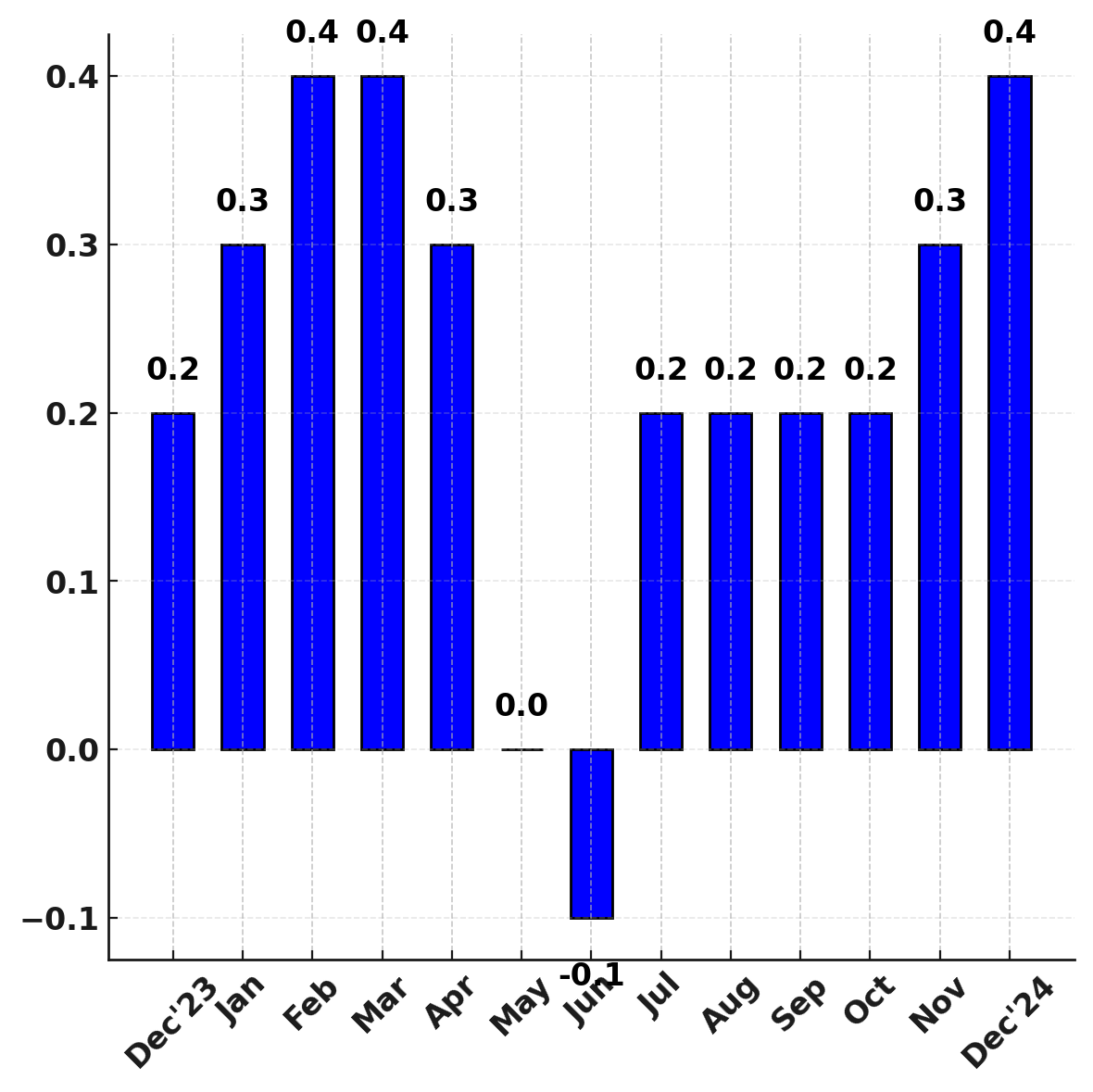
The core index rose by 0.2% in December, slightly lower than the 0.3% pace recorded over the previous four months.
Key price increases were noted in categories such as:
Meanwhile, declines were recorded in personal care, communication, and alcoholic beverages, providing some offset to overall inflation.
Traders should keep an eye on January's CPI report and other key economic indicators to assess whether inflationary pressures are easing or becoming more entrenched. Additionally, monitoring Fed statements on interest rate policy will be critical, especially if core inflation continues to trend lower.
 Fed, BOJ Hikes Lift Dollar as Oil Falls (21 – 25 September)
Global markets entered the week balancing tighter monetary policy against signs of easing Middle East energy risks. The Federal Reserve remains the main macro driver after raising rates to 3.75%–4.00%, its first hike since 2023, and signaling that another increase remains possible this year. The Dollar Index advanced to 100.4, while Treasury yields remained elevated. The Bank of Japan also tightened policy, raising rates to 1.25%, although dissent within the board suggested that future increases could come at a slower pace.
Detail Falling Oil Prices Support Metals (09.21.2026)Easing oil prices offered some relief to financial markets as renewed diplomatic efforts in the Middle East reduced immediate inflation concerns.
 BOJ Takes Rates to a 31-Year High
The Bank of Japan raised its key short-term interest rate by 25 basis points to 1.25% in September, pushing borrowing costs to their highest level since April 1995 and taking another step away from decades of ultra-loose monetary policy.
DetailThen Join Our Telegram Channel and Subscribe Our Trading Signals Newsletter for Free!
Join Us On Telegram!


