


Orders inched up 0.2% between May and July, suggesting some stabilization in the broader manufacturing trend.
Germany’s factory orders dropped by 2.9% monthly in July, a sharp contrast to market expectations of a 0.5% increase. This marked the third monthly decline and the steepest contraction since January. The fall was affected by a dramatic 38.6% plunge in large-scale orders, including aircraft, ships, trains, and military vehicles, after a one-off surge in June fueled by several major contracts.
The contraction extended beyond large-scale projects. Key industrial categories saw notable declines, although not all sectors moved in the same direction:
This mixed performance underscores both sector-specific challenges and pockets of resilience within Germany’s industrial base.
Weakness was visible both at home and abroad. Foreign orders slipped 3.1%, with demand from non-Euro area countries falling 3.8% and Eurozone orders declining 2.8%. Domestic demand also retreated, down by 2.5% on the month.
Despite the headline contraction, analysts point out that factory orders actually rose 0.7% in July when excluding volatile large-scale contracts. On a three-month average, orders inched up 0.2% between May and July, suggesting some stabilization in the broader manufacturing trend. This limited improvement was partly supported by front-loaded demand ahead of anticipated U.S. tariff hikes, as well as continued resilience in certain eurozone markets.
While the manufacturing sector faces mounting pressure from both global and domestic slowdowns, the data also suggest that the underlying trend is not as dire as headline figures imply.
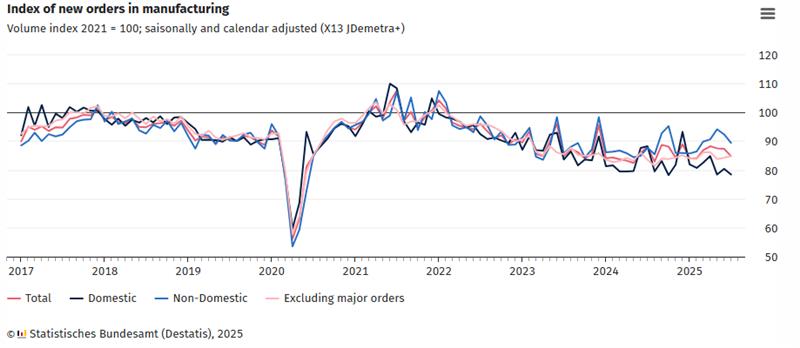
Source: Destatis
 BOJ Takes Rates to a 31-Year High
The Bank of Japan raised its key short-term interest rate by 25 basis points to 1.25% in September, pushing borrowing costs to their highest level since April 1995 and taking another step away from decades of ultra-loose monetary policy.
Detail Fed Hike Sets the Tone for Markets (09.18.2026)Monetary policy remained a key driver at the end of the week following the Federal Reserve’s first rate hike since July 2023.
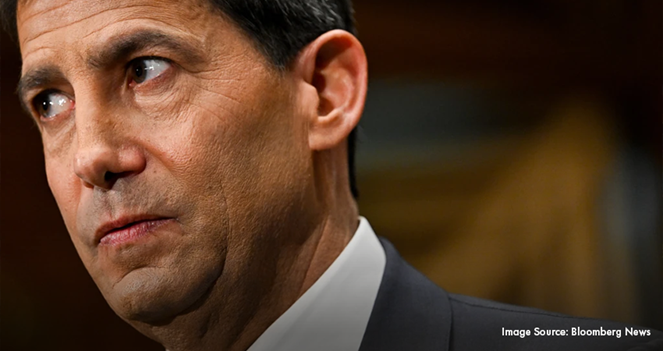 Fed Hikes to 4%, and It May Not Be Done
The Federal Reserve raised interest rates for the first time since 2023, delivering a unanimous 25 basis point increase to 3.75%–4.00% in September.
DetailThen Join Our Telegram Channel and Subscribe Our Trading Signals Newsletter for Free!
Join Us On Telegram!


