


Modern market mechanics are significantly more complicated than many investors assume. While headlines receive credit for price shifts, the true catalyst is frequently found in options market positioning and the subsequent unwinding of those trades. To truly grasp market behavior, one must look beyond simple spot prices.
As option expiration dates draw near, market volatility and sudden directional shifts typically intensify. Market makers and option sellers must constantly execute hedging trades to manage their risk exposure. These necessary adjustments can spark abrupt rallies or sell-offs that appear inexplicable to those only watching the news.
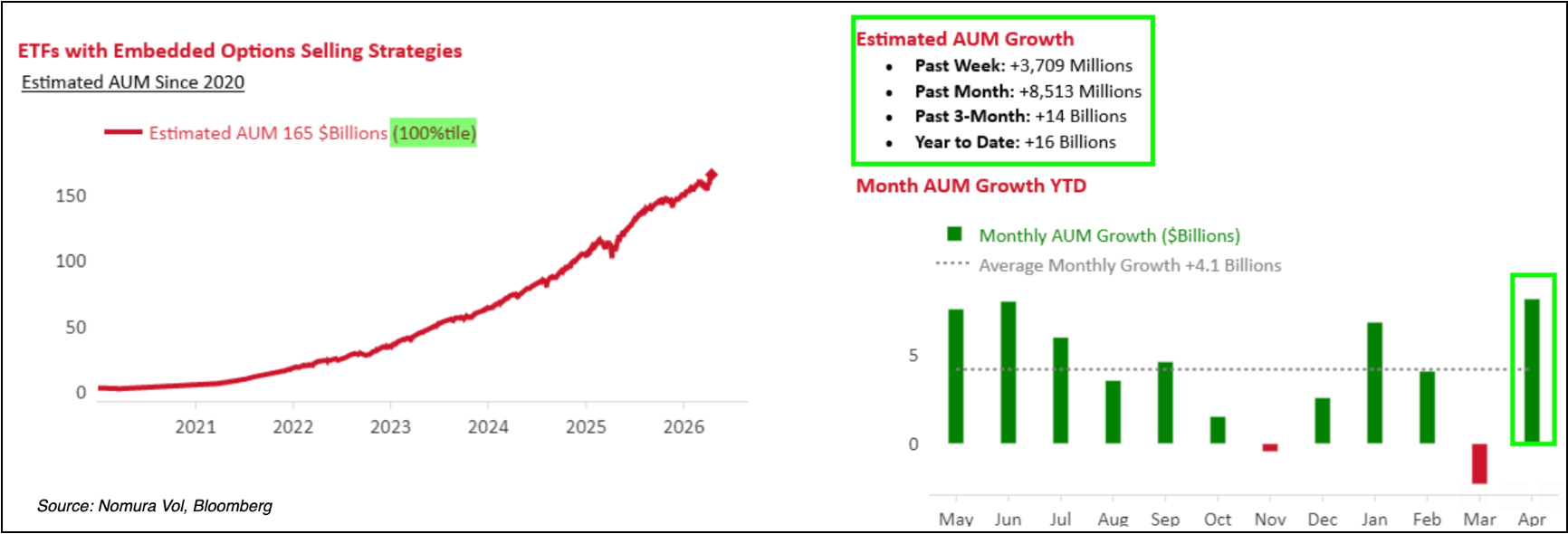
There has been a notable surge in income-focused approaches, such as covered call strategies, among investors seeking consistent returns. While these methods provide regular cash flow, they also use persistent downward pressure on prices, effectively capping upward momentum. This trend shows how collective investor behavior directly redefines the market's physical structure.
The evolving investor landscape further complicates this dynamic. As a large segment of the population nears retirement, there is a clear migration toward stable, income-generating products. This shift toward option-selling strategies has increased overall market liquidity but has also introduced novel sources of volatility.
Ultimately, economic data alone cannot fully explain price movements. Internal factors, such as hedging requirements, option flows, and changing investor preferences, are the primary drivers of price direction. Mastering the hints of this structural framework is important for accurate interpretation of sharp and sudden market fluctuations.
Escalating Middle East tensions pushed oil prices higher following a deadly drone strike on Saudi Aramco's Shaybah facility, renewing inflation concerns and expectations for further Federal Reserve tightening.
Rising oil prices renewed inflation concerns as uncertainty surrounding the US-Iran conflict and continued disruptions in the Strait of Hormuz reinforced expectations for further monetary tightening.
Elevated oil prices and rising Treasury yields weighed on precious metals as persistent geopolitical tensions reinforced inflation concerns and expectations for further Federal Reserve tightening.
Then Join Our Telegram Channel and Subscribe Our Trading Signals Newsletter for Free!
Join Us On Telegram!


