


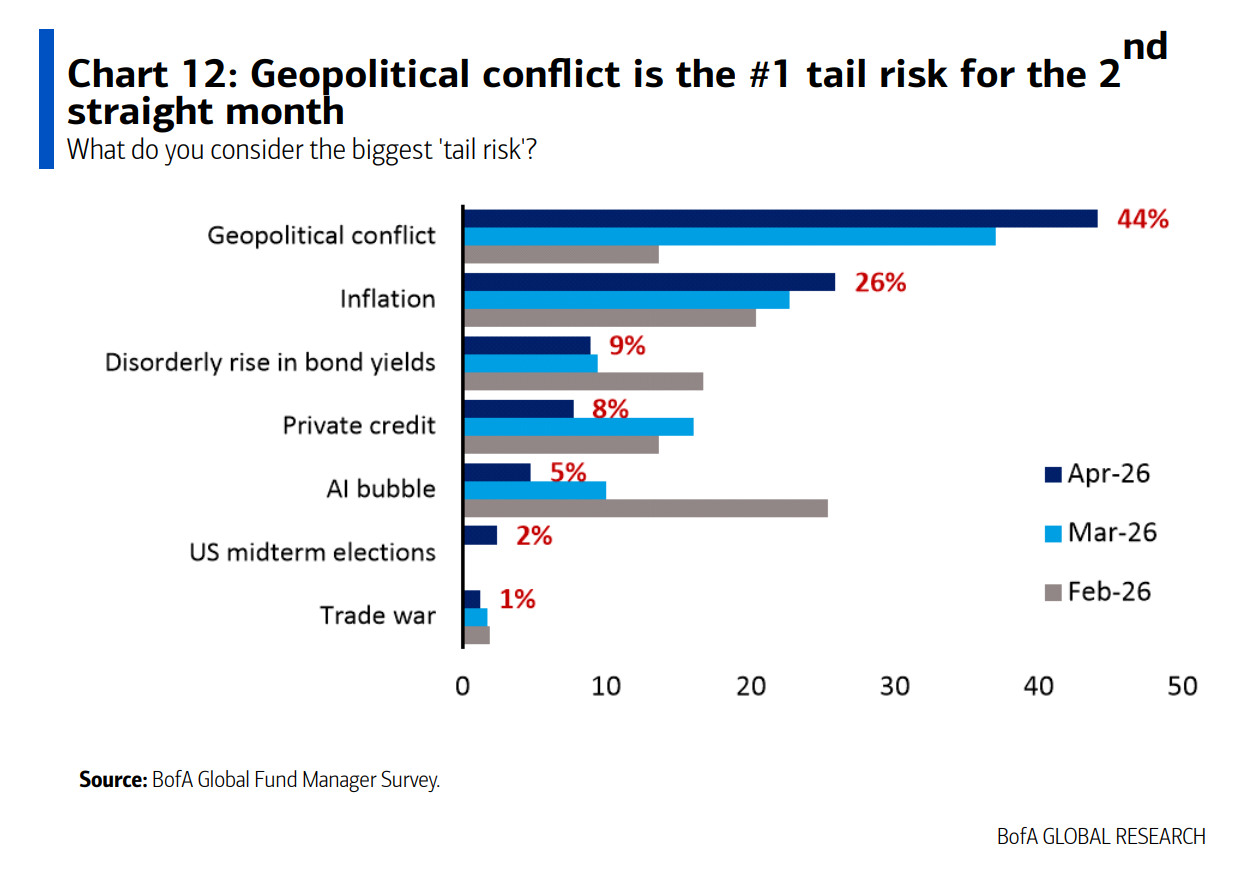
Global markets have begun pricing in a more moderate geopolitical outlook, yet the underlying situation remains unsettled. Diplomatic overtures between the United States and Iran have shown a sense of guarded relief following weeks of heightened anxiety regarding energy flows and critical shipping lanes. Interestingly, the failure of disruptions in the Strait of Hormuz to ignite a total energy crisis has challenged traditional market expectations.
A notable feature of the current landscape is how resilient global markets have remained despite significant risks. In previous eras, such intense friction typically sparked immediate spikes in oil prices and a widespread flight to safety. While energy costs did react, the overall impact has been notably contained. This stability suggests that strategic reserves, supply diversification, and more adaptive consumption patterns are successfully cushioning the global economy against external shocks.
Despite this resilience, inflation remains a secondary threat. Even minor interruptions in energy supplies can keep price expectations high, complicating the mission of central banks as they navigate a precarious economic balance. The primary concern is not an immediate collapse, but rather a slow tightening of financial conditions if energy-linked inflation begins to permeate broader pricing structures across the economy.
U.S. equity markets continue to demonstrate strength, indicating that investors are currently prioritizing growth and liquidity over geopolitical headlines. However, this bullish sentiment is inherently fragile. The market's willingness to overlook short-term noise depends heavily on diplomatic progress; any breakdown in negotiations or a return to escalation could trigger a rapid reversal in asset prices.
Ultimately, the global economy is in a transition phase. While the most catastrophic scenarios are no longer being priced in, investors remain far from comfortable. The interplay between diplomacy and potential disruption will dictate the trajectory of global assets in the weeks ahead, as the balance between these two forces remains highly delicate.
Global markets remained focused on U.S. fiscal concerns, shifting central bank expectations, and renewed Middle East tensions.
 Fed Inflation Concerns Remain
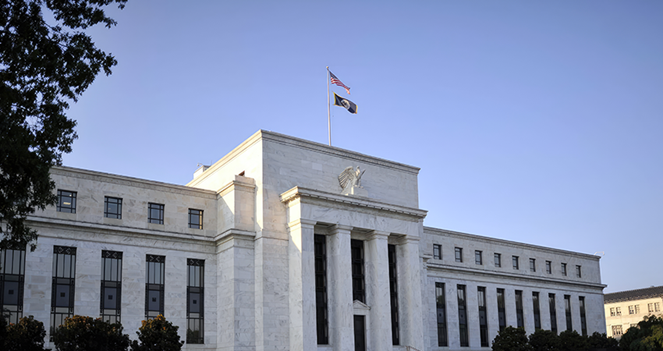
The latest Federal Reserve minutes show that inflation remains a central concern for policymakers, even as recent economic data has reduced the urgency for another rate increase. Some officials believe price pressures are becoming more widespread, while a smaller group directly supported further tightening.
Detail Dollar Falls on Debt Concerns as Yields Rise (24 – 28 August)
Global markets entered the week with the US dollar under continued pressure as concerns over federal debt and Treasury market management moved to the center of investor attention. The Dollar Index hovered near 98.8 following sharp losses in the previous week, while the US Treasury’s expanded bond buyback programme pushed longer-term yields and the dollar lower. The move supported gold, silver, and major currencies, while investors assessed its longer-term implications for US borrowing costs and the yield curve.
DetailThen Join Our Telegram Channel and Subscribe Our Trading Signals Newsletter for Free!
Join Us On Telegram!


