


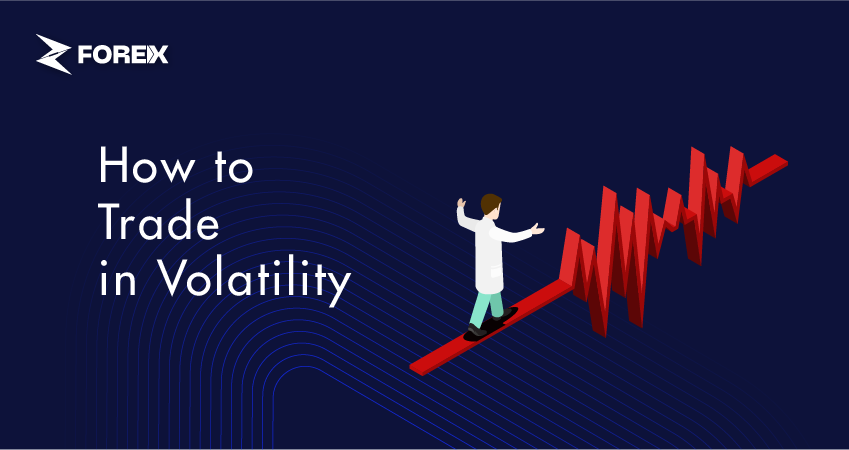
In calm markets, price moves tend to be gradual and predictable. In volatile markets, the pace shifts. News, economic data, geopolitical developments, or sudden changes in supply and demand can push prices sharply higher or lower within minutes. These conditions create a different trading environment, one where flexibility and discipline matter more than conviction alone.
Volatility does not always mean chaos, oftentimes it means acceleration. And in fast markets, preparation often determines the outcome.
Trading on price fluctuations is about responding to movement. When prices begin to swing more sharply than usual, opportunities expand, risks increase, and timing becomes critical. Traders focus on the speed and magnitude of price changes rather than simply whether an asset rises or falls.
Unpredictable price swings are measured in several ways. Historical volatility looks at past price fluctuations, while implied volatility reflects expectations for future movement, often derived from options pricing. A rising price swings reading signals uncertainty, but it also signals activity, and activity is where traders find opportunities.
What makes this type of trading distinct is the mindset behind it. Instead of waiting for stability, traders prepare for disruption. They adjust position sizes, shorten holding periods, and pay closer attention to risk management. In this environment, protecting capital becomes just as important as capturing gains.
Not all sectors respond to market stress in the same way. Some industries are naturally more sensitive to economic shifts, supply disruptions, policy changes, or technological breakthroughs. These sectors tend to experience larger price swings (both upward and downward) making them central to volatility-driven trading strategies.
Other sectors, such as consumer discretionary and industrials, may show periods of heightened swings during economic slowdowns or recoveries, as spending patterns and production cycles adjust.
Volatility rarely appears randomly, so understanding sector behavior is essential for traders. It tends to concentrate where uncertainty and sensitivity collide.
High-volatility stocks can move quickly, sometimes within minutes. That speed creates opportunity, but it also demands structure. Traders who perform well in these conditions rely on defined methods rather than impulse decisions. Each approach below offers a different way to handle rapid price swings while keeping risk under control.
Options are one of the most adaptable tools when volatility picks up. Instead of trading the stock itself, they let you position for movement while keeping risk clearly defined, the most you can lose is the premium paid. That clarity can make a big difference when markets start moving faster than expected.
Strategies like straddles and strangles are designed for moments of uncertainty. They allow traders to benefit from large swings in either direction, without needing to guess which way the market will break. Options also bring leverage into the picture, giving smaller capital the ability to control a larger position, a powerful feature when used with discipline.
In volatile stocks, options can do two things at once: capture opportunity when prices accelerate and provide a layer of protection when conditions shift quickly.
Day trading is all about taking advantage of short-term price moves within a single trading session. Positions are opened and closed before the market shuts, which helps limit exposure to overnight news or events that can lead to sudden price gaps the next day.
Day traders lean heavily on key price levels in volatile markets; bursts of trading volume, and momentum signals to time their entries and exits. The focus is not on calling the long-term trend, but on staying responsive as conditions change throughout the day.
What separates steady day traders from the rest is discipline. Having clear stop-loss levels and sticking to consistent position sizes helps keep risk under control when price swings become sharper.
Scalping takes short-term trading one step further. Instead of holding positions for hours, scalpers may hold them for seconds or minutes, aiming to capture small price changes repeatedly throughout the day.
This method works best in highly liquid stocks where spreads are tight and execution is fast. Because each trade targets modest gains, success depends on precision, speed, and consistency rather than large single moves.
Scalping can turn constant price fluctuations into a steady flow of small opportunities.
Swing trading focuses on price moves that develop over several days or weeks. Rather than reacting to every short-term fluctuation, swing traders look for broader patterns and momentum shifts.
Volatile stocks often create strong swings between support and resistance levels. These movements can provide clear entry and exit zones, allowing traders to ride a portion of the trend without staying in the market for extended periods.
Patience plays a key role in swing trading. Waiting for confirmation before entering a position can reduce unnecessary risk.
Breakout trading focuses on those moments when price pushes past a level the market has respected for a while. In unpredictable conditions, that shift can trigger a sudden burst of activity as fresh buyers or sellers step in and momentum begins to build.
Traders usually keep a close eye on consolidation areas, resistance levels, or trend lines, the places where price has paused before. When one of those barriers finally gives way, especially with strong volume behind it, the move can gather speed quickly.
What makes breakout trading effective is not prediction, but readiness. Being prepared to act as the level breaks can position you early in the move, while the energy is still building.
Limit orders put you in the driver’s seat; you decide the price. When volatility picks up and prices start jumping from level to level, rushing in with a market order can mean paying more or selling for less than expected. A limit order keeps the terms clear before the trade even begins.
They prove their value when markets turn choppy. Spreads widen, liquidity shifts, and price moves can feel abrupt. Having your entry and exit levels set ahead of time removes hesitation and keeps decisions grounded in a plan rather than in the heat of the moment.
In such conditions, control is the real advantage.
Currency markets can shift pace quickly. One headline, one data release, or one policy signal can push prices sharply in a new direction. In these moments, success often comes down to preparation. Traders who stay organized and flexible tend to handle volatility better than those who react on the fly.
The following habits can help you stay steady when currency markets start moving faster than usual.
When volatility rises, charts become your reference point. Support and resistance levels, trend lines, and momentum signals help you see where price has reacted before, and where it may react again.
You do not need complicated indicators. Even a few well-defined levels can give you structure and confidence when markets begin to move quickly.
Bollinger Bands sit above and below price, expanding when activity picks up and tightening when things calm down, a quick visual cue that conditions are changing. The Average True Range (ATR) focuses on the size of price swings, showing whether the market is moving in small steps or taking bigger strides.
Used together, they help you sense the tempo of the market, and stay one step ahead when the pace begins to build.
Not all hours in the forex market behave the same. The busiest periods (especially when London and New York overlap) usually bring stronger liquidity and clearer price movement.
Trading during these active sessions often means tighter spreads and smoother execution. This difference can matter more than many traders expect.
Economic data can move currency markets within seconds. Interest rate decisions, inflation figures, employment reports, and central bank statements often trigger the largest reactions of the week.
Keeping an eye on the economic calendar helps you stay one step ahead. When you know when important data is coming, you can plan your trades instead of scrambling to respond.
Fast markets leave little room for hesitation. Limit and stop orders act as guardrails, helping you stay disciplined even when prices start jumping around.
A stop-loss protects your downside, while a limit order makes sure you enter or exit at the price you chose, and not the one the market suddenly offers.
Bigger price swings mean bigger risk. That is why many experienced traders reduce their position size when unpredictability increases.
Smaller positions give you breathing room. They allow you to stay involved in the market without putting too much pressure on a single trade.
Currency markets react quickly to global developments. Policy decisions, trade tensions, elections, and supply disruptions can all shift exchange rates in a matter of minutes.
Understanding the broader story behind the move helps you stay calm and focused, even when the market feels unpredictable.
Some strategies are built specifically for fast markets. Breakout trading, momentum trading, and short-term trend strategies aim to capture strong moves as they develop.
These approaches are less about forecasting direction and more about responding to what the market is actually doing.
In currency trading, these unexpected price changes are part of the environment. The goal is not to avoid it, but to stay ready for it.
Volatility changes the rhythm of the market. Prices move faster, reactions become sharper, and risk can expand quickly. Yet these same conditions often create the clearest opportunities for active traders.
Successful volatility trading is built on a few consistent principles:
Remember, volatility is something to manage. The ones who maintain discipline and structure often find that fast markets reward preparation more than speed.
Is fast price movement good or bad for trading?
Sharp market swings are neither positive nor negative on their own. They simply reflect how quickly prices are changing. Bigger moves can create more opportunity, but they also increase risk. That is why structure, planning, and clear risk limits matter.
What causes sudden market swings?
Common triggers include economic data releases, central bank decisions, political developments, supply disruptions, and unexpected shifts in sentiment. These events can quickly change expectations and lead to rapid price adjustments.
Should traders adjust their approach during turbulent periods?
Yes. Many traders reduce position sizes, shorten holding times, and tighten risk controls when markets become more unpredictable. Staying flexible helps maintain consistency as conditions evolve.
How can traders protect themselves when markets become unstable?
Risk management tools such as stop-loss orders, thoughtful position sizing, and diversification play a central role. Remaining disciplined, and resisting emotional decisions, often makes the biggest difference.
When do market swings usually intensify?
Price activity often picks up around major economic releases, earnings reports, policy announcements, and periods of uncertainty. Recognizing these moments early helps traders prepare before the pace of the market speeds up.
Sign up in seconds for free, access your platform, and start trading with ease.

 How Index Futures Influence the Stock Market Open
How do index futures influence the stock market open? Learn what pre-market moves reveal about opening prices, market sentiment, and trader psychology.
Detail What Is the Nasdaq?
What is the Nasdaq? Learn how the Nasdaq Composite Index works, which stocks it includes, and what influences its performance.
Detail What Is the FTSE 100?
The FTSE 100 tracks the largest companies listed on the London Stock Exchange. Explore how it is calculated and what influences its performance.
DetailThen Join Our Telegram Channel and Subscribe Our Trading Signals Newsletter for Free!
Join Us On Telegram!


