


Global markets remained focused on inflation risks and geopolitical uncertainty as rising energy costs continued to shape central bank expectations.
The euro held near $1.165 after Eurozone inflation accelerated to its highest level in two and a half years, reinforcing expectations for tighter ECB policy. Gold slipped below $4,500 as strong U.S. labor data strengthened the case for higher-for-longer interest rates, while the Japanese yen weakened toward intervention territory near 160 per dollar. Sterling edged higher amid conflicting signals from the Middle East, and silver traded cautiously as investors monitored developments surrounding U.S.–Iran negotiations and the Strait of Hormuz.
| Time | Cur. | Event | Forecast | Previous |
| 15:15 | USD | ADP Nonfarm Employment Change (May) | 118K | 109K |
| 16:45 | USD | S&P Global Services PMI (May) | 50.9 | 51.0 |
| 17:00 | USD | ISM Non-Manufacturing Prices (May) | - | 70.7 |
| 17:00 | USD | ISM Non-Manufacturing PMI (May) | 53.7 | 53.6 |
| 17:30 | USD | Crude Oil Inventories | -2.900M | -3.327M |
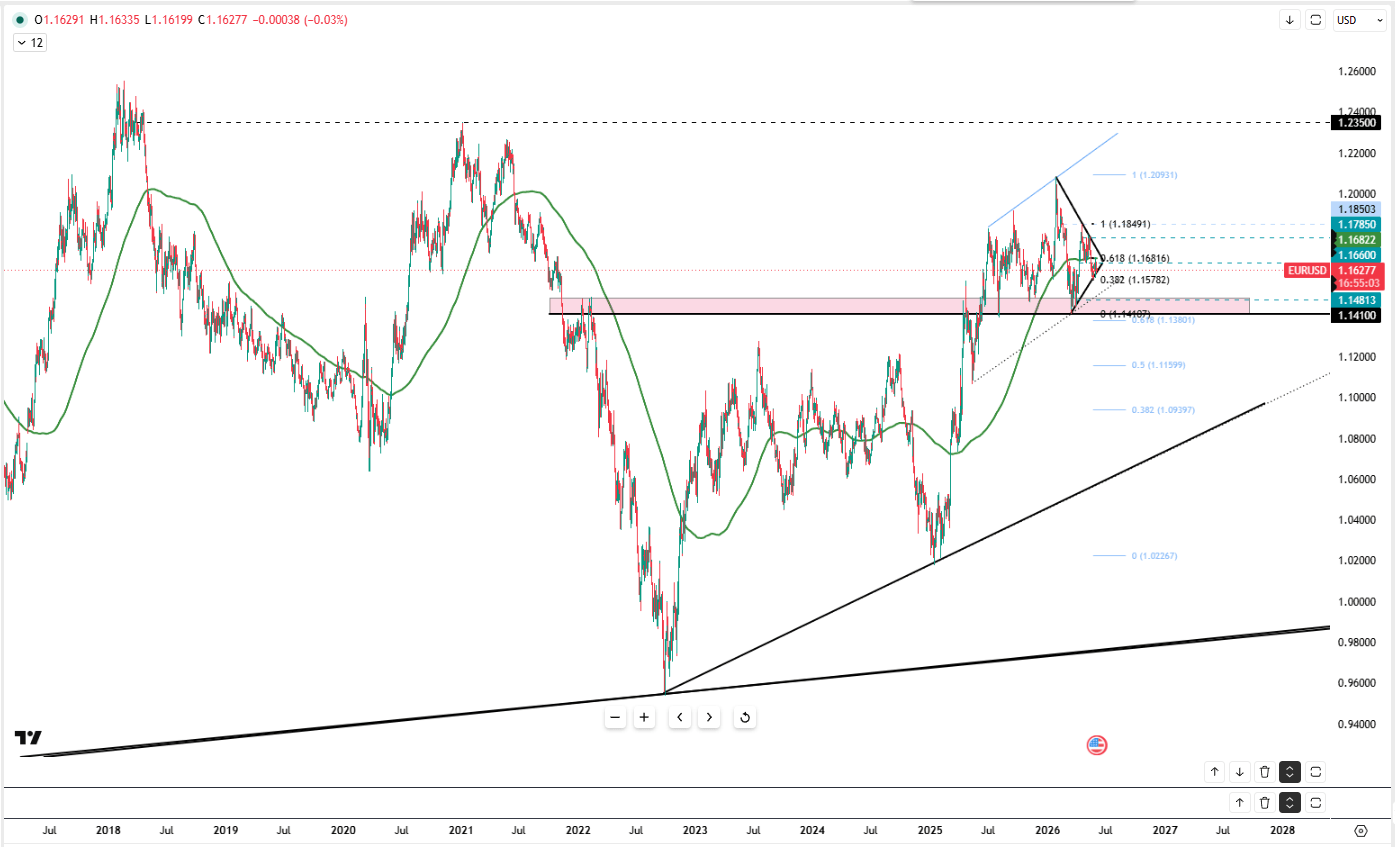
The Euro held close to $1.165 as markets balanced severe geopolitical risks against accelerating price pressures. Eurozone inflation jumped to a two-and-a-half-year high of 3.2% in May, driven by energy shocks stemming from the Middle East conflict. Core inflation rose to 2.5% and services climbed to 3.5%, underscoring broad-based inflationary pressures across the region.
For EUR/USD, the initial resistance is seen at 1.1670, while the closest support is positioned at 1.1600.
| R1: 1.1670 | S1: 1.1600 |
| R2: 1.1700 | S2: 1.1550 |
| R3: 1.1750 | S3: 1.1500 |
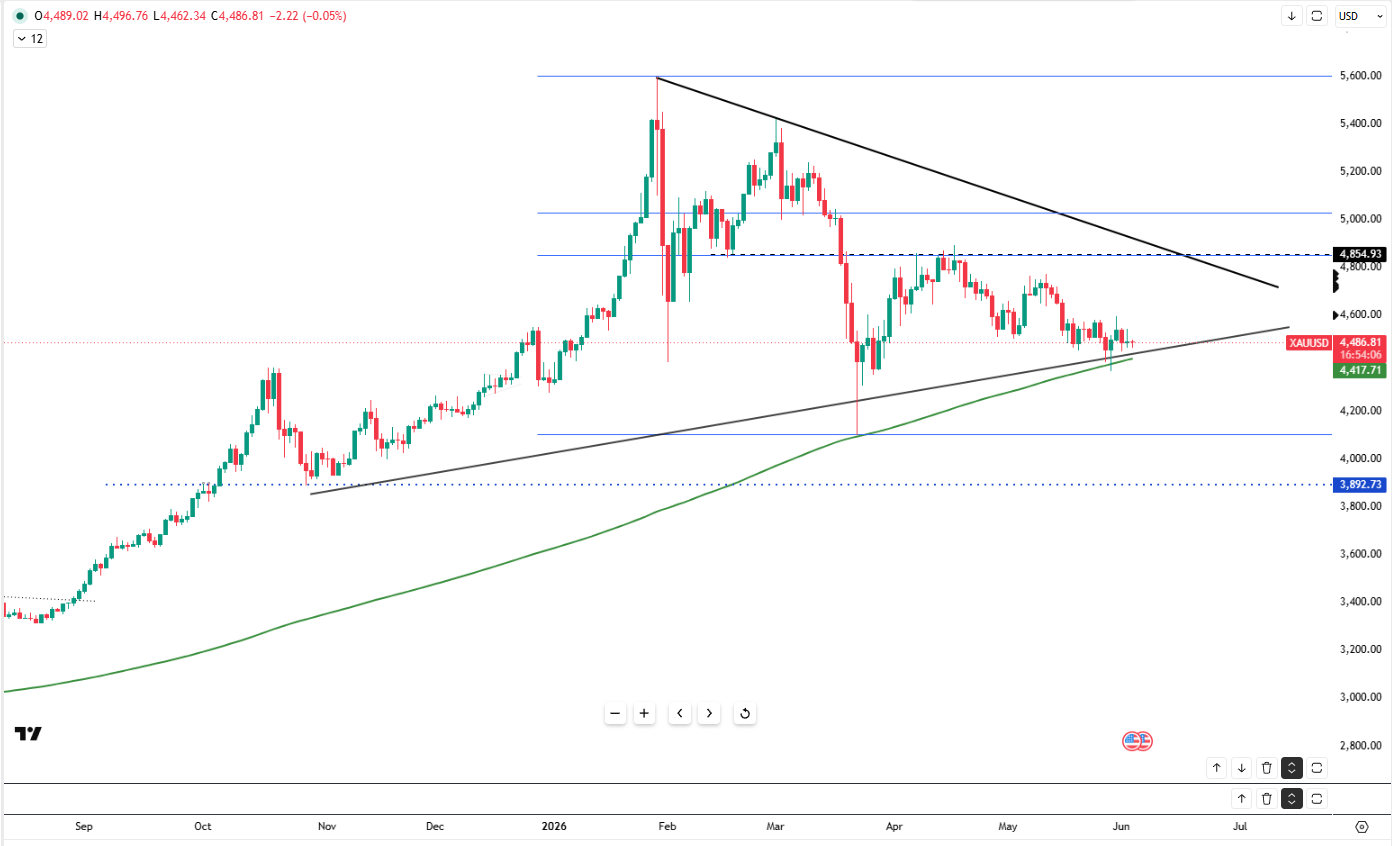
Gold traded below $4,500 on Wednesday, pressured by resilient U.S. labor data. April job openings reached a two-year high alongside declining layoffs, reinforcing expectations that the Federal Reserve will maintain higher interest rates for longer to combat sticky inflation.
First resistance is seen at $4570, with initial support near $4460.
| R1: 4570 | S1: 4460 |
| R2: 4620 | S2: 4420 |
| R3: 4700 | S3: 4350 |
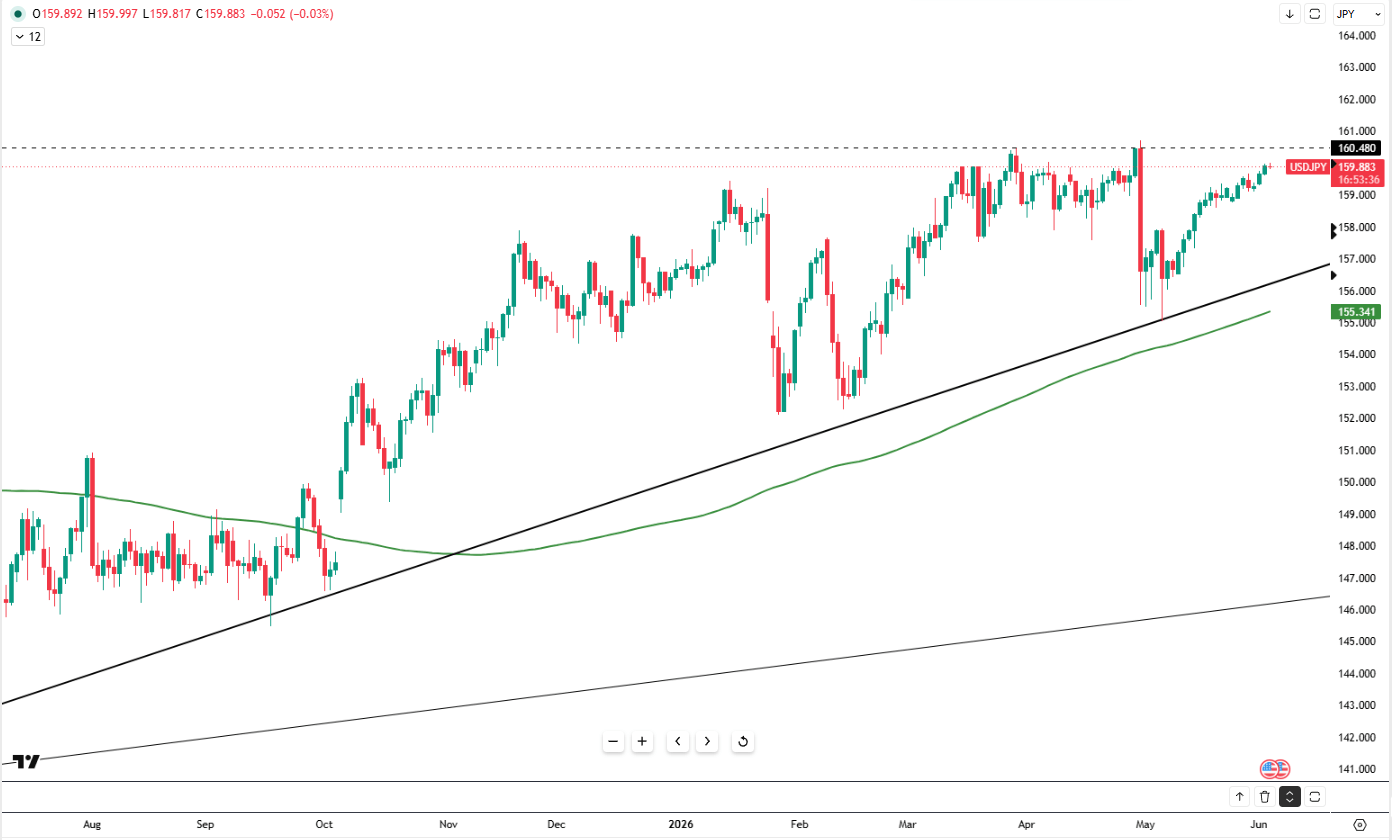
The Japanese Yen weakened toward 160 per Dollar on Wednesday. Finance Minister Satsuki Katayama stated that authorities remain ready to act in the currency market if excessive volatility emerges, signaling potential imminent intervention.
Initial resistance stands at 159.95, while the first support is located at 159.00.
| R1: 159.95 | S1: 159.00 |
| R2: 160.50 | S2: 158.30 |
| R3: 161.20 | S3: 157.50 |
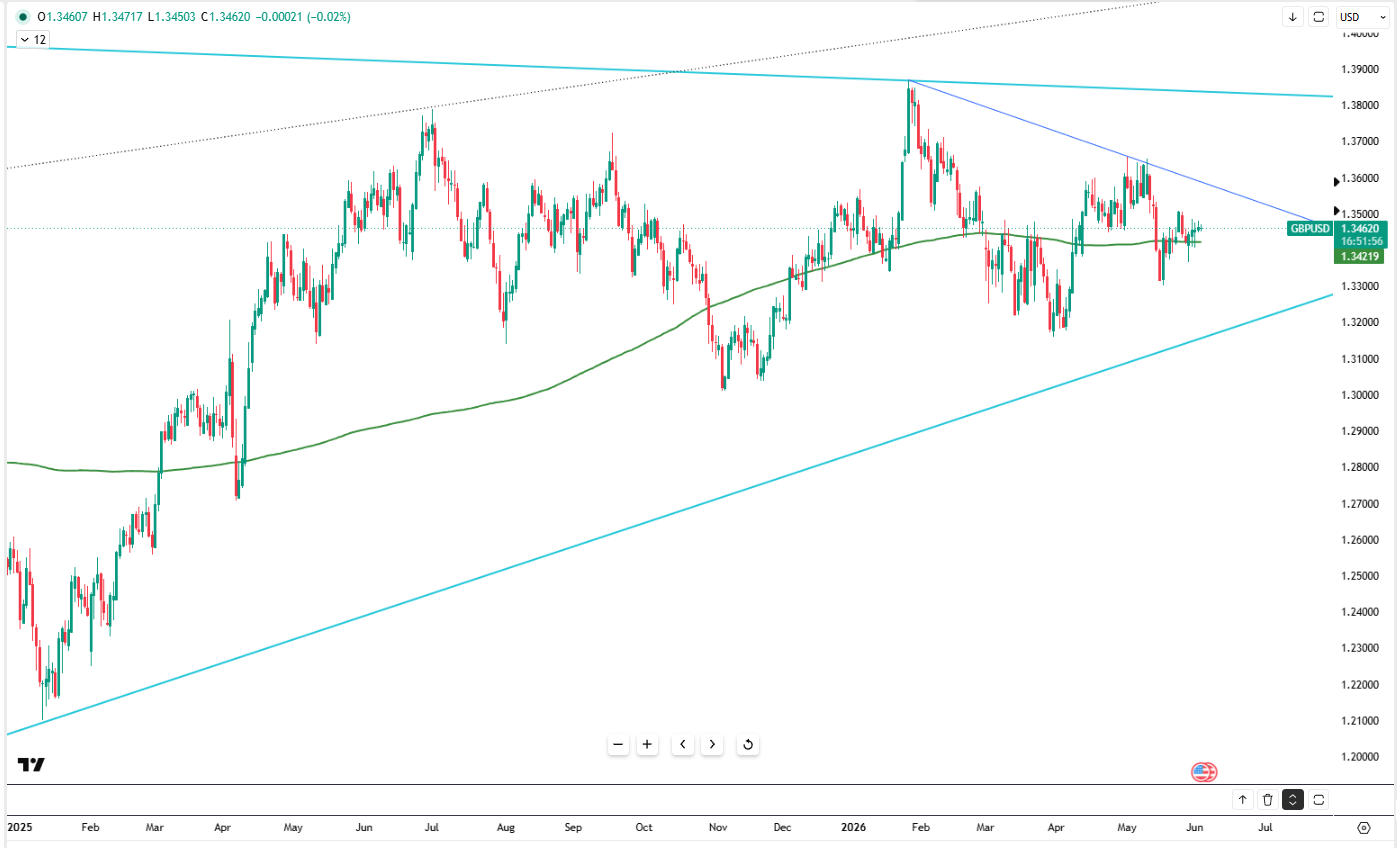
The British Pound rose to $1.347 as investors navigated conflicting Middle East peace signals. Contradictory remarks from Donald Trump and Benjamin Netanyahu regarding the Lebanon conflict fueled market uncertainty. Also, reports that Iran suspended bilateral talks with the U.S. until regional tensions ease provided further geopolitical headwinds, driving safe-haven shifts.
From a technical view, resistance stands near 1.3510, with support around 1.3410.
| R1: 1.3510 | S1: 1.3410 |
| R2: 1.3560 | S2: 1.3360 |
| R3: 1.3630 | S3: 1.3300 |
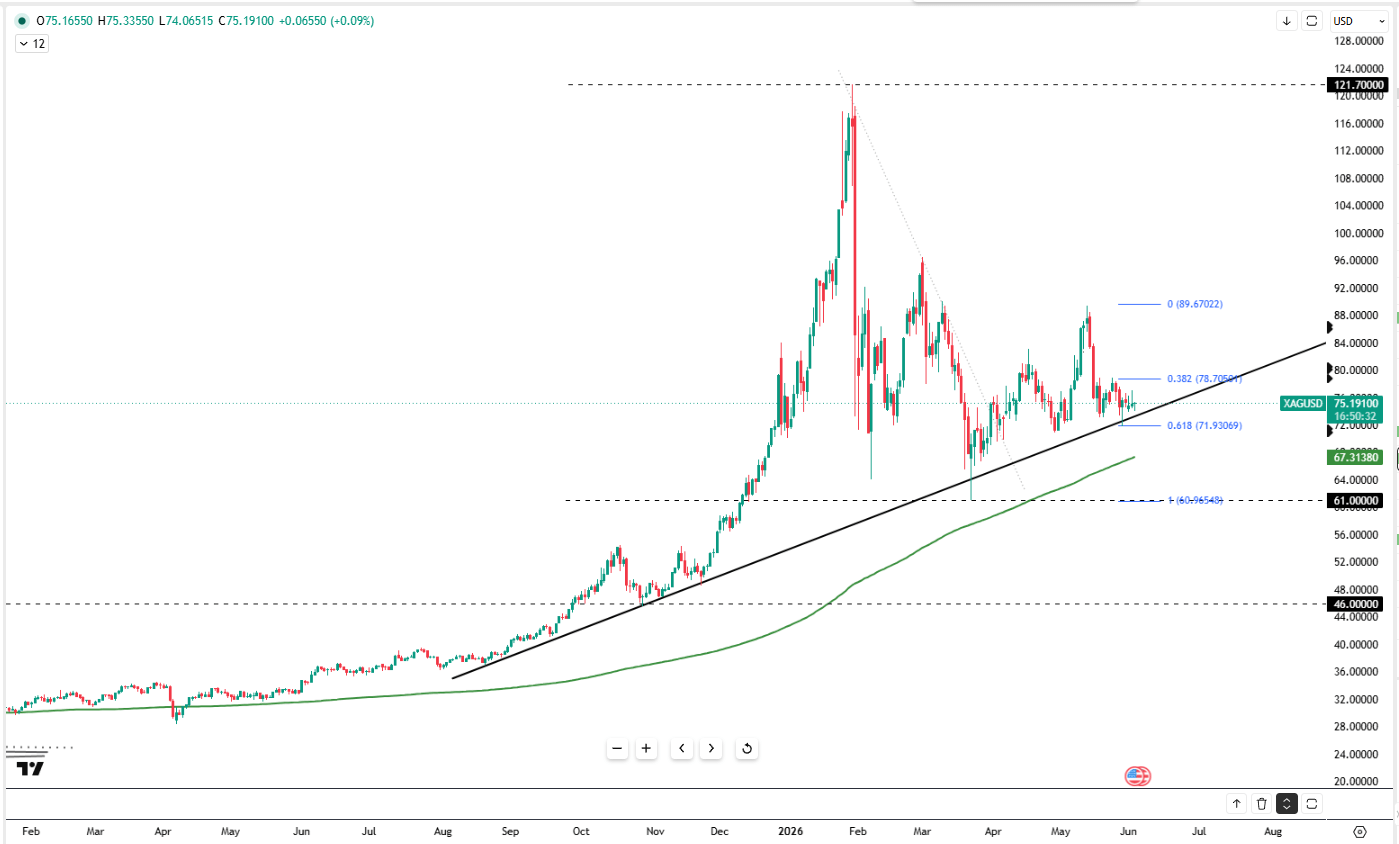
Silver hovered near $75 as markets balanced conflicting U.S.–Iran headlines. Reports indicated Iran halted bilateral contacts following Israeli strikes in Lebanon. However, President Trump countered that negotiations remain active, expressing optimism that an agreement to reopen the blockaded Strait of Hormuz could be finalized within the coming week.
From a technical view, resistance stands near $77.20, while support is located around $73.40.
| R1: 77.20 | S1: 73.40 |
| R2: 78.80 | S2: 71.90 |
| R3: 80.50 | S3: 68.50 |
 US Inflation Hits 3.7% as Energy Prices Surge
September’s inflation report reveals new price pressures across the US economy.
Detail Dollar Retreat Supports Metals (10.15.2026)A softer US dollar and declining Treasury yields offered some relief to financial markets as Federal Reserve officials signaled a willingness to pause rate adjustments.
Houthi missile attacks on Saudi Aramco and stepped-up Iranian strikes on tankers in Hormuz deepened worries over supply, while the IMF flagged threats to global growth from the Middle East conflict, high debt levels and a potential AI-boom reversal.
DetailThen Join Our Telegram Channel and Subscribe Our Trading Signals Newsletter for Free!
Join Us On Telegram!


