


Global markets closed the week under pressure as escalating Middle East tensions kept energy prices elevated and reinforced inflation concerns.
While softer U.S. inflation continued to weigh on the dollar and supported the euro, geopolitical risks strengthened demand for safe-haven assets and fueled expectations that major central banks will keep interest rates higher for longer. Investors also monitored policy signals from the ECB, Bank of England, and Bank of Japan as markets assessed the next phase of monetary tightening.
| Time | Cur. | Event | Forecast | Previous |
| 09:00 | EUR | CPI (YoY) (Jun) | 2.8% | 3.2% |
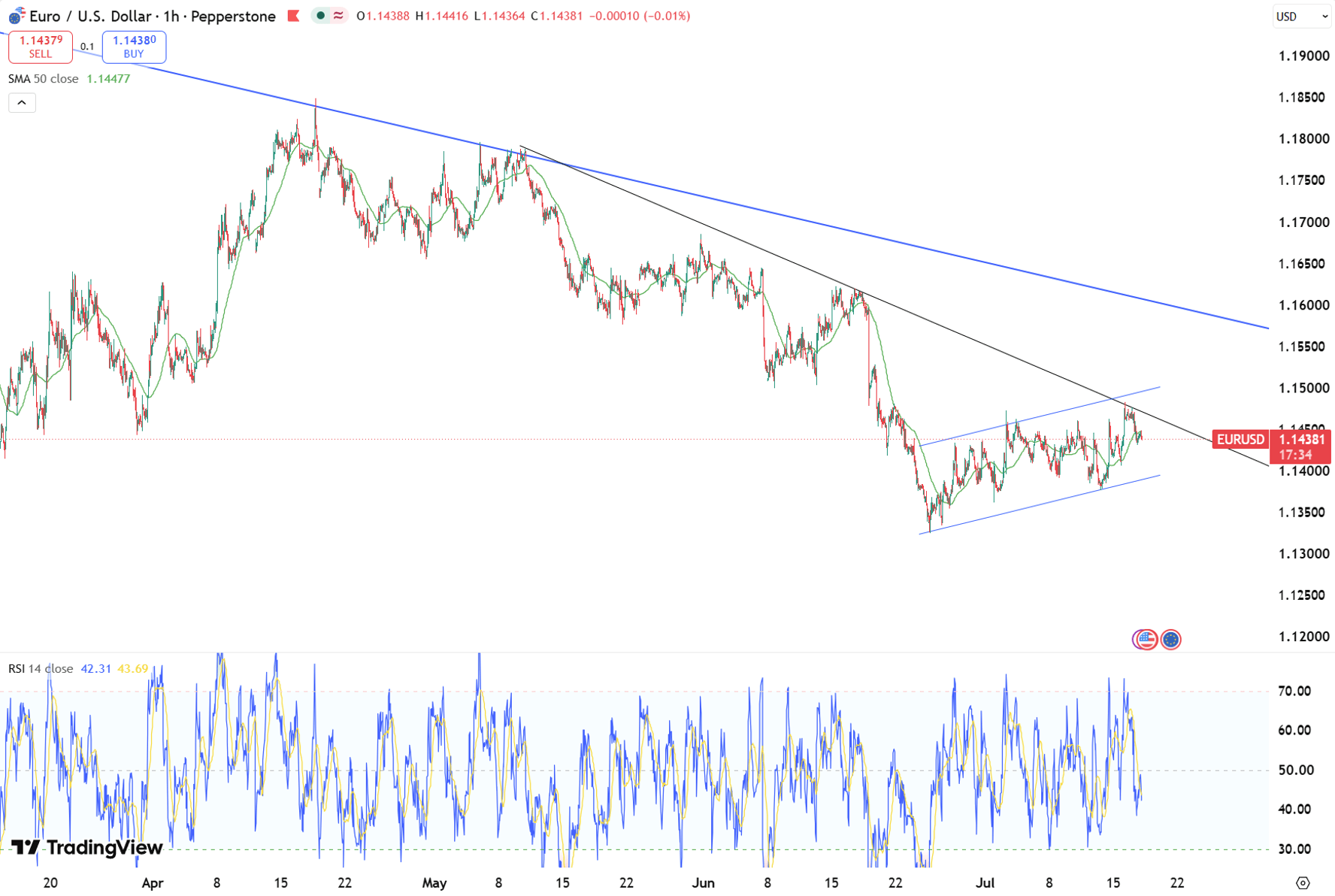
The euro climbed above $1.145, remaining near multi-week highs as softer U.S. inflation figures weighed on the dollar and fueled expectations for sustained ECB policy tightening. Following June's landmark rate hike, investors fully price in a September increase, with another move anticipated by spring 2027. However, recent cautious remarks from ECB policymakers Piero Cipollone and Martin Kocher have tempered expectations for an immediate July rate hike.
The first resistance is positioned at 1.1500 while the support starts from 1.1420.
| R1: 1.1500 | S1: 1.1420 |
| R2: 1.1530 | S2: 1.1400 |
| R3: 1.1550 | S3: 1.1370 |
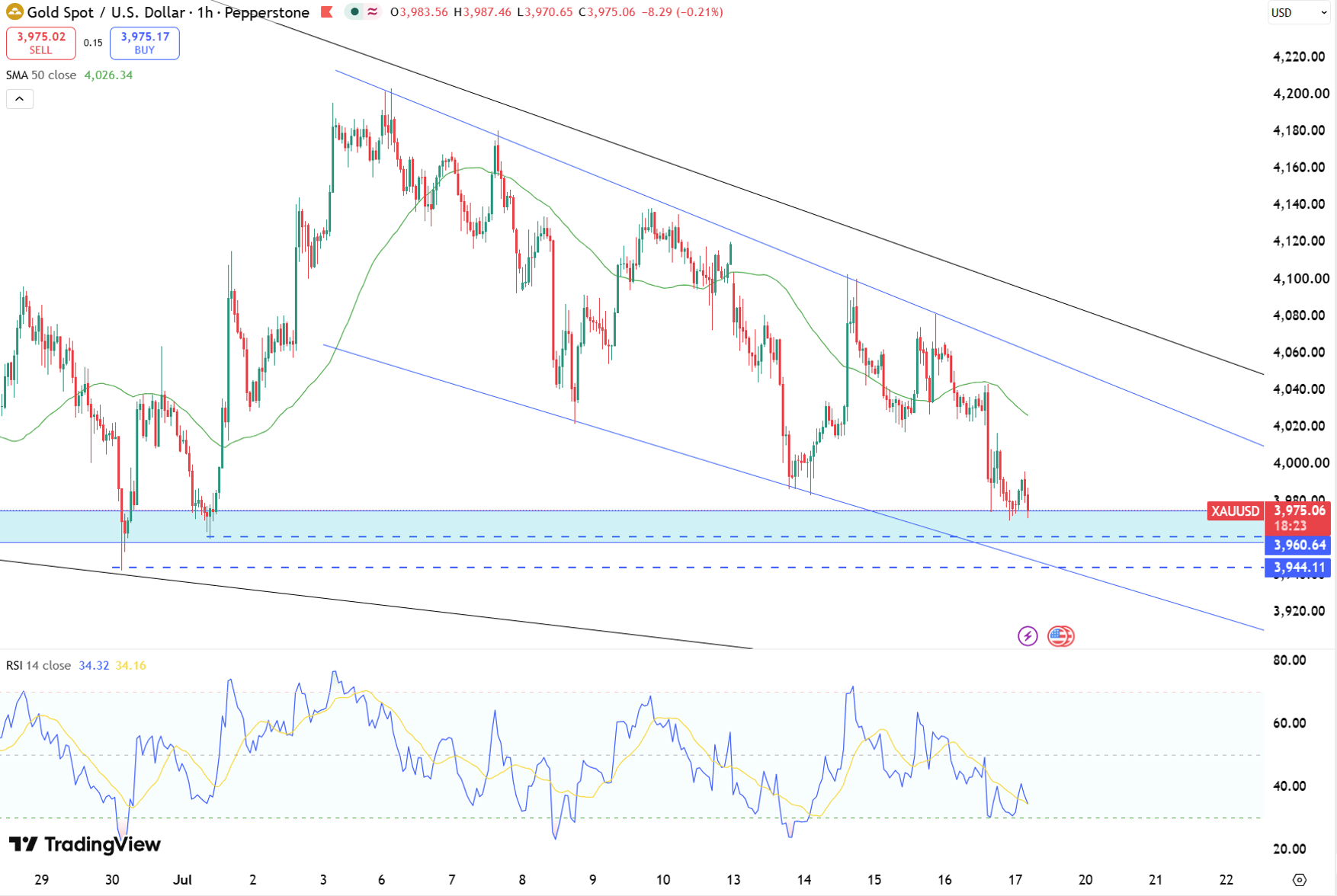
Gold traded below $4,000 on Friday, on track for a weekly decline exceeding 3% as escalating Middle East conflicts drove oil prices higher and intensified inflation and interest rate worries. Following recent U.S. airstrikes on Iran, President Donald Trump warned of potential infrastructure attacks if diplomacy fails. In response, Iran targeted U.S. military bases in neighboring nations, raising fears of a wider war and prolonged energy supply disruptions.
First resistance is seen at $4000, with initial support near $3950.
| R1: 4000 | S1: 3950 |
| R2: 4100 | S2: 3900 |
| R3: 4150 | S3: 3885 |
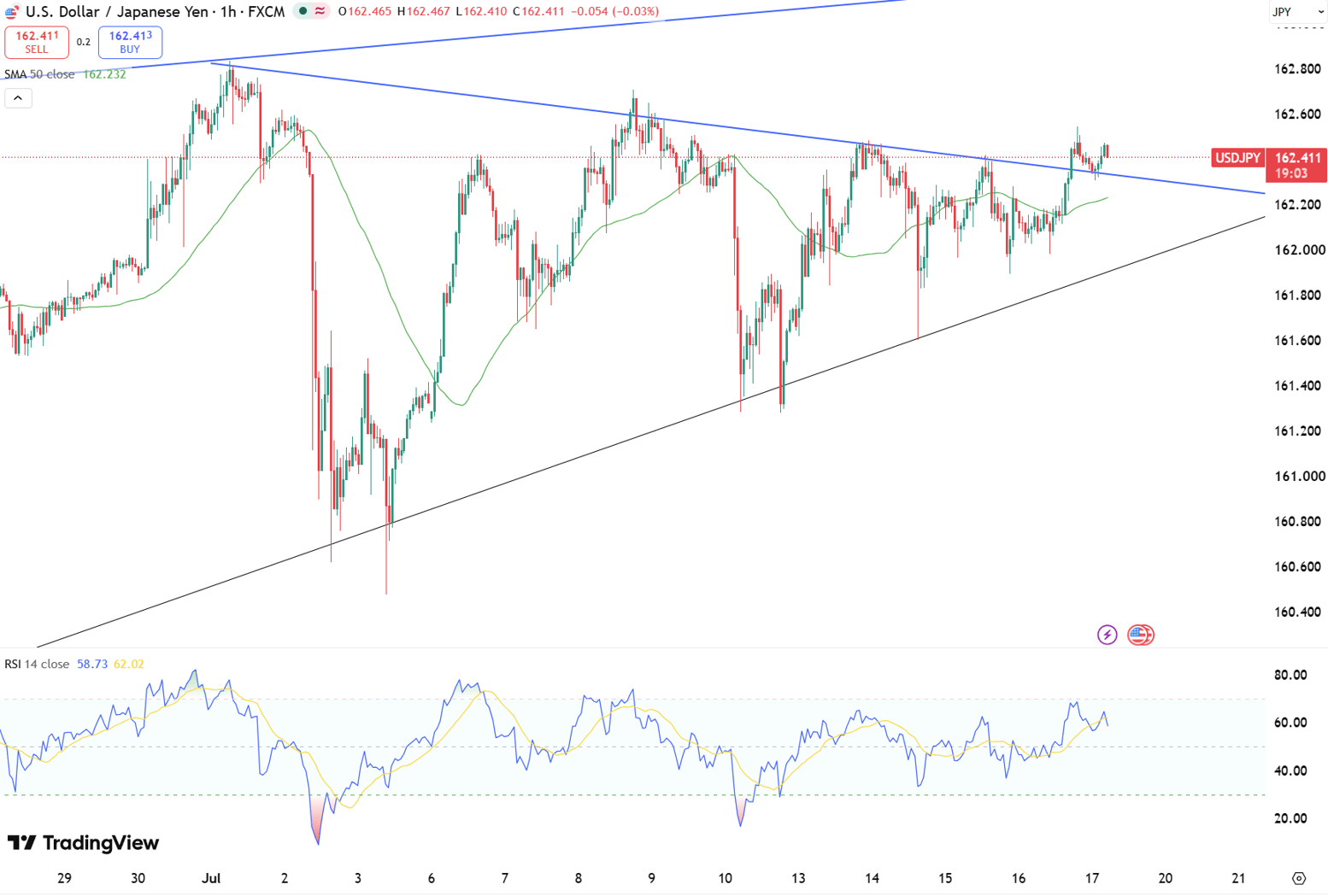
The Japanese yen stabilized near the 162 level on Thursday, supported as cooling U.S. inflation data tempered expectations for aggressive Federal Reserve rate hikes and pressured the dollar. However, escalating Middle East geopolitical tensions capped currency gains, with crude prices climbing following fresh U.S. strikes on Iran and a renewed Strait of Hormuz blockade. Domestically, Japan's machinery orders fell sharper than expected in May, signaling persistent weakness in capital expenditure.
Initial resistance stands at 162.40, while the first support is at 161.50.
| R1: 162.40 | S1: 161.50 |
| R2: 163.00 | S2: 160.70 |
| R3: 163.50 | S3: 160.00 |
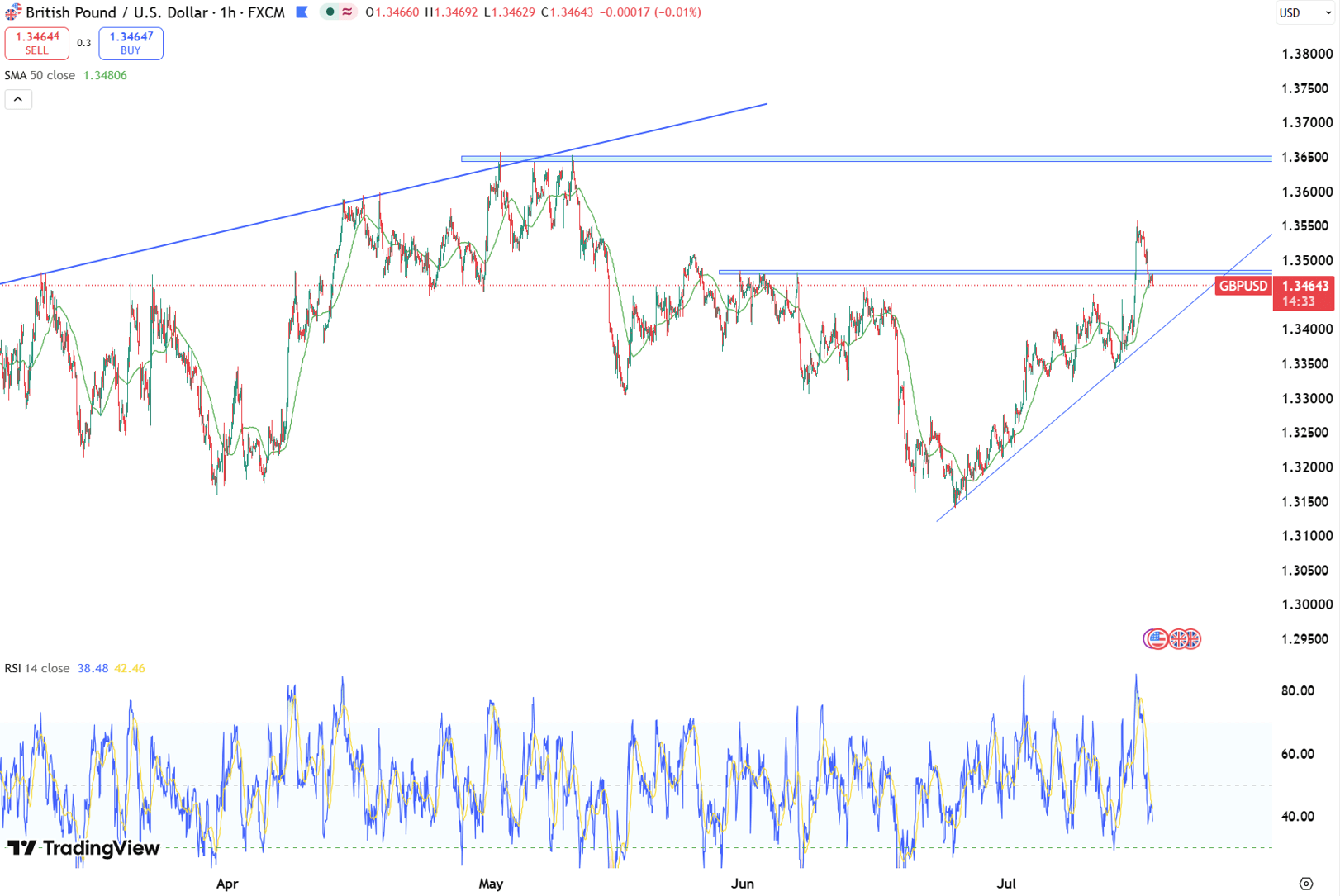
The British pound maintained its position above $1.35, hovering near its highest point since mid-May. Sterling found support after reports surfaced that Home Secretary Shabana Mahmood is expected to be named chancellor under incoming Prime Minister Andy Burnham. This potential appointment reassured markets, easing worries of more expansionary spending under Ed Miliband. Positive momentum was further reinforced by May's UK GDP data, which showed a return to 0.1% growth.
From a technical view, resistance stands near 1.3600, with support around 1.3440.
| R1: 1.3600 | S1: 1.3440 |
| R2: 1.3650 | S2: 1.3400 |
| R3: 1.3680 | S3: 1.3360 |
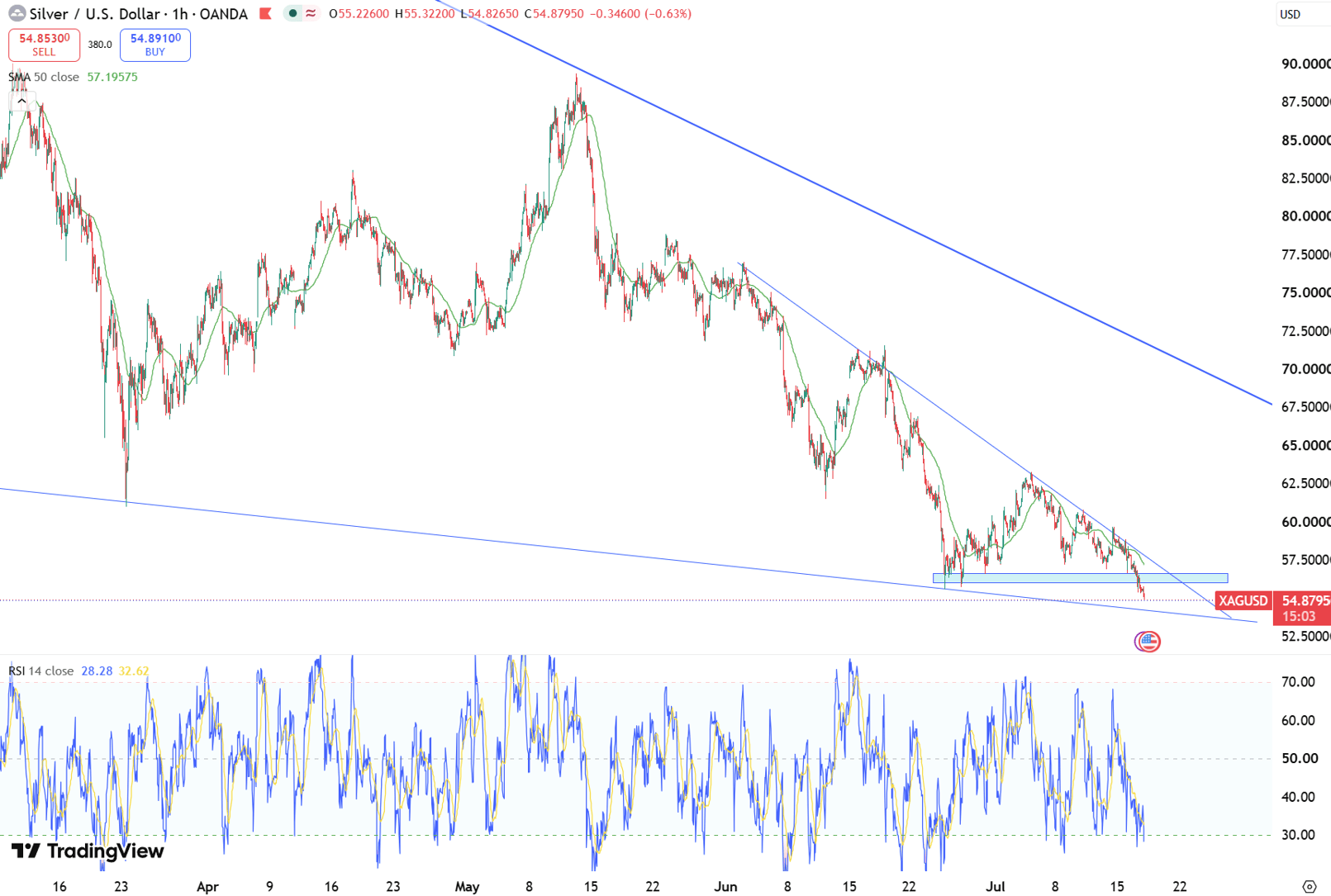
Silver remained suppressed below $56 on Friday, headed for a steep weekly loss exceeding 7%. Escalating Middle East tensions drove crude prices higher, intensifying inflation and interest rate concerns. Sentiment weakened further following targeted U.S. strikes on Iran and President Donald Trump's warning of potential infrastructure attacks if diplomatic efforts fail.
From a technical view, resistance stands near $56.00, while support is located around $54.50.
| R1: 56.00 | S1: 54.50 |
| R2: 57.00 | S2: 51.40 |
| R3: 59.70 | S3: 49.70 |
Oil inventories are nearing depletion, increasing supply risks and supporting prices. Aramco estimates less than 6 billion barrels remain after over 1 billion barrels were drawn this year, while the IEA is preparing a 100-million-barrel release. The US 10-year Treasury yield stabilized near 5.31% on Wednesday, close to 24-year peaks, as markets awaited the Fed's minutes.
The dollar index steadied around 102 on Tuesday, near its highest since April 2025, as the euro weakened on French fiscal and political concerns and Spain's upcoming snap election, yet stabilized near 1.1220 after touching its lowest level since May 2025.
Detail Weak US Jobs Ease Fed Hike Bets (5 – 9 October)
Weak US labor market data shifted the monetary policy outlook after September nonfarm payrolls rose by only 29,000, well below the 90,000 forecast, while prior months were revised lower. Unemployment rose to 4.2%, and wage growth slowed to 3.0%, cutting the probability of an October Fed hike to around 20%. The Dollar Index fell below 102 after the report, but remained on course for a third consecutive weekly gain.
DetailThen Join Our Telegram Channel and Subscribe Our Trading Signals Newsletter for Free!
Join Us On Telegram!


