




America’s housing market is still moving through an unusual cycle.
Mortgage rates remain near multi-year highs, yet demand has not collapsed as many analysts once predicted. Instead, buyers are adjusting to a new environment defined by expensive financing, limited inventory, and home prices that show little interest in correcting in any meaningful way. This struggle between affordability and persistent demand sits at the heart of the current debate.
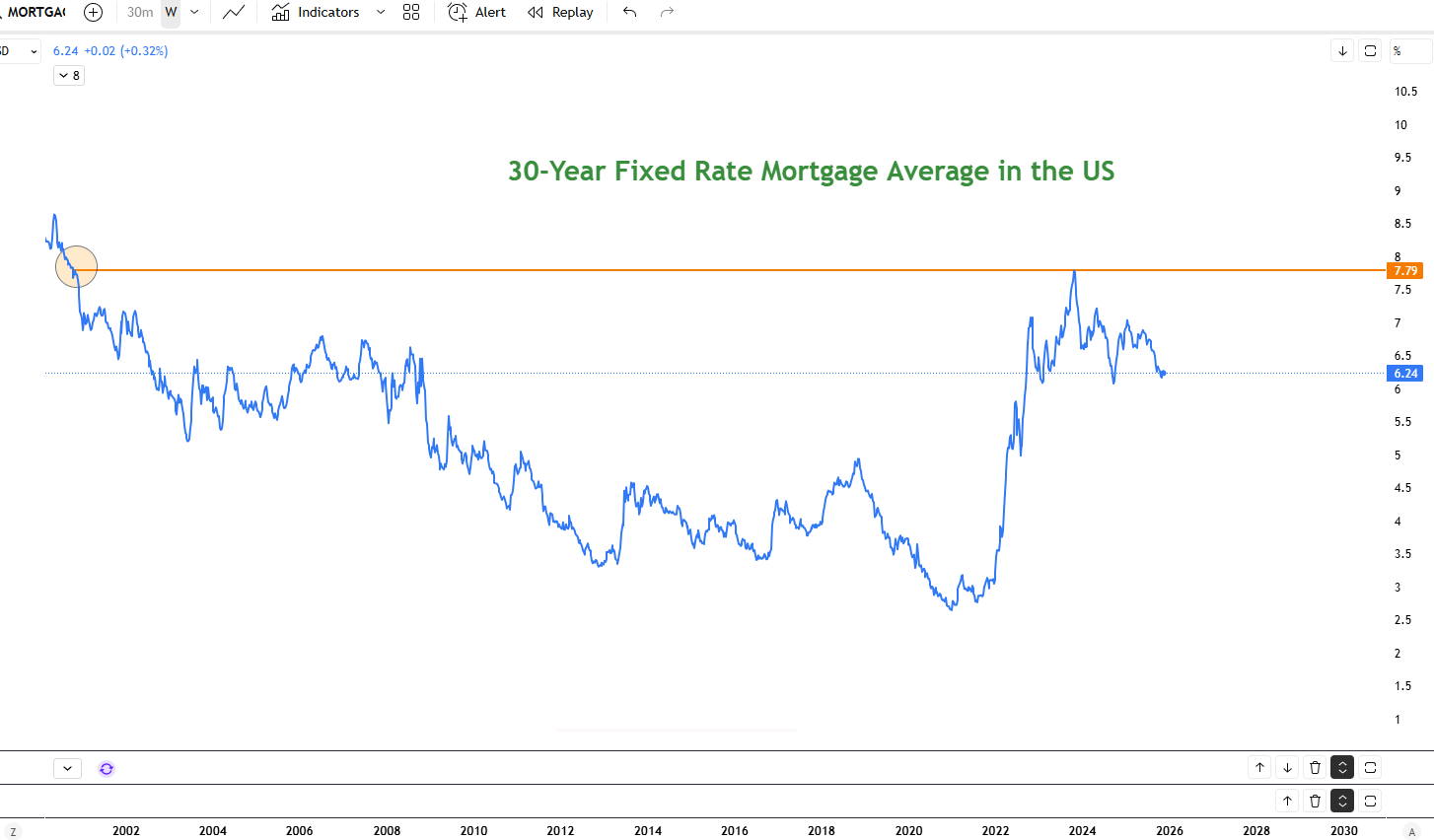
One idea circulating lately is the introduction of 50-year mortgages. Supporters view them as a potential lifeline for buyers who have been pushed out of the market. The appeal is clear: lower monthly payments and a path to ownership in an increasingly expensive landscape.
Critics see the other side. Extending payments over half a century may ease the short-term pressure, but it does not address the core issue: prices are too high. Some argue that longer maturities could even inflate prices further by giving buyers more borrowing power, ultimately worsening the same affordability challenge policymakers are trying to fix.
Recent data paints a complicated picture. Mortgage applications have improved slightly, supported by a modest pullback in long-term yields. But new-home construction and existing-home sales still point to a market that is cooling rather than recovering. Builders are offering incentives, buyers are negotiating more aggressively, and sellers are becoming more realistic about pricing. Yet nothing in the current trends suggests a broad decline. The market is stabilizing, not collapsing.
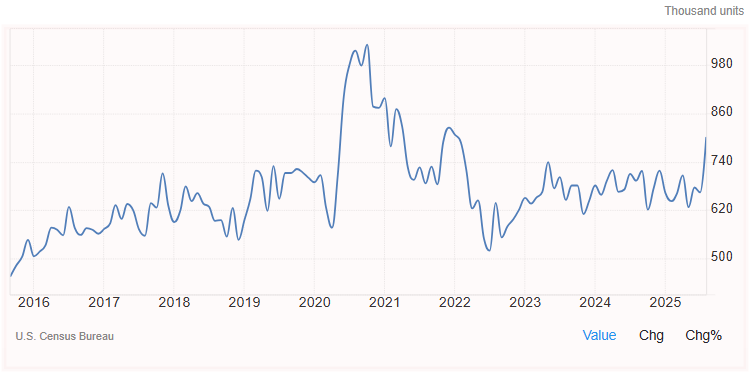
Looking ahead, the central question is whether any policy shift (including ultra-long mortgages) can truly improve affordability. Without more supply or a meaningful drop in rates, households will continue to face the same structural barriers. A 50-year mortgage may offer marginal relief, but it is unlikely to resolve the imbalance that has shaped the US housing market for years. For now, the outlook remains unchanged: tight supply, cautious buyers, and a market waiting for a more definitive signal before deciding where it goes next.
Global markets remained dominated by dollar strength as geopolitical tensions and rising energy prices reshaped monetary expectations.
 Oil Tanker Attacks Create Volatility
Recent strikes on oil tankers in the Persian Gulf have exposed the extreme vulnerability of global energy supplies. Footage of burning vessels near the Iraqi coastline has saturated financial media, serving as a reminder to market participants of the risks inherent in the region. Whenever tensions escalate in this region, energy traders immediately begin pricing in the possibility of supply disruptions.
Detail Dollar Leads as Markets Reprice Risk (03.12.2026)Currency markets remained under pressure as energy-driven inflation concerns and ongoing geopolitical tensions continued to support the U.S. dollar.
Then Join Our Telegram Channel and Subscribe Our Trading Signals Newsletter for Free!
Join Us On Telegram!


