


Recent strikes on oil tankers in the Persian Gulf have exposed the extreme vulnerability of global energy supplies. Footage of burning vessels near the Iraqi coastline has saturated financial media, serving as a reminder to market participants of the risks inherent in the region. Whenever tensions escalate in this region, energy traders immediately begin pricing in the possibility of supply disruptions.
The focal point of this instability is the Strait of Hormuz, arguably the most critical maritime chokepoint on earth. Positioned between Iran and Oman, this narrow waterway facilitates the passage of approximately one-fifth of the world’s daily oil consumption. Because of this concentration, even isolated military incidents or security threats compel shipping firms and insurers to re-evaluate their operational risks. Such reassessments typically trigger a rapid surge in freight costs, insurance premiums, and overall delivery timelines.
Energy analysts emphasize that oil flows do not have to cease entirely to destabilize prices. The mere anticipation of a disruption is sufficient to shift market dynamics. When tankers are targeted or ports are forced into temporary closures, traders recalibrate their expectations for future availability. This pervasive uncertainty pushes crude prices upward and introduces significant volatility into secondary sectors, including manufacturing, aviation, and global transportation.
International bodies, including the International Energy Agency, are currently tracking the situation with high concern. These institutions have cautioned that a sustained conflict in the Persian Gulf could strip millions of barrels per day from the global supply chain. While strategic petroleum reserves and increased output from non-OPEC nations might mitigate some of the immediate impact, the long-term restoration of stable, secure shipping routes remains the most vital factor for market health.
These developments remind the reality that geopolitical risks are a primary driver of commodity markets. Oil prices are affected by more than just basic supply and demand statistics; they are deeply tied to military developments and the security of transit corridors. As long as tensions characterize the Strait of Hormuz, energy markets will continue to react sharply to every new headline.
Global markets remained focused on shifting central bank expectations, U.S. fiscal concerns, and Middle East risks.
Global markets remained focused on U.S. fiscal concerns, shifting central bank expectations, and renewed Middle East tensions.
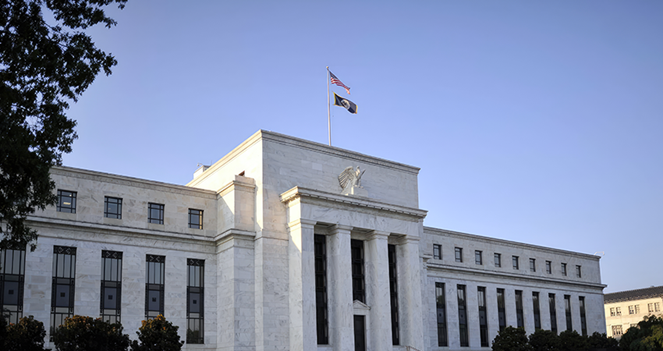 Fed Inflation Concerns Remain
The latest Federal Reserve minutes show that inflation remains a central concern for policymakers, even as recent economic data has reduced the urgency for another rate increase. Some officials believe price pressures are becoming more widespread, while a smaller group directly supported further tightening.
DetailThen Join Our Telegram Channel and Subscribe Our Trading Signals Newsletter for Free!
Join Us On Telegram!


