


In December 2024, U.S. private businesses added 122,000 jobs, marking the smallest gain in four months and falling short of analysts' expectations of 140,000.
Healthcare continued to drive employment growth, maintaining its leadership in job additions. Leisure and hospitality added 22,000 jobs, reflecting a steady recovery in consumer-facing industries. In contrast, manufacturing faced challenges, losing 11,000 jobs for the third month, signaling ongoing difficulties in the sector.
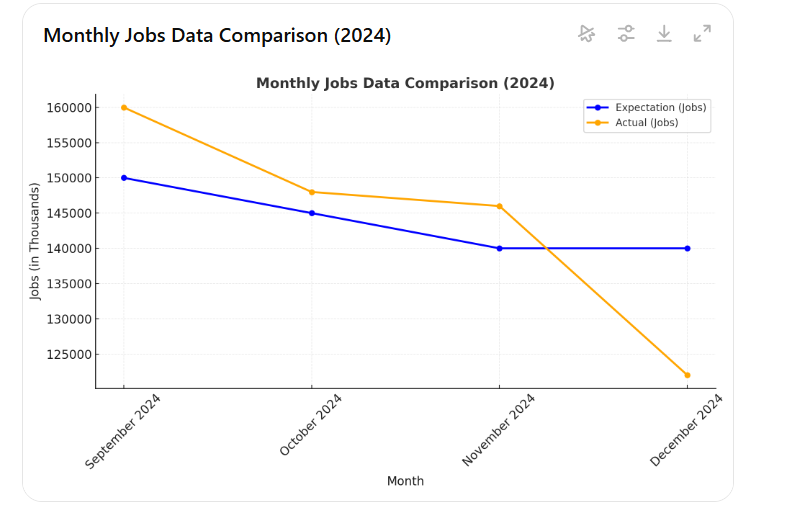
Table 1: Monthly Jobs Data Comparison (2024), Reuters
Key economic indicators to monitor include Federal Reserve policy, with upcoming meetings and statements offering insights into monetary direction and its impact on market liquidity and interest rates. Inflation data remains critical, influencing purchasing power, corporate profit margins, stock valuations, and bond yields. Additionally, shifts in consumer spending, a key driver of economic growth, could indicate changes in economic momentum and impact various market sectors.
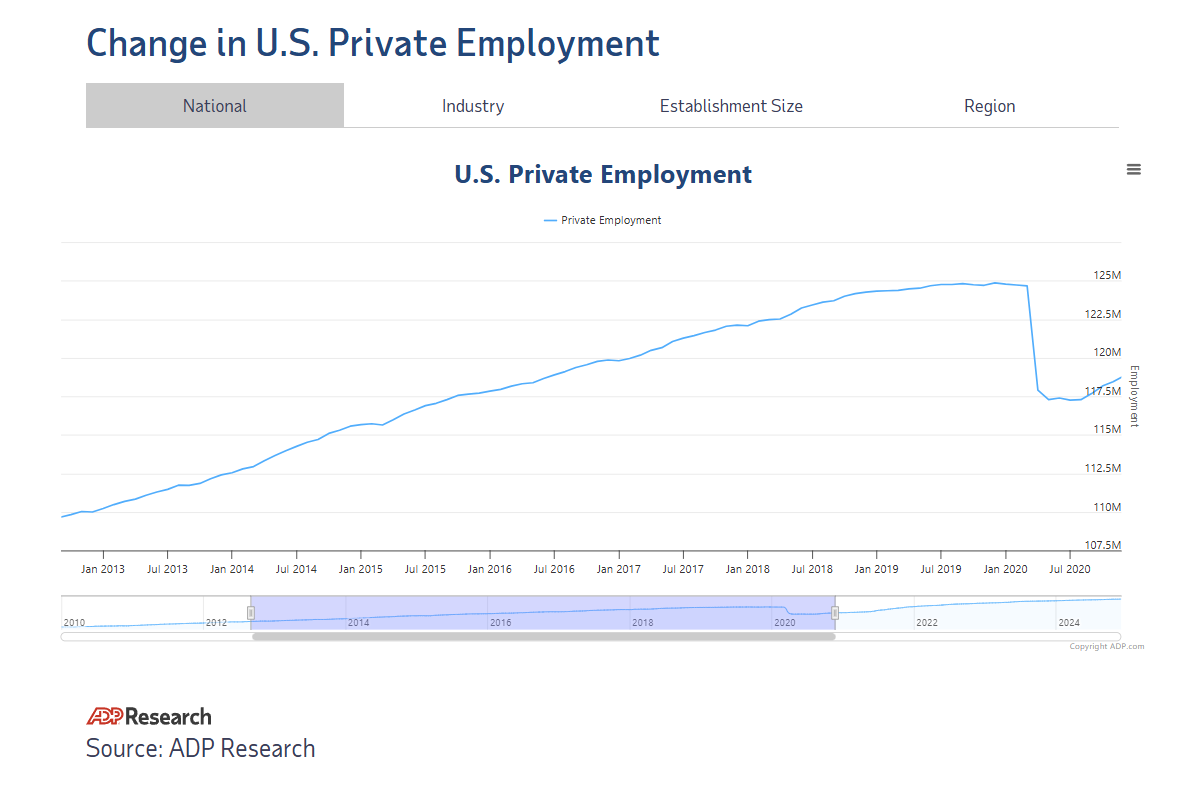
Source: ADP
A deepening sell-off in technology and artificial intelligence stocks pressured financial markets, forcing investors to liquidate precious metals holdings to cover losses elsewhere.
Escalating Middle East tensions pushed oil prices higher following a deadly drone strike on Saudi Aramco's Shaybah facility, renewing inflation concerns and expectations for further Federal Reserve tightening.
Rising oil prices renewed inflation concerns as uncertainty surrounding the US-Iran conflict and continued disruptions in the Strait of Hormuz reinforced expectations for further monetary tightening.
Then Join Our Telegram Channel and Subscribe Our Trading Signals Newsletter for Free!
Join Us On Telegram!


