


The Governing Council of the European Central Bank (ECB) decided to reduce the three key interest rates by 25 basis points.
Today, the Governing Council of the European Central Bank (ECB) decided to reduce the three key interest rates by 25 basis points. This move, particularly regarding the deposit facility rate is essential for shaping the ECB's monetary policy stance. It reflects the Council's reassessment of inflation trends, underlying inflationary pressures, and the effectiveness of monetary policy transmission.
Recent data indicates that the disinflationary process is progressing well, but the inflation outlook has been impacted by unexpected declines in economic activity. Additionally, financing conditions remain tight, adding to the complexity of the economic environment. Inflation is expected to rise in the coming months before gradually returning to the 2% target over the next year. Despite elevated domestic inflation driven by wage increases, labor cost pressures are anticipated to ease, with corporate profits helping to counterbalance these pressures.
The Governing Council remains committed to returning inflation to its medium-term target of 2% and will keep policy rates at restrictive levels for as long as necessary to achieve this goal. The Council will continue to adopt a data-driven, meeting-by-meeting approach, making decisions based on a thorough evaluation of the inflation outlook, economic data, underlying inflation dynamics, and the transmission strength of its monetary policy. It also emphasized that it is not committed to a specific future rate trajectory.
Global markets remained focused on U.S. fiscal concerns, shifting central bank expectations, and renewed Middle East tensions.
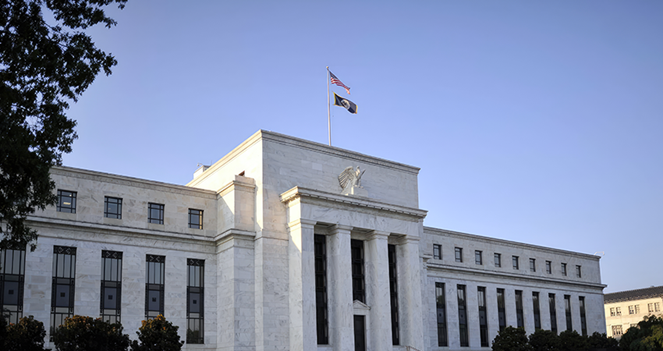 Fed Inflation Concerns Remain
The latest Federal Reserve minutes show that inflation remains a central concern for policymakers, even as recent economic data has reduced the urgency for another rate increase. Some officials believe price pressures are becoming more widespread, while a smaller group directly supported further tightening.
Detail Dollar Falls on Debt Concerns as Yields Rise (24 – 28 August)
Global markets entered the week with the US dollar under continued pressure as concerns over federal debt and Treasury market management moved to the center of investor attention. The Dollar Index hovered near 98.8 following sharp losses in the previous week, while the US Treasury’s expanded bond buyback programme pushed longer-term yields and the dollar lower. The move supported gold, silver, and major currencies, while investors assessed its longer-term implications for US borrowing costs and the yield curve.
DetailThen Join Our Telegram Channel and Subscribe Our Trading Signals Newsletter for Free!
Join Us On Telegram!


