


Germany’s annual inflation rate slowed to 2.3% in January 2025, down from 2.6% in December, according to the Federal Statistical Office. The decrease matched preliminary estimates and reflected easing price pressures across key sectors, particularly in food and services.
The continued decline in food, energy, and core inflation suggests easing cost pressures in Germany, aligning with broader eurozone inflation trends. However, with services prices still elevated, policymakers will closely monitor price developments to assess potential monetary policy adjustments in the coming months.
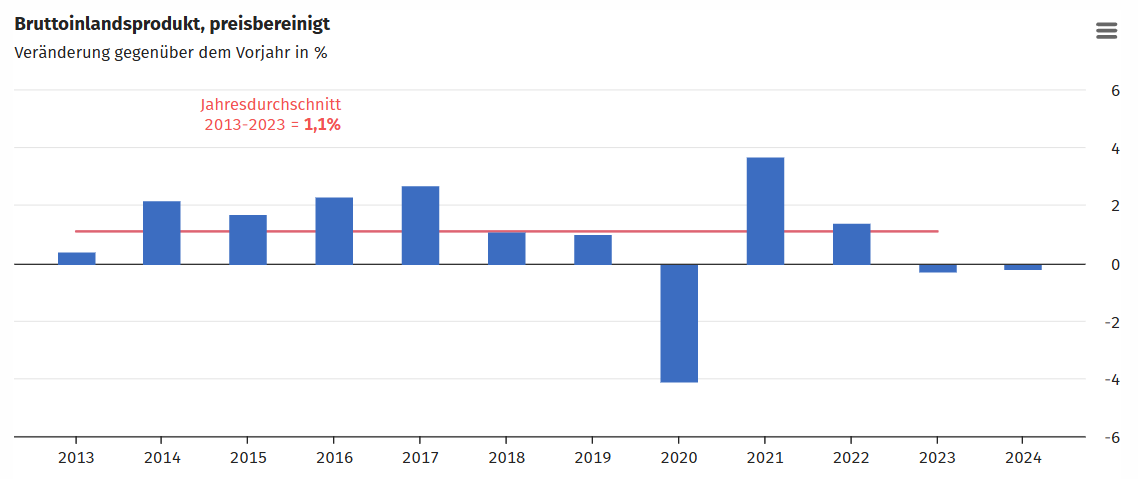
Source: Federal Statistical Office
Escalating Middle East tensions pushed oil prices higher following a deadly drone strike on Saudi Aramco's Shaybah facility, renewing inflation concerns and expectations for further Federal Reserve tightening.
Rising oil prices renewed inflation concerns as uncertainty surrounding the US-Iran conflict and continued disruptions in the Strait of Hormuz reinforced expectations for further monetary tightening.
Elevated oil prices and rising Treasury yields weighed on precious metals as persistent geopolitical tensions reinforced inflation concerns and expectations for further Federal Reserve tightening.
Then Join Our Telegram Channel and Subscribe Our Trading Signals Newsletter for Free!
Join Us On Telegram!


