


Retail sales in Germany increased by 1.1% in real terms and 2.5% in nominal terms in 2024 compared to the previous year, according to preliminary data from Destatis.
Retail sales in Germany increased by 1.1% in real terms and 2.5% in nominal terms in 2024 compared to the previous year, according to preliminary data from Destatis. However, this figure was revised down by 0.2 percentage points from the initial estimate released on January 8, 2025, which had incorporated late Christmas sales reports.
The first half of 2024 saw a 0.5% decline in real retail sales compared to the same period in 2023, reflecting subdued consumer spending amid economic uncertainty. However, the sector rebounded in the second half of the year, with a 2.6% increase in real sales, driven by improved consumer confidence and higher household expenditures.
Despite the annual increase, retail sales remained 2.9% below the record highs of 2021, indicating that the sector has yet to fully recover from pandemic-related shifts and inflationary pressures. However, compared to pre-pandemic levels in 2019, real retail sales were up by 2.3%, while nominal sales surged by 22.8%, highlighting the impact of inflation and price adjustments over recent years.
The latest data reflects a gradual stabilization in Germany’s retail sector, with a strong second-half performance helping to offset earlier declines, though broader economic recovery remains a key factor for future growth.
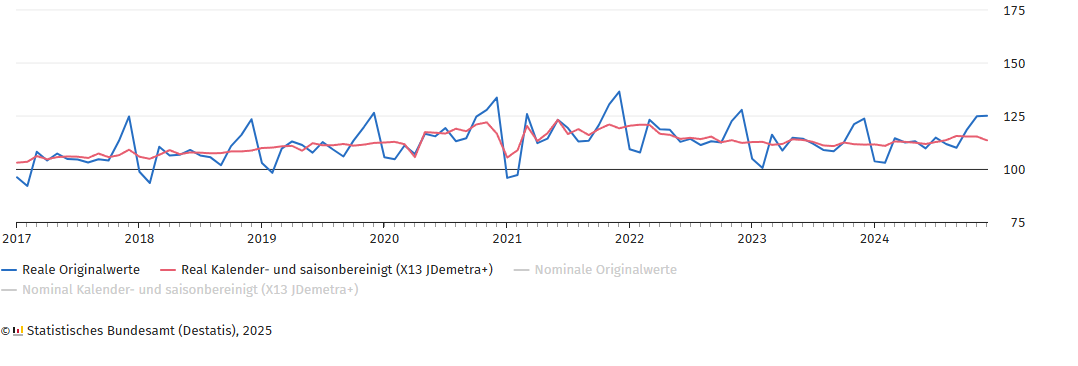
Source: Destatis
A deepening sell-off in technology and artificial intelligence stocks pressured financial markets, forcing investors to liquidate precious metals holdings to cover losses elsewhere.
Escalating Middle East tensions pushed oil prices higher following a deadly drone strike on Saudi Aramco's Shaybah facility, renewing inflation concerns and expectations for further Federal Reserve tightening.
Rising oil prices renewed inflation concerns as uncertainty surrounding the US-Iran conflict and continued disruptions in the Strait of Hormuz reinforced expectations for further monetary tightening.
Then Join Our Telegram Channel and Subscribe Our Trading Signals Newsletter for Free!
Join Us On Telegram!


