


The PCE price index increased by 0.1% in November, with a similar 0.1% rise when excluding food and energy.
Real disposable personal income (DPI) grew by 0.2%, while real personal consumption expenditures (PCE) rose by 0.3%. Goods prices climbed by 0.7%, and services prices increased by 0.1%. Compared to October, the overall PCE price index saw a 0.1% rise in November, with goods prices increasing by less than 0.1% and services prices by 0.2%. Food and energy prices both rose by 0.2%, and excluding these categories, the PCE price index still showed a 0.1% uptick.
Year-over-year, the PCE price index for November rose by 2.4%. Over the same period, goods prices fell by 0.4%, while services prices increased by 3.8%. Food prices were up 1.4%, and energy prices decreased by 4.0%. Excluding food and energy, the PCE price index experienced a 2.8% annual increase.
Source: Bureau of Economic Analysis
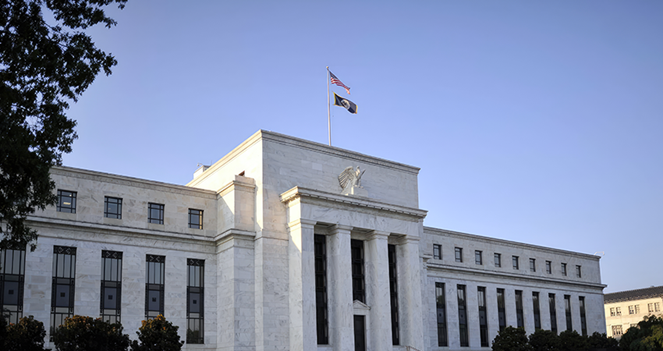 Fed Inflation Concerns Remain
The latest Federal Reserve minutes show that inflation remains a central concern for policymakers, even as recent economic data has reduced the urgency for another rate increase. Some officials believe price pressures are becoming more widespread, while a smaller group directly supported further tightening.
Detail Dollar Falls on Debt Concerns as Yields Rise (24 – 28 August)
Global markets entered the week with the US dollar under continued pressure as concerns over federal debt and Treasury market management moved to the center of investor attention. The Dollar Index hovered near 98.8 following sharp losses in the previous week, while the US Treasury’s expanded bond buyback programme pushed longer-term yields and the dollar lower. The move supported gold, silver, and major currencies, while investors assessed its longer-term implications for US borrowing costs and the yield curve.
Detail Persistent USD Weakness Lifts Yields (08.24.2026)Global markets remained shaped by persistent U.S. dollar weakness, shifting central bank expectations, and renewed Middle East risks.
Then Join Our Telegram Channel and Subscribe Our Trading Signals Newsletter for Free!
Join Us On Telegram!


