




The UK private sector returned to modest growth in June, rounding off the second quarter on a more positive note.
According to the latest flash PMI data, manufacturing output rose at one of its strongest rates since the pandemic, helping offset a noticeable slowdown in services.
While the uptick in manufacturing breathed some life back into the economy, demand conditions remained fragile. New orders declined for a second straight month, though the pace of contraction eased.
There was a silver lining on the inflation front. Input cost inflation fell to its lowest level since early 2020, and output prices rose at their slowest pace in four years, a welcome sign for the Bank of England as it monitors inflation risks.
However, business sentiment took a hit. Confidence about the year ahead dropped to a six-month low, reflecting ongoing caution amid weak demand and policy uncertainty.
Chris Williamson, Chief Business Economist at S&P Global Market Intelligence, commented:
“The UK economy started Q2 on shaky ground but found some stability in June. Manufacturing output rebounded strongly, but the services sector lost steam. Overall growth remains fragile.”
“With new orders still falling and confidence weakening, businesses remain cautious. But easing price pressures could help ease concerns at the Bank of England.”
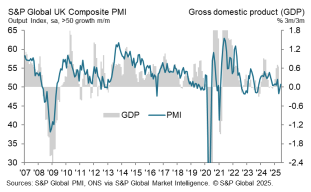
Source: S&P Global
Global markets remained dominated by dollar strength as geopolitical tensions and rising energy prices reshaped monetary expectations.
 Oil Tanker Attacks Create Volatility
Recent strikes on oil tankers in the Persian Gulf have exposed the extreme vulnerability of global energy supplies. Footage of burning vessels near the Iraqi coastline has saturated financial media, serving as a reminder to market participants of the risks inherent in the region. Whenever tensions escalate in this region, energy traders immediately begin pricing in the possibility of supply disruptions.
Detail Dollar Leads as Markets Reprice Risk (03.12.2026)Currency markets remained under pressure as energy-driven inflation concerns and ongoing geopolitical tensions continued to support the U.S. dollar.
Then Join Our Telegram Channel and Subscribe Our Trading Signals Newsletter for Free!
Join Us On Telegram!


