


The Producer Price Index (PPI) for final demand increased by 0.2% in December, seasonally adjusted, according to the U.S. Bureau of Labor Statistics.
The Producer Price Index (PPI) for final demand increased by 0.2% in December, seasonally adjusted, according to the U.S. Bureau of Labor Statistics. This follows a 0.4% rise in November and a 0.2% increase in October. For the year 2024, the PPI for final demand grew by 3.3% on an unadjusted basis, significantly higher than the 1.1% annual increase recorded in 2023.
The December price increase was largely driven by a 0.6% rise in the index for final demand goods, reflecting stronger price pressures in this category. Meanwhile, prices for final demand services remained unchanged, signaling stability in service-related costs.
When excluding volatile components such as food, energy, and trade services, the PPI for final demand rose by a modest 0.1% in December, matching the growth seen in November. Over the course of 2024, this core measure increased by 3.3%, up from a 2.7% rise in 2023, highlighting ongoing inflationary pressures in underlying producer prices.
The December data underscores a steady upward trend in producer prices, with goods driving much of the monthly and annual growth, while service prices held steady. The notable acceleration in the annual PPI growth for 2024 compared to 2023 reflects broader inflationary dynamics in the U.S. economy.
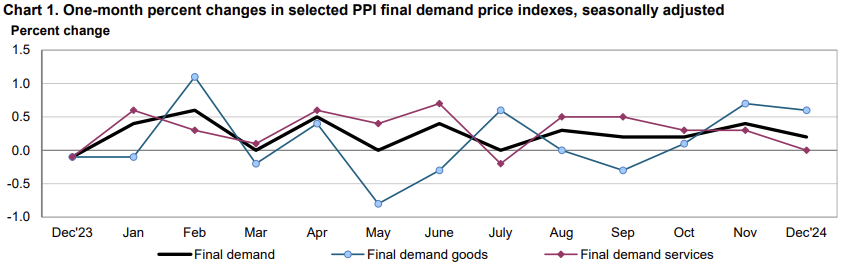
Source: U.S. Bureau of Labor Statistics
Renewed expectations for further Federal Reserve tightening kept the dollar supported as policymakers continued to warn about persistent inflation risks.
 Fed, BOJ Hikes Lift Dollar as Oil Falls (21 – 25 September)
Global markets entered the week balancing tighter monetary policy against signs of easing Middle East energy risks. The Federal Reserve remains the main macro driver after raising rates to 3.75%–4.00%, its first hike since 2023, and signaling that another increase remains possible this year. The Dollar Index advanced to 100.4, while Treasury yields remained elevated. The Bank of Japan also tightened policy, raising rates to 1.25%, although dissent within the board suggested that future increases could come at a slower pace.
Detail Falling Oil Prices Support Metals (09.21.2026)Easing oil prices offered some relief to financial markets as renewed diplomatic efforts in the Middle East reduced immediate inflation concerns.
Then Join Our Telegram Channel and Subscribe Our Trading Signals Newsletter for Free!
Join Us On Telegram!


