


Global markets remained under pressure on Tuesday as expectations for tighter Federal Reserve policy outweighed optimism surrounding progress in U.S.–Iran negotiations.
Precious metals extended their declines, while the dollar stayed firm near multi-month highs. The euro slipped to its weakest level since March despite easing energy concerns, and the yen remained pinned near historic lows as yield differentials continued to favor the dollar. Meanwhile, political uncertainty in the UK and improving global oil supply conditions kept investors focused on upcoming U.S. PCE inflation data for fresh policy clues.
| Time | Cur. | Event | Forecast | Previous |
| 13:45 | USD | S&P Global Services PMI (Jun) | 51.1 | 50.7 |
| 13:45 | USD | S&P Global Manufacturing PMI (Jun) | 54.6 | 55.1 |
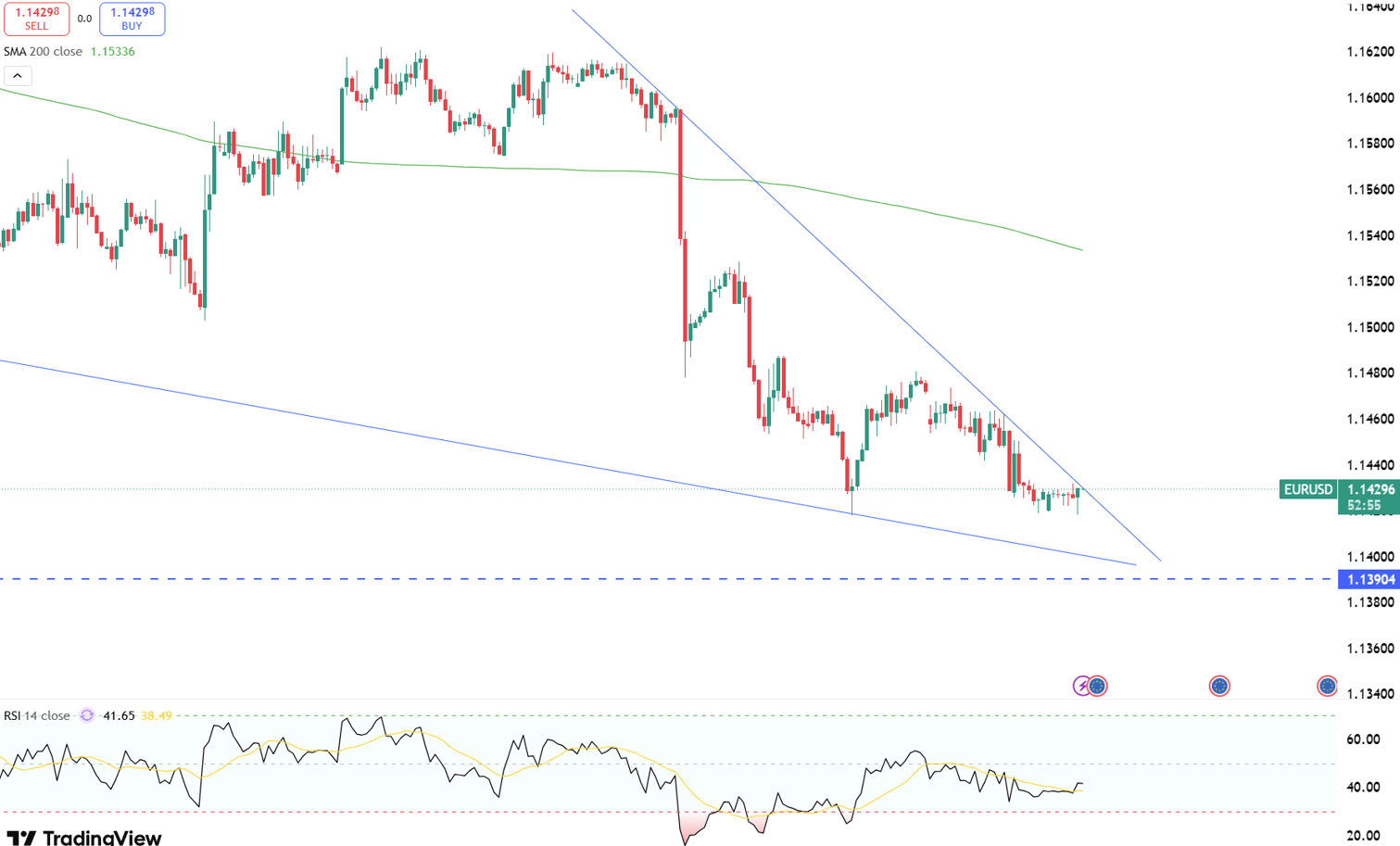
The euro slid to a mid-March low of $1.143, ignoring the relief in energy markets brought by advancing U.S.–Iran negotiations. European assets faced additional headwinds from escalating British political turmoil following Keir Starmer’s resignation. Meanwhile, oil prices climbed on fresh Middle Eastern optimism despite Donald Trump’s warnings to Hezbollah. Traders continue to brace for further European Central Bank policy tightening after a recent 25 basis point hike pushed interest rates to 2.25%.
The first resistance is positioned at 1.1450 while the support starts from 1.1400.
| R1: 1.1450 | S1: 1.1400 |
| R2: 1.1500 | S2: 1.1350 |
| R3: 1.1540 | S3: 1.1310 |
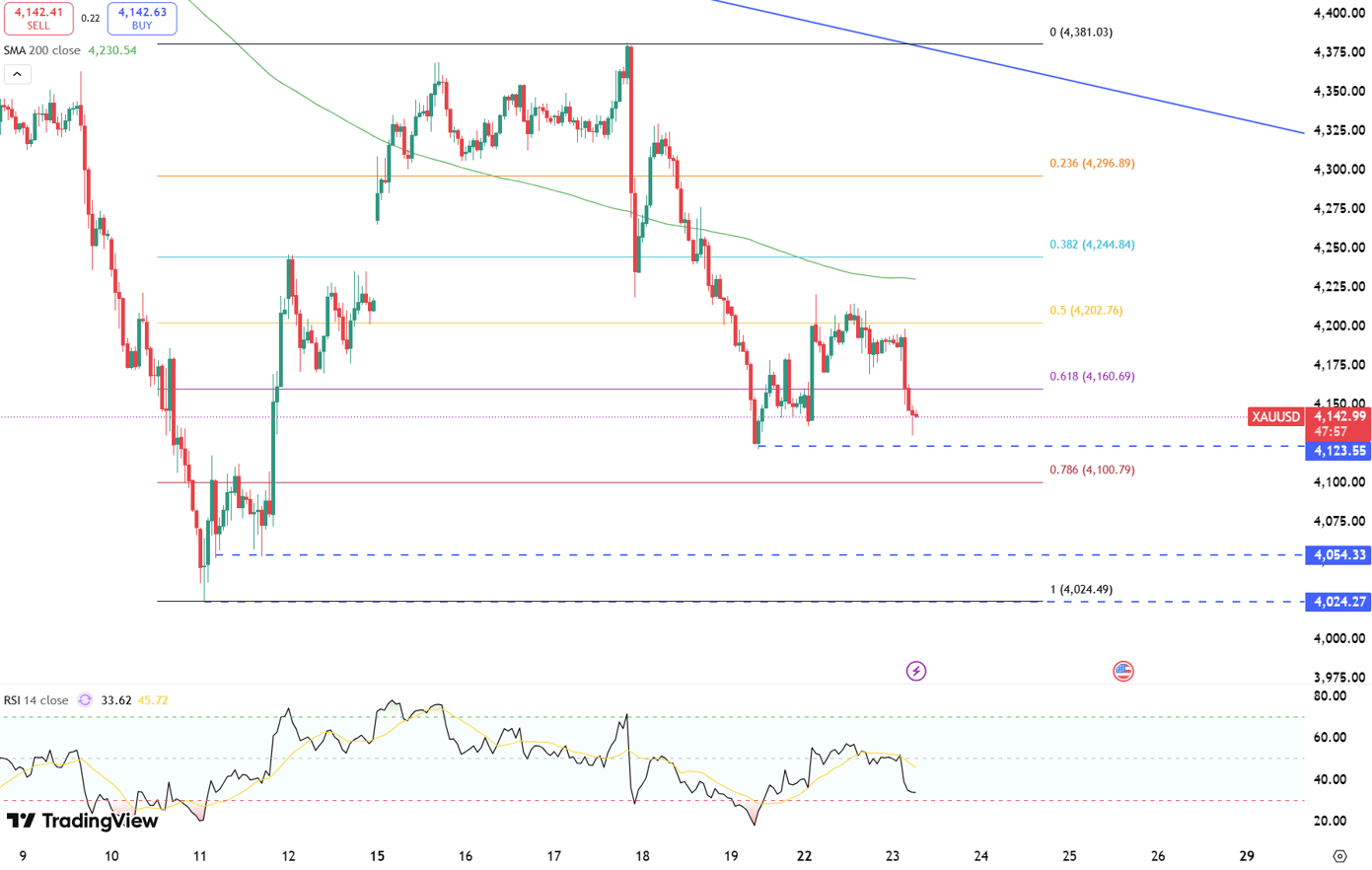
Gold values drifted below $4,150 per ounce on Tuesday, as aggressive Federal Reserve interest rate expectations overshadowed the positive sentiment coming from U.S.–Iran peace negotiations. Both Deutsche Bank and Bank of America adjusted their projections to incorporate a potential rate hike in September. Market participants now await the upcoming PCE inflation report for directional clarity. Also, global supply conditions improved following a U.S. license permitting Iranian crude exports alongside expanding traffic through the Strait of Hormuz.
First resistance is seen at $4,180, with initial support near $4,100.
| R1: 4180 | S1: 4100 |
| R2: 4240 | S2: 4050 |
| R3: 4300 | S3: 4000 |
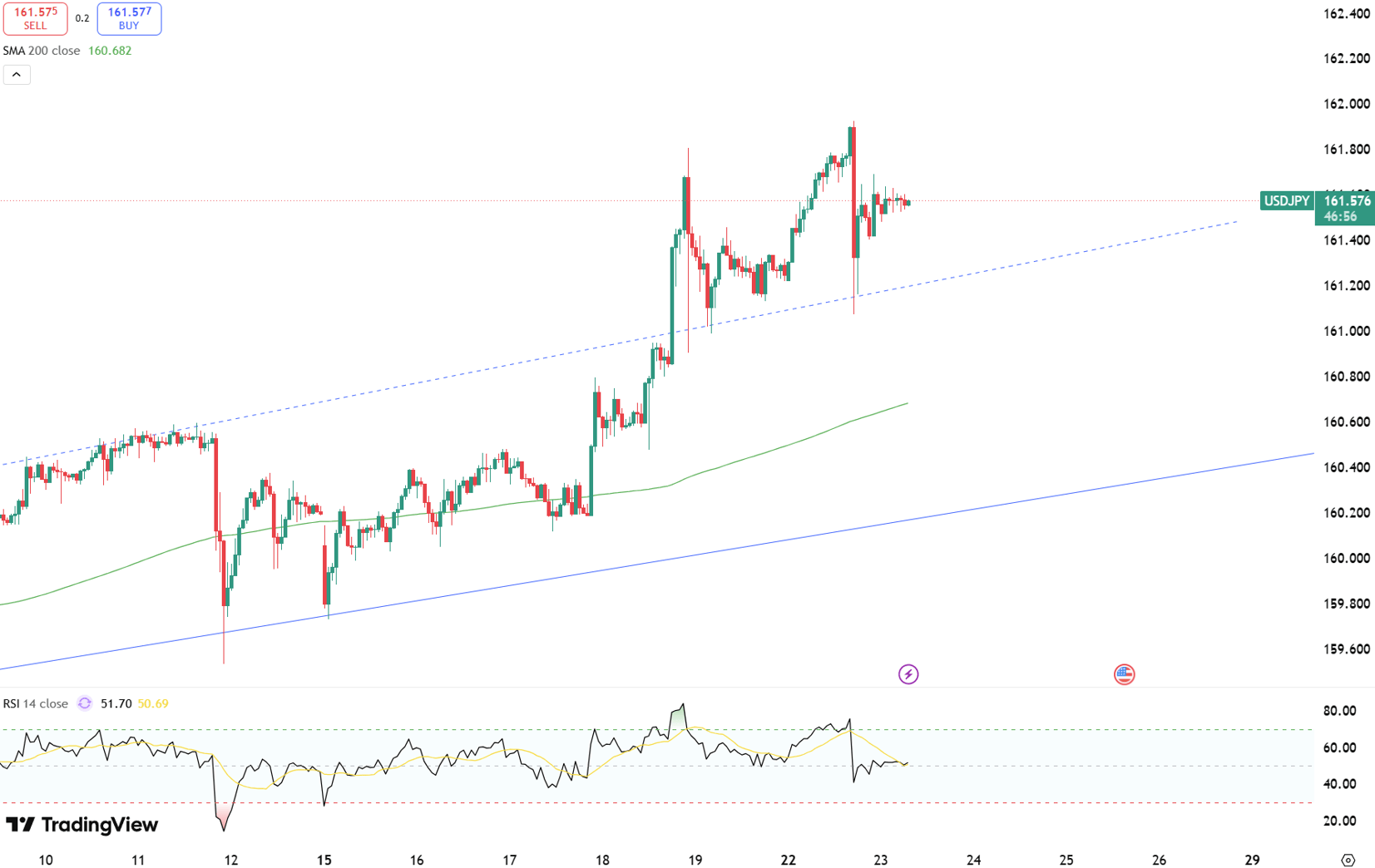
The Japanese yen fluctuated near 161.5 per dollar on Tuesday, remaining stuck near its weakest levels since 1986 after fresh verbal warnings from Tokyo failed to spark a rally. While Japanese authorities emphasized joint efforts with Washington to stabilize exchange rates, traders remain wary of actual currency intervention. Despite the Bank of Japan's recent rate increase, deep yield disparities and a strong US Dollar keep the yen heavily pressured.
Initial resistance stands at 162.00, while the first support is at 161.00.
| R1: 162.00 | S1: 161.00 |
| R2: 162.40 | S2: 160.50 |
| R3: 163.00 | S3: 160.00 |
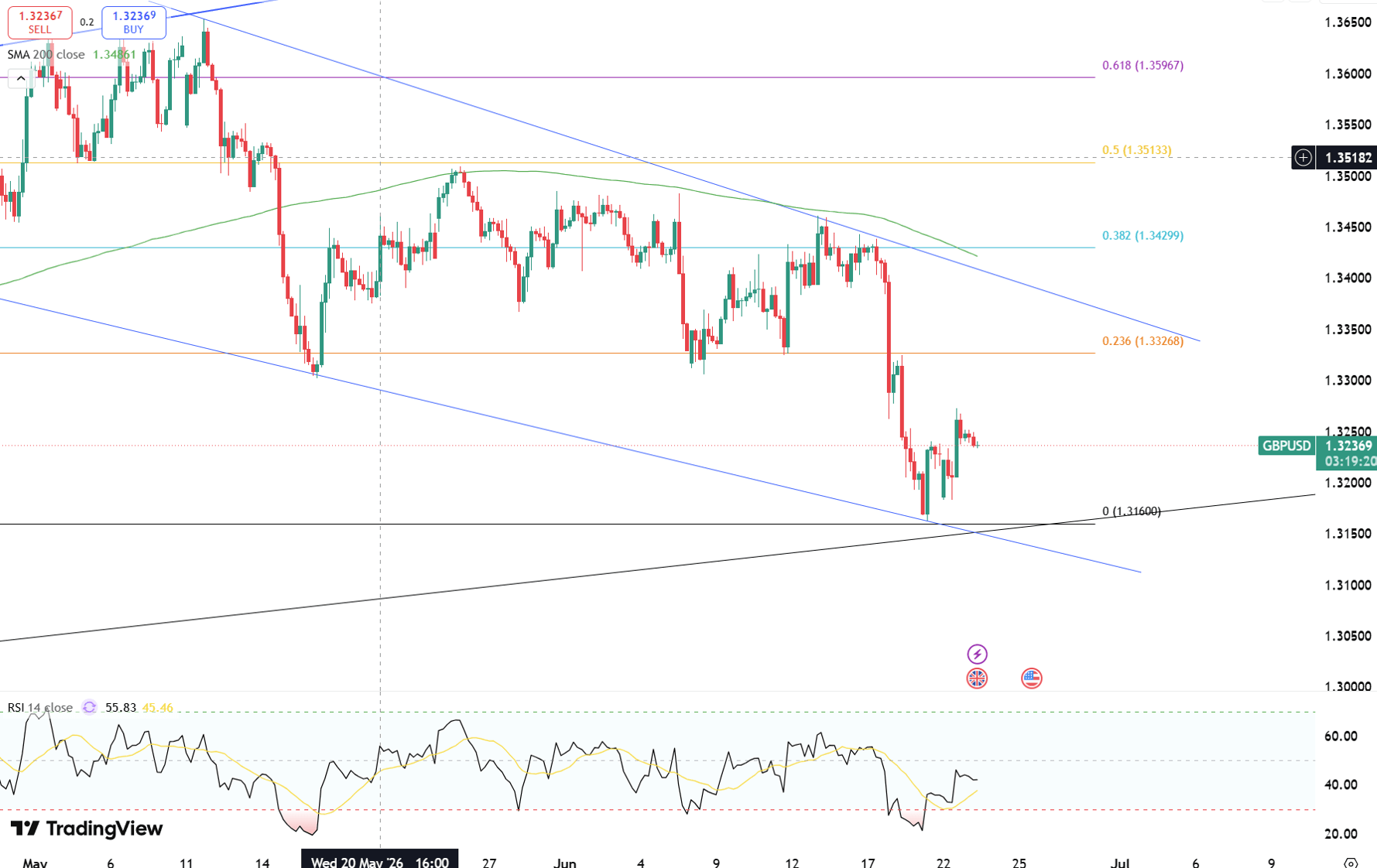
The British pound climbed toward 1.3235, recovering from its lowest level since March following Prime Minister Keir Starmer’s resignation. Market sentiment regarding the political transition improved after Andy Burnham launched a premiership bid with Wes Streeting's backing. However, investors remain highly cautious about the long-term fiscal outlook amid mounting anxieties over increased public spending, accelerated gilt issuance, and heavy debt pressures.
From a technical view, resistance stands near 1.3260, with support around 1.3180.
| R1: 1.3260 | S1: 1.3180 |
| R2: 1.3350 | S2: 1.3110 |
| R3: 1.3510 | S3: 1.3025 |
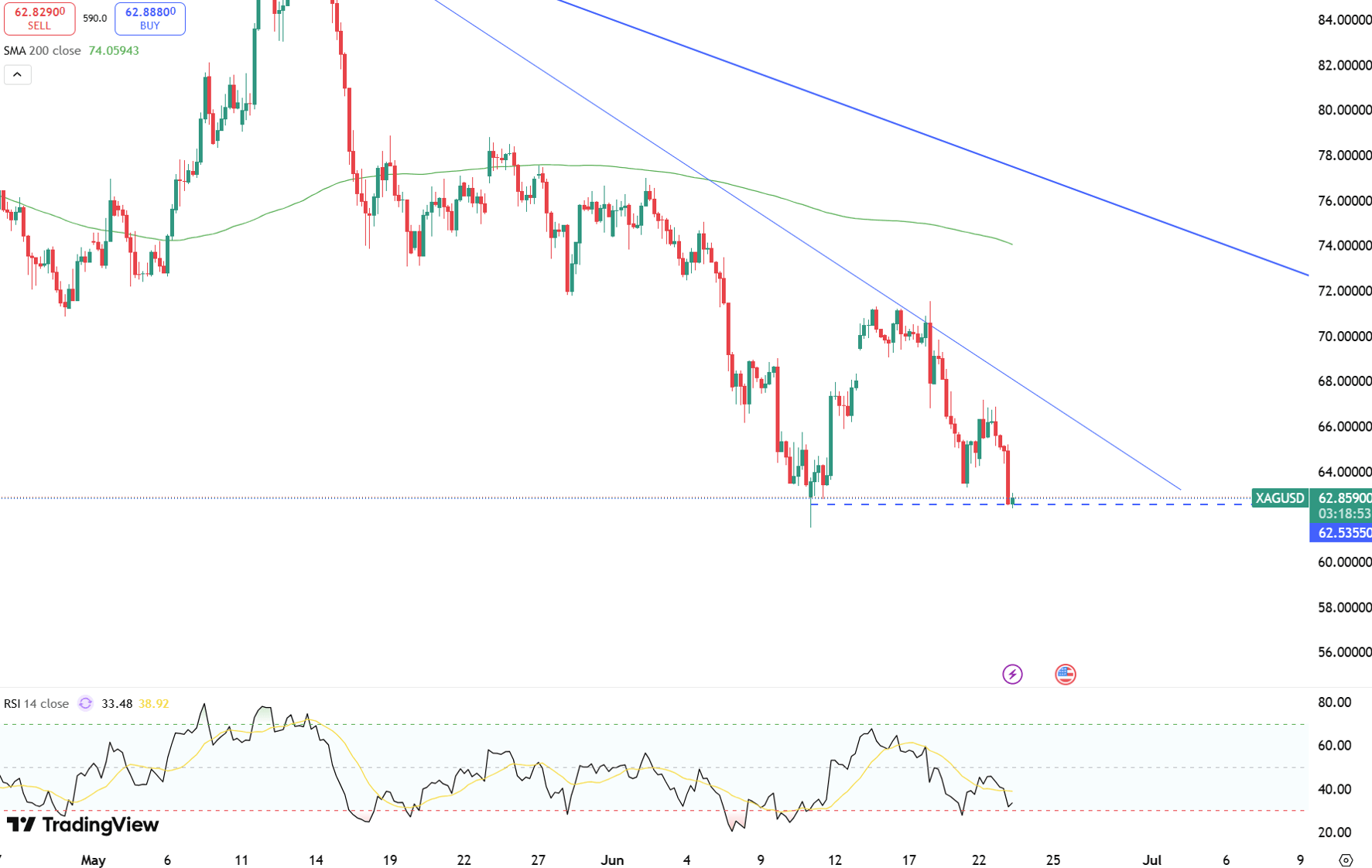
Silver values fell toward $63 per ounce on Tuesday, stretching recent losses as restrictive Federal Reserve monetary expectations eclipsed optimism over U.S.–Iran peace discussions. Forecasts from major institutions like Deutsche Bank and Bank of America were updated to reflect a possible September rate increase. Investors are holding position ahead of vital U.S. PCE inflation data for policy clues. Meanwhile, a U.S. waiver for Iranian oil sales and rising Strait of Hormuz transits signaled expanding global supply.
From a technical view, resistance stands near $64.50, while support is located around $62.00.
| R1: 64.50 | S1: 62.00 |
| R2: 67.30 | S2: 61.00 |
| R3: 69.50 | S3: 59.20 |
A deepening sell-off in technology and artificial intelligence stocks pressured financial markets, forcing investors to liquidate precious metals holdings to cover losses elsewhere.
Escalating Middle East tensions pushed oil prices higher following a deadly drone strike on Saudi Aramco's Shaybah facility, renewing inflation concerns and expectations for further Federal Reserve tightening.
Rising oil prices renewed inflation concerns as uncertainty surrounding the US-Iran conflict and continued disruptions in the Strait of Hormuz reinforced expectations for further monetary tightening.
Then Join Our Telegram Channel and Subscribe Our Trading Signals Newsletter for Free!
Join Us On Telegram!


