


The Bank of England’s Monetary Policy Committee (MPC) voted to reduce the Bank Rate by 0.25 percentage points to 4.5% at its February 5, 2025, meeting. The decision, passed by a 7–2 majority, comes as inflationary pressures moderate, though two members of the committee advocated for a larger 0.5 percentage point cut to 4.25%.
The rate cut marks a shift in the Bank’s restrictive monetary policy, reflecting progress in controlling inflation while maintaining a cautious stance on further easing. The MPC reaffirmed its commitment to achieving its 2% inflation target while also supporting sustainable economic growth and employment.
The MPC noted that sufficient progress has been made in reducing inflation, justifying the rate cut. However, policymakers emphasized a gradual approach to further easing, citing uncertainties in economic conditions.
If demand remains weak relative to supply, inflationary pressures could subside further, potentially supporting additional rate cuts.
However, if supply constraints persist or worsen, domestic price and wage pressures could sustain inflation, requiring a more restrictive policy stance.
The MPC reaffirmed that monetary policy will remain restrictive for as long as necessary to bring inflation sustainably back to its target. Future rate decisions will be based on evolving economic conditions, with the committee adjusting its stance accordingly at each meeting.
With inflation risks still present and economic uncertainties unfolding, the Bank of England remains cautious in its approach, signaling that further policy adjustments will depend on incoming data.
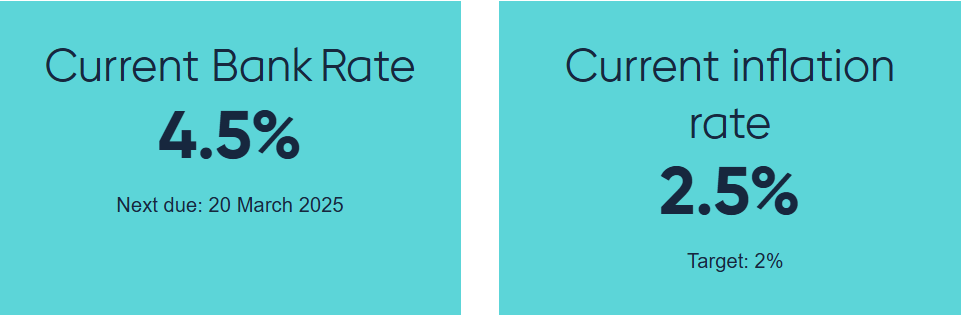
Source: BoE
Escalating Middle East tensions pushed oil prices higher following a deadly drone strike on Saudi Aramco's Shaybah facility, renewing inflation concerns and expectations for further Federal Reserve tightening.
Rising oil prices renewed inflation concerns as uncertainty surrounding the US-Iran conflict and continued disruptions in the Strait of Hormuz reinforced expectations for further monetary tightening.
Elevated oil prices and rising Treasury yields weighed on precious metals as persistent geopolitical tensions reinforced inflation concerns and expectations for further Federal Reserve tightening.
Then Join Our Telegram Channel and Subscribe Our Trading Signals Newsletter for Free!
Join Us On Telegram!


