


Eurozone retail activity offered a steady signal in November 2025, with sales rising 0.2% month over month.
The increase came in slightly above expectations and followed an upwardly revised 0.3% gain in October, extending a short but consistent stretch of positive readings. The data suggests household demand remains intact, even as spending decisions stay measured across the bloc.
The underlying breakdown shows that momentum continues to come from specific categories rather than a broad pickup in consumption.
Taken together, the pattern points to selective spending, with households favoring choice purchases over everyday essentials.
Retail trends varied widely across major euro area economies, highlighting how local conditions continue to shape consumer behavior.
Strength in southern and smaller economies was enough to offset Germany’s pullback, keeping the regional aggregate in positive territory.
Looking beyond the monthly move, retail sales rose 2.3% year over year in November, accelerating from a revised 1.9% in October and surpassing the 1.6% consensus. The improvement supports the view that consumer spending is finding firmer footing after a volatile period earlier in the year, helped by easing inflation pressures and gradual gains in real purchasing power.
While November’s data offers reassurance that Eurozone consumption remains on track, the picture is still uneven and sensitive to domestic conditions. As the region moves into 2026, retail sales will remain a key reference point in assessing whether household demand can continue to provide a steady foundation for growth.
Global markets remained focused on U.S. fiscal concerns, shifting central bank expectations, and renewed Middle East tensions.
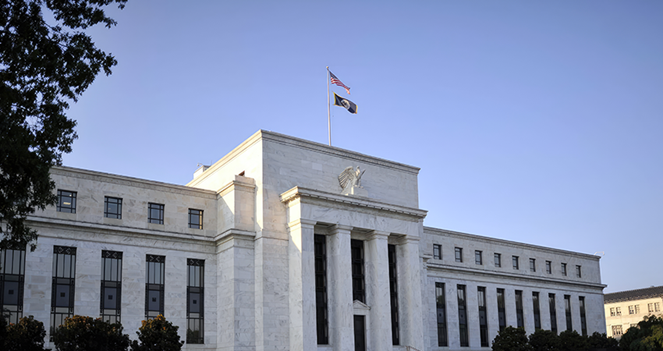 Fed Inflation Concerns Remain
The latest Federal Reserve minutes show that inflation remains a central concern for policymakers, even as recent economic data has reduced the urgency for another rate increase. Some officials believe price pressures are becoming more widespread, while a smaller group directly supported further tightening.
Detail Dollar Falls on Debt Concerns as Yields Rise (24 – 28 August)
Global markets entered the week with the US dollar under continued pressure as concerns over federal debt and Treasury market management moved to the center of investor attention. The Dollar Index hovered near 98.8 following sharp losses in the previous week, while the US Treasury’s expanded bond buyback programme pushed longer-term yields and the dollar lower. The move supported gold, silver, and major currencies, while investors assessed its longer-term implications for US borrowing costs and the yield curve.
DetailThen Join Our Telegram Channel and Subscribe Our Trading Signals Newsletter for Free!
Join Us On Telegram!


