بازارها در آستانه انتشار دادههای مهم تورمی و در شرایط تداوم ابهامات تجاری و ژئوپلیتیک، با احتیاط معامله شدند.





The euro area’s trade surplus with non-EU countries fell to €9.9 billion in April 2025, down from €13.6 billion a year earlier, according to Eurostat. This marks a sharp drop from March’s €37.3 billion surplus, largely driven by a 1.4% decline in exports to €243.0 billion. Imports remained steady at €233.1 billion.
A significant contributor to the decline was the chemicals sector. Its trade surplus shrank to €22.1 billion in April, nearly half of the €42.8 billion recorded in March. Additionally, the surplus in the machinery and vehicles category also fell year-over-year, further dampening the trade balance.
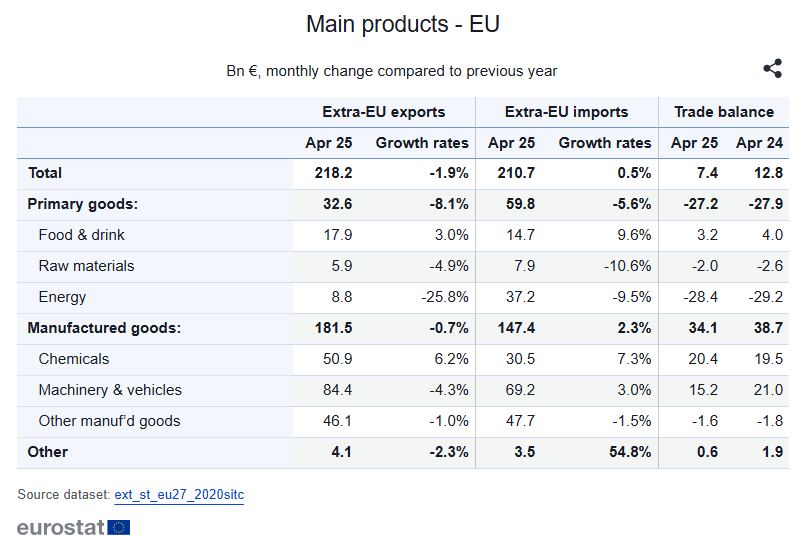
The broader European Union also experienced a trade surplus reduction. In April, the EU27 recorded a €7.4 billion surplus with non-EU countries, compared to €12.8 billion in April 2024. Exports rose 1.1% to €228.4 billion, but imports increased at a faster rate of 3.7%, reaching €221.0 billion.
Despite the weaker April figures, the first four months of 2025 indicate overall resilience. The euro area posted a €71.0 billion cumulative trade surplus, up from €68.6 billion in the same period last year. The EU’s year-to-date surplus reached €58.9 billion, slightly below 2024’s €63.7 billion.
Year-on-year, both exports and imports grew more than 5 percent across the euro area and the EU. This suggests that while sector-specific pressures have emerged, global demand has remained relatively strong so far in 2025.
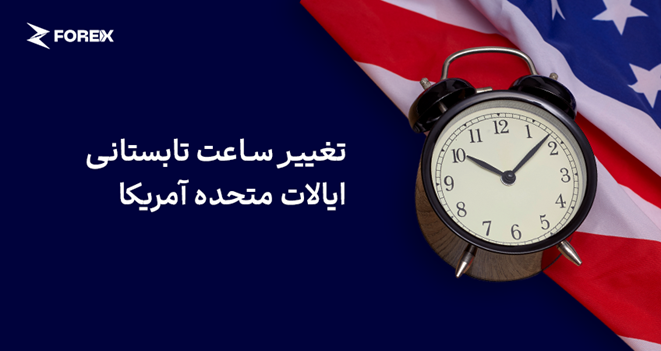 تغییر ساعت تابستانی در ایالات متحده در ۸ مارس ۲۰۲۶
ساعت تابستانی در ایالات متحده در روز یکشنبه، ۸ مارس ۲۰۲۶ تغییر خواهد کرد. برنامه معاملاتی برای ابزارهای مالی مختلف برای تطبیق با ساعات بازار بورس ایالات متحده تنظیم خواهد شد.
جزئیات دادههای تورمی بازارها را در حالت انتظار و احتیاط نگه داشت (02.27.2026)بازارها در فضایی محتاطانه باقی ماندند؛ چرا که تعرفه جهانی جدید ۱۰ درصدی ایالات متحده بر تمایلات ریسکپذیری فشار وارد کرد. یورو و پوند در نزدیکی پایینترین سطوح اخیر خود تحت فشار باقی ماندند، در حالی که ین ژاپن با افزایش دوباره گمانهزنیها درباره احتمال تشدید سیاستهای پولی بانک مرکزی ژاپن تقویت شد
جزئیاتدر کانال تلگرام ما عضو شو و سیگنالهای معاملاتی رایگان رو دریافت کن!
به کانال تلگرام ما بپیوندید!


