


For the week ending January 11, seasonally adjusted initial claims rose to 217,000, reflecting an increase compared to the previous week's revised total.
The 4-week moving average also experienced a minor decline, offering a smoother view of recent trends.
During the week ending January 4, the seasonally adjusted insured unemployment rate remained unchanged at 1.2%, signaling stability. A slight decline was observed in the total number of insured unemployed individuals and the 4-week moving average.
Although the recent week's spike in initial claims is worth keeping an eye on, the insured unemployment rate's stability and the 4-week moving averages' small fall point to a strong underlying labor market. In the coming weeks, these data points will remain important markers of the state of the economy.
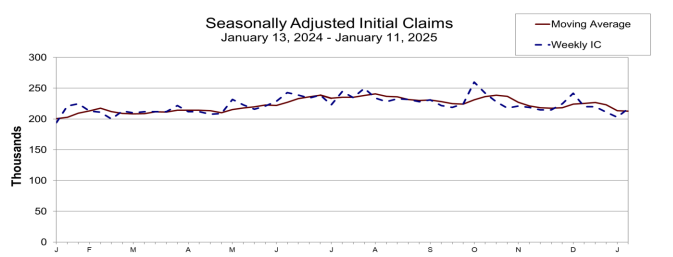
Source: U.S. Department of Labour
 Fed, BOJ Hikes Lift Dollar as Oil Falls (21 – 25 September)
Global markets entered the week balancing tighter monetary policy against signs of easing Middle East energy risks. The Federal Reserve remains the main macro driver after raising rates to 3.75%–4.00%, its first hike since 2023, and signaling that another increase remains possible this year. The Dollar Index advanced to 100.4, while Treasury yields remained elevated. The Bank of Japan also tightened policy, raising rates to 1.25%, although dissent within the board suggested that future increases could come at a slower pace.
Detail Falling Oil Prices Support Metals (09.21.2026)Easing oil prices offered some relief to financial markets as renewed diplomatic efforts in the Middle East reduced immediate inflation concerns.
 BOJ Takes Rates to a 31-Year High
The Bank of Japan raised its key short-term interest rate by 25 basis points to 1.25% in September, pushing borrowing costs to their highest level since April 1995 and taking another step away from decades of ultra-loose monetary policy.
DetailThen Join Our Telegram Channel and Subscribe Our Trading Signals Newsletter for Free!
Join Us On Telegram!


