


American households showed renewed optimism in June, according to the University of Michigan’s latest consumer sentiment survey. The headline Consumer Sentiment Index climbed to 60.5, an increase of 8.3 points from May. This marks the strongest reading since February and surpassed market expectations.
The improvement reflects better perceptions of financial conditions and growing hopes for economic stability in the months ahead.
Two key subcomponents of the survey also showed solid gains:
These results suggest that consumers are feeling more confident about job prospects and their ability to make purchases in the near term.
One of the more encouraging signals from the survey was a notable drop in inflation expectations:
Although these figures remain above levels seen earlier in 2024, the trend suggests inflation concerns are starting to ease. The moderation in inflation sentiment may help support consumer spending and offer some flexibility for policymakers evaluating future interest rate decisions.
Despite the positive shift, risks remain. Consumers still cite concerns about the impact of tariffs and trade policies, which could reignite price pressures. Analysts warn that U.S. trade dynamics may influence inflation trends heading into 2025, even if sentiment stabilizes in the near term.
 BOJ Takes Rates to a 31-Year High
The Bank of Japan raised its key short-term interest rate by 25 basis points to 1.25% in September, pushing borrowing costs to their highest level since April 1995 and taking another step away from decades of ultra-loose monetary policy.
Detail Fed Hike Sets the Tone for Markets (09.18.2026)Monetary policy remained a key driver at the end of the week following the Federal Reserve’s first rate hike since July 2023.
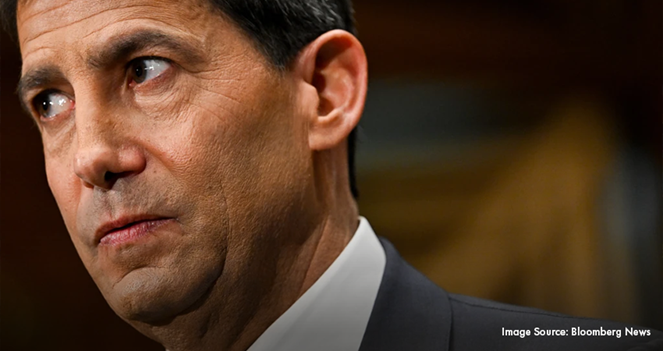 Fed Hikes to 4%, and It May Not Be Done
The Federal Reserve raised interest rates for the first time since 2023, delivering a unanimous 25 basis point increase to 3.75%–4.00% in September.
DetailThen Join Our Telegram Channel and Subscribe Our Trading Signals Newsletter for Free!
Join Us On Telegram!


