


Commodity prices have already made some powerful moves, but the bigger story may still be unfolding. Copper is benefiting from the global buildout of data centers, power grids, and new technology. Gold is supported by high debt, monetary pressure, and steady central bank demand, while silver sits between the monetary and industrial sides of the market.
Put together, these trends raise a bigger question: are we looking at another short-lived rally, or a commodity super-cycle that could extend through 2027?
The next commodity cycle is being driven by more than traditional economic growth. AI, data centers, power grids, nuclear energy, solar systems, chips, and new industrial technologies all require large amounts of physical resources. As investment in these areas accelerates, demand for metals such as copper and silver is rising with it.
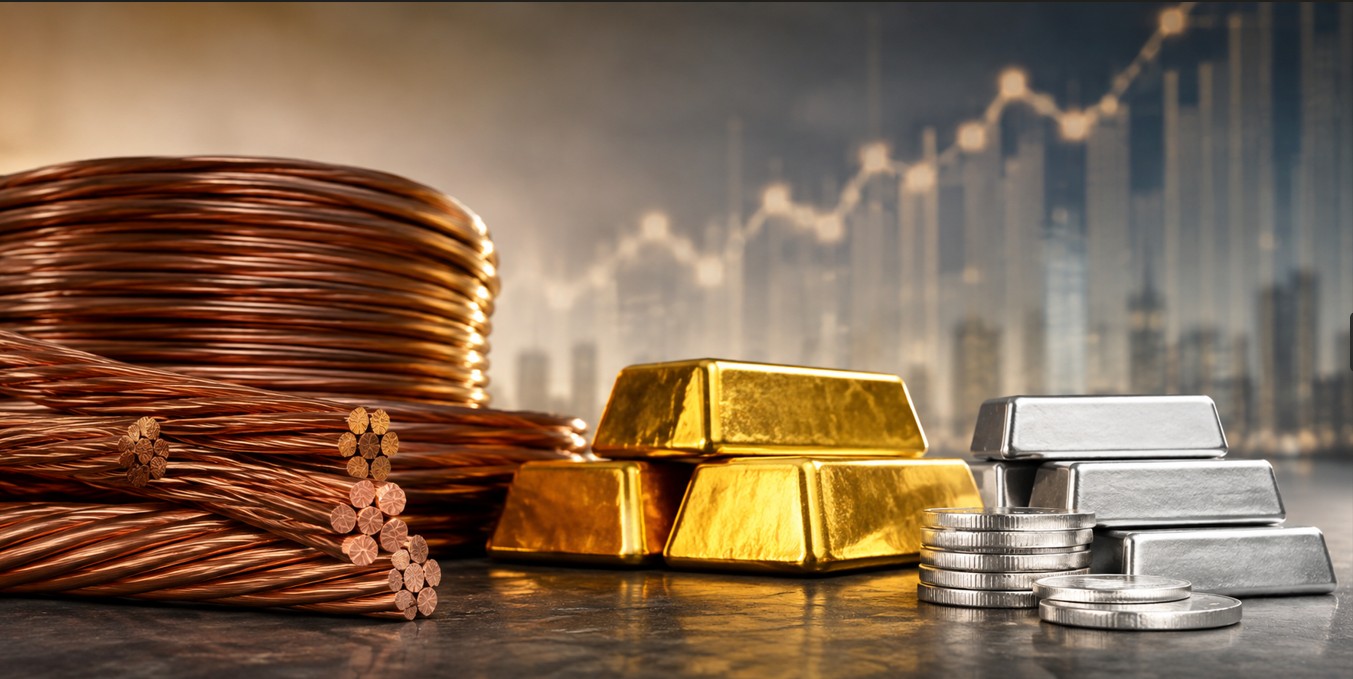
The problem is that supply cannot respond at the same speed. Technology projects can be approved, financed, and built relatively quickly, while new mines often take many years to reach production. That gap between fast-growing demand and slow supply growth is one of the strongest arguments behind the super-cycle thesis.
There is also a monetary and geopolitical side. High global debt, weaker purchasing power, central bank gold buying, and competition for critical minerals are making commodities more important. Precious metals are no longer just raw materials. They are increasingly strategic assets linked to energy security, technology, and national power.
AI is no longer just about software and chips. The next phase requires data centers, electricity, power grids, cooling systems, fiber networks, and new generation capacity. All of this increases demand for physical materials.
AI has not fully moved into robotics yet. If humanoid robots and other physical AI systems scale over the next few years, demand for metals such as copper and silver could rise further.
Copper may be the clearest example of why this commodity cycle looks different. Demand comes from several directions at once: data centers, power grids, nuclear plants, solar systems, chips, and broader infrastructure investment. In the past, copper was often viewed mainly through Chinese growth and construction. Now, the demand story is much wider.
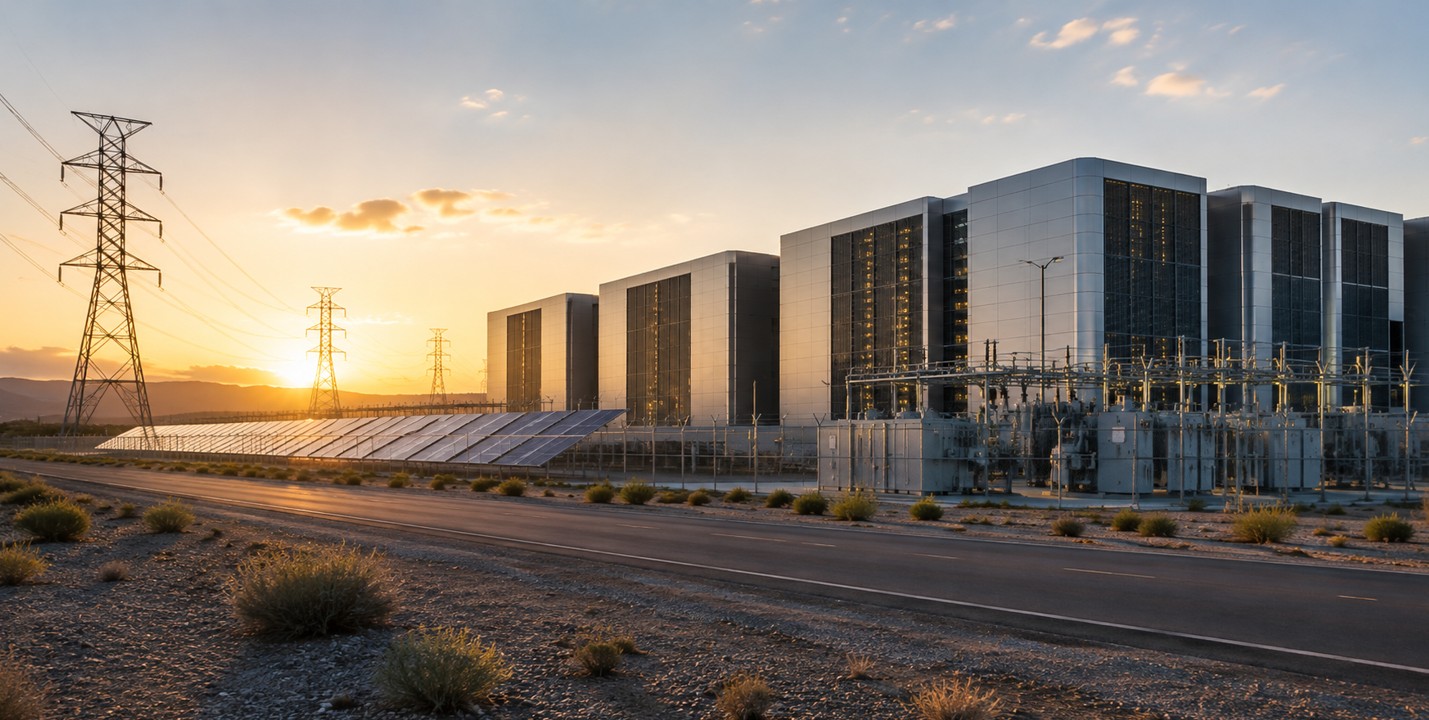
The real issue is supply. A new data center can be built in a couple of years, but a major copper mine can take around a decade to reach production. Even when prices rise, new supply cannot appear quickly enough to match demand. That timing gap is one of the strongest reasons copper could remain at the center of the 2026–2027 super-cycle.
Another layer could come from physical AI. If robotics, automation, and infrastructure expand further, copper demand could rise even more, potentially faster than supply can keep up.
Gold is often reduced to one question: will the Fed cut or raise interest rates? But the longer-term story goes beyond the next policy decision.
Global debt has climbed to around $320 trillion. With governments carrying such heavy debt loads, keeping real interest rates high for long periods becomes difficult. Over time, policymakers may need to keep liquidity conditions relatively loose, especially as economies also face aging populations and large investment needs.
This changes the way gold can be viewed. It may not simply be that gold is becoming more expensive. The purchasing power of currencies may be declining against an asset with limited supply. In that environment, gold can remain attractive as a hedge against monetary expansion, debt pressure, and weakening confidence in fiat currencies.
Silver has one foot in the monetary world and another in technology. Inflation and currency concerns can support demand, while expanding industrial applications create a second source of growth.
It is used in chips, solar systems, data centers, power infrastructure, and other advanced technologies. That gives silver a strong industrial demand story while supply remains tight.
This combination makes silver particularly interesting in a commodity super-cycle. Gold mainly reflects the monetary side of the story, while silver can benefit from both monetary demand and the physical buildout of AI, energy, and new infrastructure.
Critical minerals are no longer viewed only as commodities. They are becoming part of national security, technology policy, and supply-chain strategy.
Rare earths, magnets, copper, and other strategic materials are increasingly tied to AI, defense, energy systems, and advanced manufacturing. As the U.S., China, and other major economies compete for secure supplies, access to these resources could become just as important as their market price.
The commodity story is also tied to the technology race between the U.S. and China. Both sides are investing heavily in AI, advanced manufacturing, energy infrastructure, robotics, and strategic supply chains. That competition creates demand for the same metals and minerals already facing tight supply.
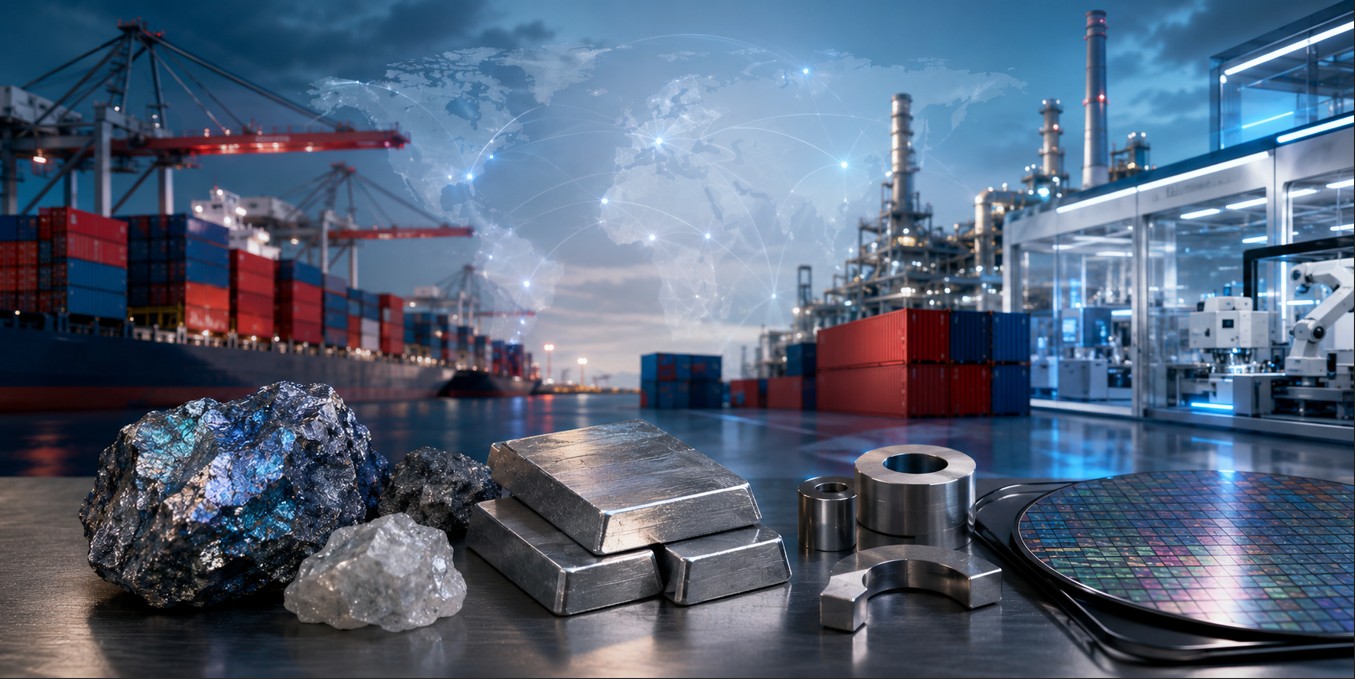
This means commodity demand is not coming only from normal economic growth. Governments are also willing to support investment for strategic reasons. As AI infrastructure expands and both countries compete for technological leadership, demand for copper, rare earths, silver, and other critical materials could remain strong even during periods of slower global growth.
The commodity super-cycle could extend through 2027 if the structural forces behind it remain in place. The biggest factor is the mismatch between demand and supply. AI infrastructure, power generation, data centers, and strategic manufacturing can expand quickly, while new mines and processing capacity take years to develop.
Several trends could keep supporting the cycle:
Under a strong continuation of these trends,significantly higher commodity prices through 2027 remain possible. More aggressive scenarios could even bring three-digit silver prices or five-digit gold prices into discussion, although such levels would require the current monetary and supply-demand trends to remain unusually strong.
The commodity story is no longer about one metal or one economic cycle. AI infrastructure, energy demand, tight mining supply, high global debt, and the race for strategic resources are all pointing in the same direction.
Copper sits at the center of the physical buildout. Gold reflects the monetary side of the cycle, while silver benefits from both. If these forces remain in place through 2027, commodities could still have room for another major leg higher rather than simply repeating a short-term rally.
Sign up in seconds for free, access your platform, and start trading with ease.

 How Index Futures Influence the Stock Market Open
How do index futures influence the stock market open? Learn what pre-market moves reveal about opening prices, market sentiment, and trader psychology.
Detail What Is the Nasdaq?
What is the Nasdaq? Learn how the Nasdaq Composite Index works, which stocks it includes, and what influences its performance.
Detail What Is the FTSE 100?
The FTSE 100 tracks the largest companies listed on the London Stock Exchange. Explore how it is calculated and what influences its performance.
DetailThen Join Our Telegram Channel and Subscribe Our Trading Signals Newsletter for Free!
Join Us On Telegram!


