


Global markets remained cautious as investors weighed renewed Middle East tensions against expectations for the Federal Reserve's June meeting minutes.
Higher oil prices and shipping disruptions in the Strait of Hormuz revived inflation concerns, supporting the U.S. dollar and limiting gains across major currencies. Gold and silver steadied on safe-haven demand, while the euro, pound, and yen traded in tight ranges as markets awaited fresh policy signals.
| Time | Cur. | Event | Forecast | Previous |
| 02:00 | NZD | RBNZ Interest Rate Decision | 2.50% | 2.25% |
| 14:30 | USD | Crude Oil Inventories | -1.900M | -3.775M |
| 17:00 | USD | 10-Year Note Auction | 4.538% | |
| 18:00 | USD | FOMC Meeting Minutes |
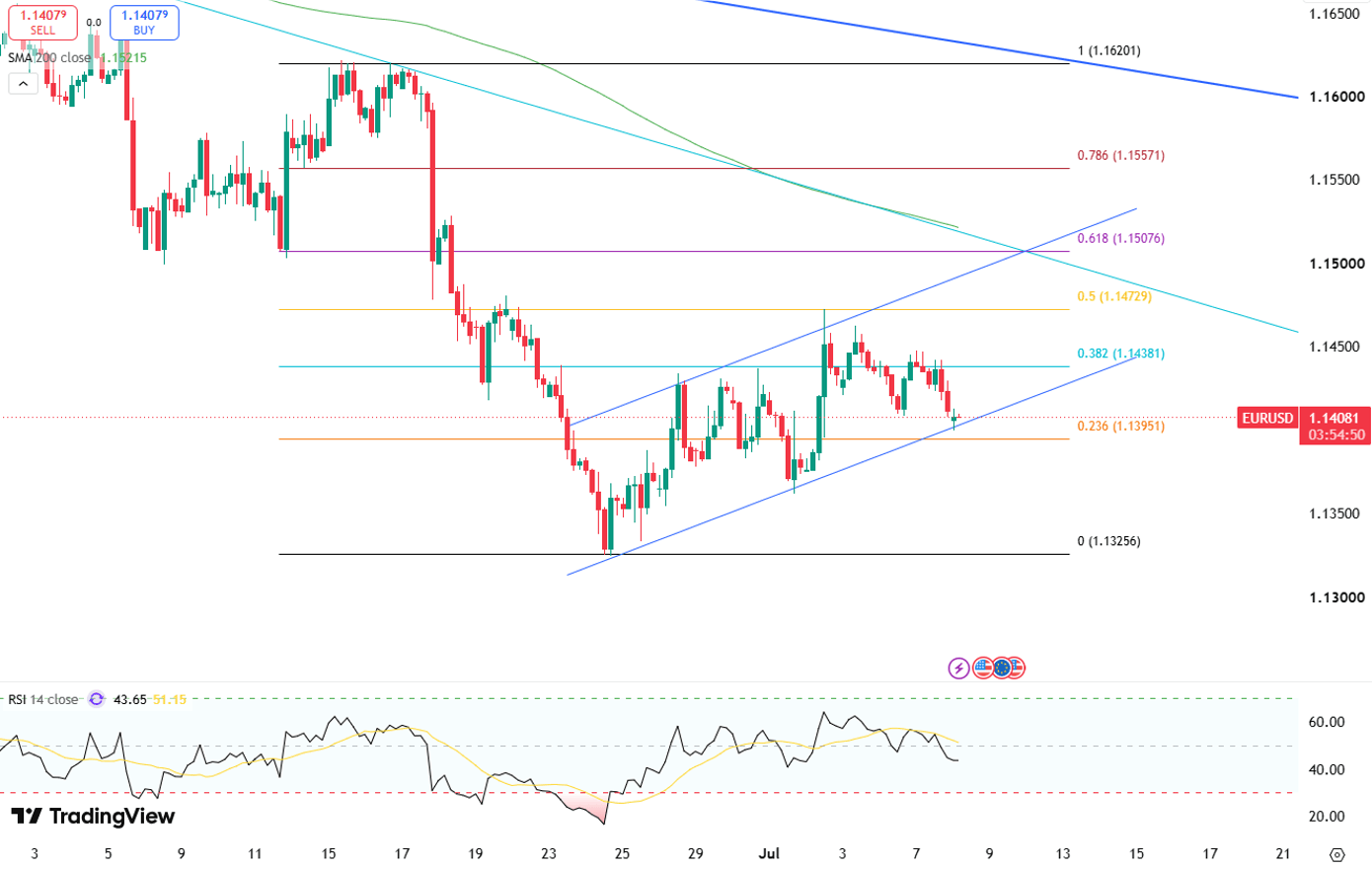
The euro consolidated near $1.14 as rising oil prices, fueled by Strait of Hormuz conflict risk, stoked persistent inflation worries. While hawkish ECB comments regarding ongoing Middle East disruptions heightened near-term rate expectations, soft regional data and Christine Lagarde's tempered stance limited further upside. Germany approved an expanded €555.4 billion 2027 budget requiring additional sovereign borrowing.
The first resistance is positioned at 1.1440 while the support starts from 1.1370.
| R1: 1.1440 | S1: 1.1370 |
| R2: 1.1480 | S2: 1.1340 |
| R3: 1.1510 | S3: 1.1300 |
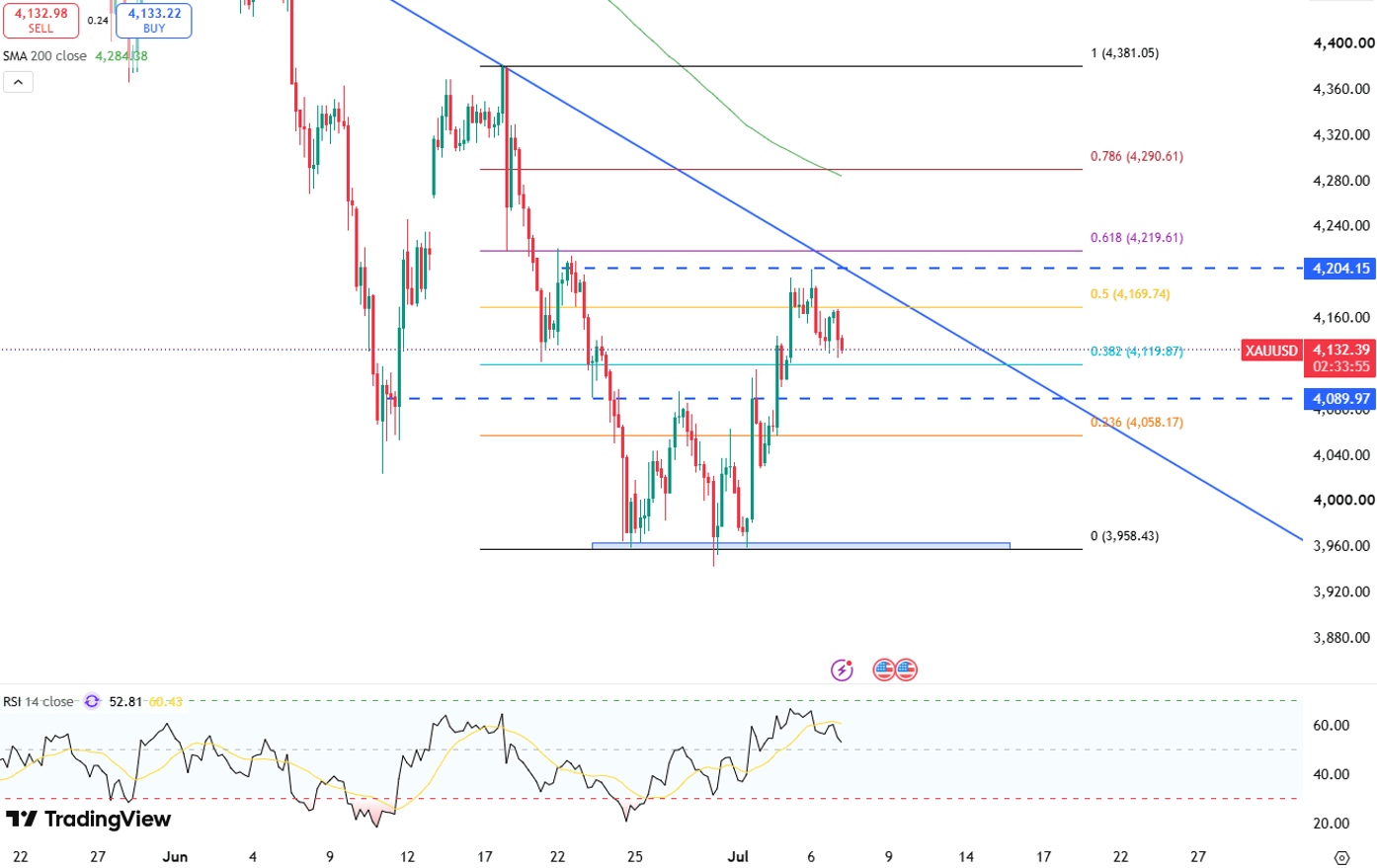
Gold stabilized near $4,100 an ounce on Wednesday, recovering prior losses as fresh U.S. airstrikes and maritime shipping disruptions threatened the interim truce. Geopolitical escalations and Washington's decision to revoke Iran's oil export waiver drove energy prices higher, compounding inflation concerns. This safe-haven demand balanced earlier momentum sparked by soft employment data ahead of the Federal Reserve's June minutes.
First resistance is seen at $4150, with initial support near $4060.
| R1: 4150 | S1: 4060 |
| R2: 4200 | S2: 4000 |
| R3: 4300 | S3: 3950 |
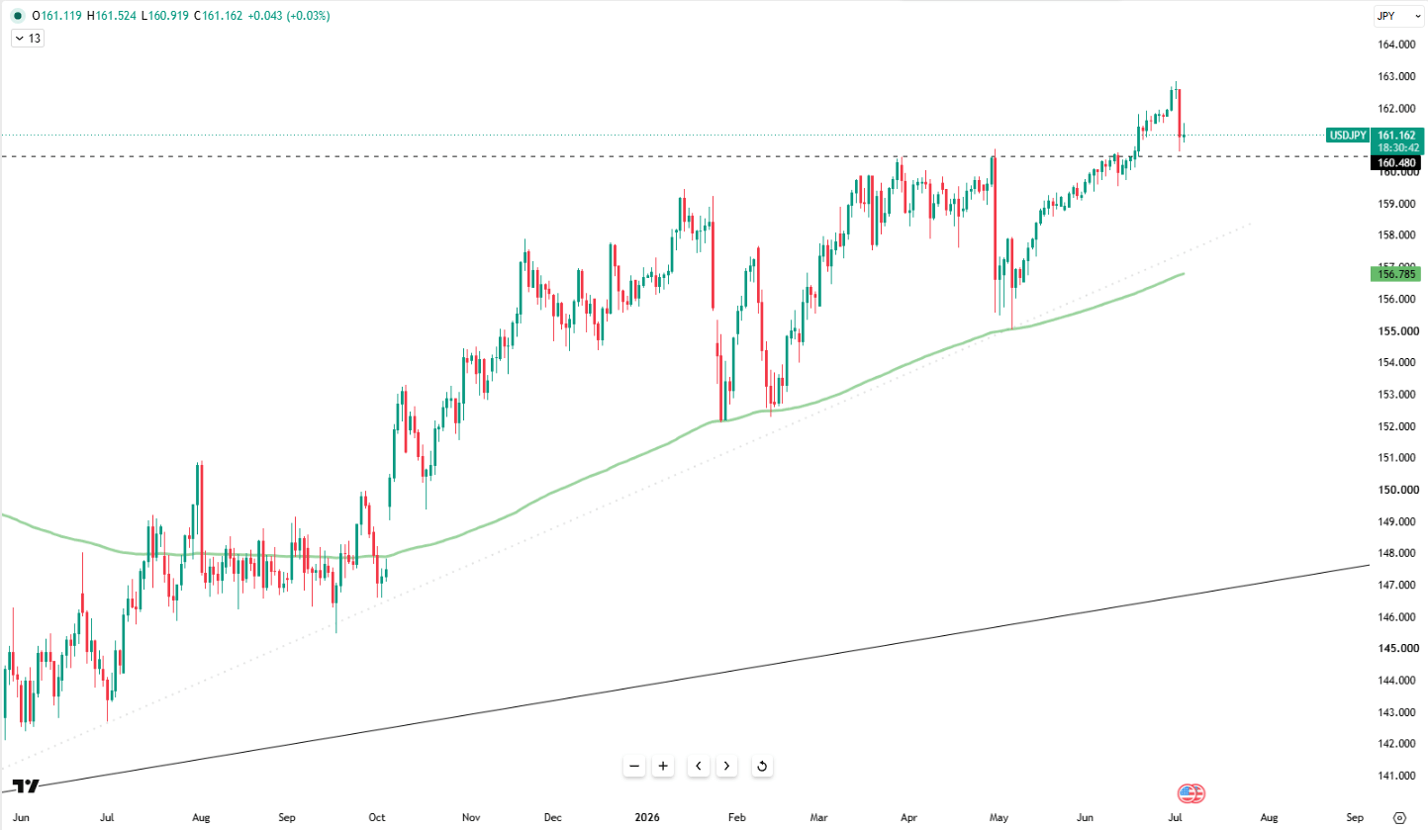
USDJPY consolidated near 162.40, lingering just below its multi-decade high as wide interest rate differentials supported the dollar. While Finance Minister Katayama warned of potential intervention, prompting minor short-covering, geopolitical shipping friction in the Strait of Hormuz reinforced safe-haven demand for the dollar. Traders are closely watching the 162.50 threshold ahead of the Federal Reserve's minutes.
Initial resistance stands at 162.80, while the first support is at 161.70.
| R1: 162.80 | S1: 161.70 |
| R2: 163.80 | S2: 160.90 |
| R3: 164.50 | S3: 160.00 |
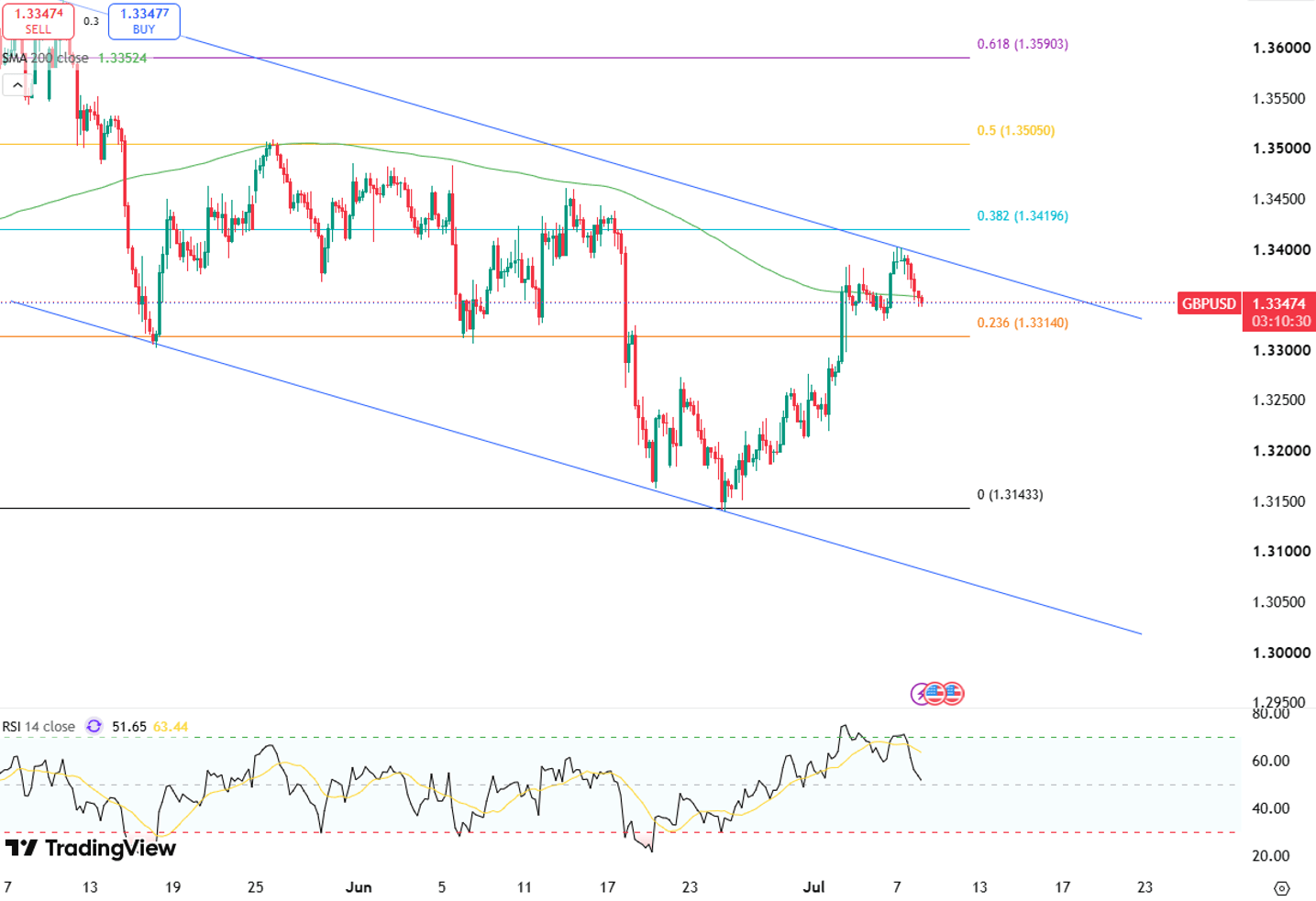
GBPUSD eased toward 1.3347 as geopolitical frictions and climbing U.S. yields tempered recent upside momentum. Escalating shipping risks in the Strait of Hormuz drove safe-haven dollar demand, even as BOE Governor Bailey ruled out near-term rate cuts with inflation approaching 2%. Though soft payrolls previously limited the dollar, a rebound in U.S. 10-year yields near 4.56% constrained the pound.
From a technical view, resistance stands near 1.3400, with support around 1.3310.
| R1: 1.3400 | S1: 1.3330 |
| R2: 1.3450 | S2: 1.3260 |
| R3: 1.3510 | S3: 1.3150 |
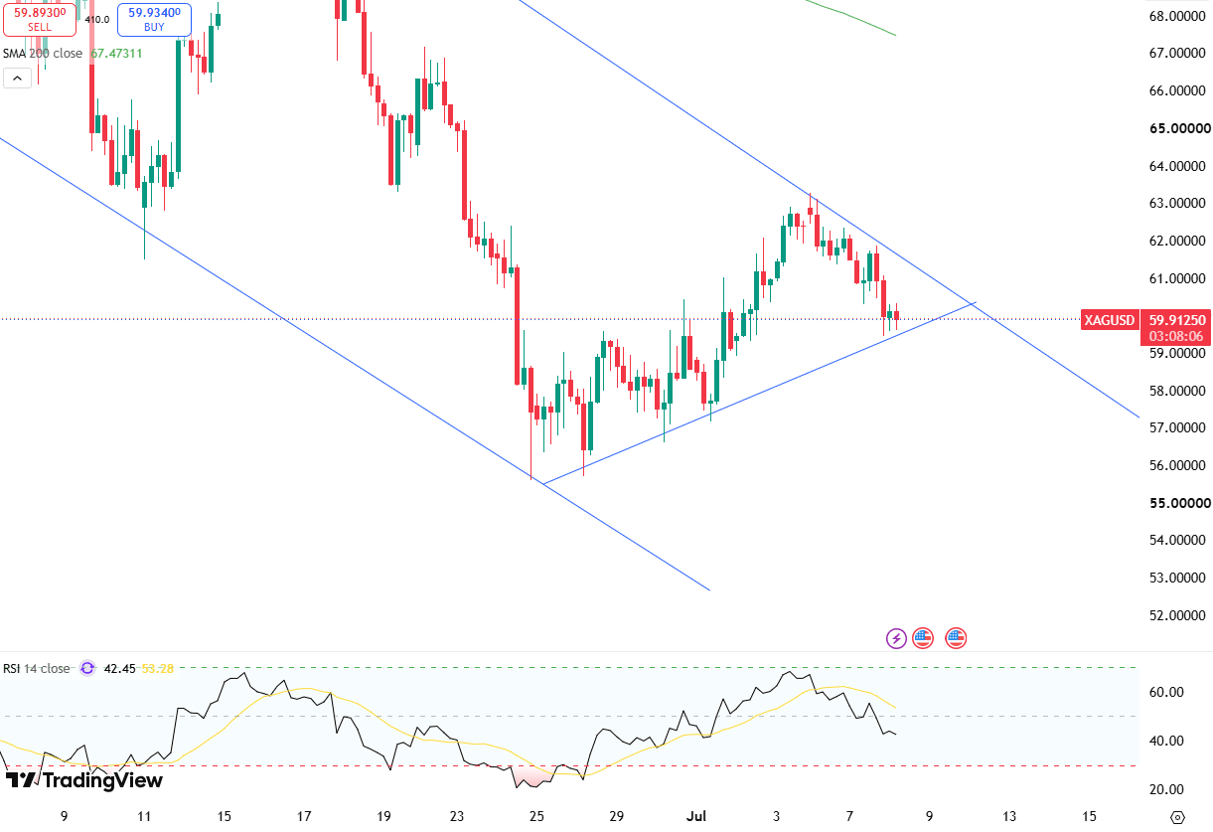
Silver consolidated below $60 an ounce on Wednesday, reversing a 3% decline as renewed U.S. airstrikes and maritime shipping disruptions jeopardized the regional truce. Escalating tensions and revoked Iranian oil export waivers drove energy prices higher, stirring inflation anxieties. This safe-haven demand balanced previous tailwinds from weak employment data ahead of the Federal Reserve's June minutes.
From a technical view, resistance stands near $61.70, while support is located around $58.50.
| R1: 61.70 | S1: 58.50 |
| R2: 63.00 | S2: 56.20 |
| R3: 65.50 | S3: 55.00 |
Rising oil prices renewed inflation concerns as uncertainty surrounding the US-Iran conflict and continued disruptions in the Strait of Hormuz reinforced expectations for further monetary tightening.
Elevated oil prices and rising Treasury yields weighed on precious metals as persistent geopolitical tensions reinforced inflation concerns and expectations for further Federal Reserve tightening.
 European Daylight Saving Time (October 25, 2026)
We would like to inform you of upcoming adjustments to the trading schedule for selected instruments due to the end of Daylight Saving Time (DST) in Europe on October 25, 2026.
DetailThen Join Our Telegram Channel and Subscribe Our Trading Signals Newsletter for Free!
Join Us On Telegram!


